
Mohammed Juma Ali Al Kaabi
University of Sharjah
Abstract
The study sought to identify the impact of urbanization on the demographic structure in UAE society from the point of view of the citizens of the Emirate of Sharjah. Therefore, the research followed the descriptive analytical approach by preparing a questionnaire consisting of 23 items distributed over six axes: the level of urbanization, influencing factors, qualitative structure, age structure, educational structure, and marital structure. The questionnaire was applied to a random sample of 89 Emirati male and female citizens from the residents of the Emirate of Sharjah. The results of the study revealed that the level of urbanization in the Emirate of Sharjah had an arithmetic average of (4.07) and a percentage of (81.4%). The impact of the factors contributing to the urbanization of the Emirate of Sharjah reached an average of (3.9) and a percentage of (78%). The study found that urbanization affects the qualitative structure of the population of Sharjah with an arithmetic average of (3.6) and a percentage of (72%). It also affects the age structure of the population of Sharjah with an average of (3.3) and a percentage of (66%), and the marital structure of the population of Sharjah with an average of (3.6) and a percentage of (72%), and the educational structure For Sharjah residents, the average was (3.5) and the percentage was (70%). The results of the study showed that there were no statistically significant differences in the sample’s answers on the impact of urbanization on Sharjah residents according to gender, social status, residence, work, and annual income, except for age, which tended towards older age groups.
Keywords: Urbanization, demographics, UAE society.
Introduction
Urbanization represents one of the most critical transformations shaping contemporary societies, particularly in developing countries where rapid urban growth often exceeds natural demographic and economic rates, generating social and economic pressures (Issawa & Younsi, 2020). This process leads to imbalances in population distribution, resource allocation, and service provision, creating challenges that extend beyond physical expansion to cultural and social dimensions. The Emirate of Sharjah exemplifies these dynamics: in 2022 its population reached approximately 1.8 million, accounting for 18% of the UAE’s total. Of these, only 208,000 were Emirati citizens (103,000 males and 105,000 females), while 1.6 million were non-citizens (1.1 million males and 500,000 females), reflecting significant foreign immigration and a resulting demographic imbalance (Official Portal of the UAE Government, 2024).
Against this background, the current study seeks to explore the impact of urbanization on the demographic composition of Sharjah society from the perspective of its citizens. Specifically, it examines how urbanization influences gender, age, marital status, and educational structures, while also assessing whether perceptions differ according to demographic variables such as gender, age, marital status, residence, occupation, and annual income. To achieve this, the research adopted a descriptive-analytical methodology, applying a questionnaire of 23 items distributed across six axes: level of urbanization, influencing factors, gender composition, age composition, marital composition, and educational composition. The tool was administered to a random sample of 89 Emirati men and women, providing a representative basis for statistical analysis.
The importance of this study lies in addressing urbanization not only as a spatial expansion but also as a transformative social phenomenon with implications for identity, values, and lifestyles. While existing literature has highlighted urbanization’s economic and ecological dimensions, fewer studies in the Gulf region have examined its impact on demographic structures from the viewpoint of citizens themselves. This research therefore contributes by presenting empirical evidence on Sharjah, revealing both the developmental opportunities and the challenges posed by urban expansion. Ultimately, it aims to enhance understanding of how urbanization shapes the demographic and social fabric of Emirati society and to provide insights that support balanced and sustainable urban planning.
Theory
Research Limitations
Temporal Boundaries: Academic year 2024-2025.
Spatial Boundaries: United Arab Emirates – Emirate of Sharjah.
Subjective Boundaries: Urbanization – Demographic Composition.
Human Boundaries: Emirati citizens in the Emirate of Sharjah.
Research Terms and Concepts
Urbanization: It is the process of urban expansion, taking on complex intertwined economic and social dimensions. Based on this process, the spatial distribution of the population changes from rural to urban areas. It also includes changes in prevailing professions, lifestyle, culture, and even behavior. Furthermore, it leads to changes in the demographic and social structures of urban and rural areas, resulting in an increase in the rate of urban settlements, their area expansion, and population growth compared to rural areas” (Fayyad, 2022).
Urbanization – Operationally: It is the movement of rural and suburban residents in the UAE to cities, and this is reflected in their patterns of livelihood and life professionally, economically, and culturally.
Demographic Composition: It is the distribution of members of a society across age and gender categories – age and gender composition – which includes the biological characteristics – gender and age – of the population” (Shambaa, 2013).
Gender Composition: The ratio of males to females in the study area.
Age Composition: The ratios of age groups in the study area.
Economic Composition: Employment and unemployment rates.
Social Composition: Includes marital and educational composition” (Mohsen and Jalil, 2023).
Demographic Composition – Operationally: Studying the dimensions of Sharjah society demographically in terms of gender, age, economic, educational, and marital status from the perspective of citizens.
Research-Related Concepts
Urbanization: is the movement from rural to urban areas, increasing the urban population and spreading urban behaviors and jobs. (Hadaji, 2023). Urbanization is a gradual process with geographical, demographic, ecological, and sociological dimensions beyond mere relocation to urban areas. (Moulay, 2021).
Demographic Composition: relates to population growth (increase/decrease) and its economic/social effects, including below replacement levels or population explosions due to birth/death rate imbalances. (Al-Najm, 2019).
Theory Explaining the Research Problem: Selection of Two Theories
Urbanization theory views the shift from rural to urban life as a cultural process shaped by social, economic, and environmental factors, where labor division, technology, and cultural values influence lifestyles and demographic structures (Al-Najm, 2019).
Closely related, the ecological approach developed by Park, McKenzie, and Burgess applies ecological principles to cities, portraying them as natural habitats governed by bureaucratic and commercial systems that rationally shape human behavior (Hadaji, 2023). Together, these perspectives show that urbanization not only reorganizes population size and structure but also directs thought and conduct, producing balanced growth when managed effectively or social strain when urban capacity is exceeded.
Previous Studies
Many studies have been conducted on the impact of urbanization on the demographic composition, as follows:
Demographic Studies in Iraq – Lamiaa Mohsen and Batool Jaleel (2021) examined Iraq’s population structure through indicators of gender, age, marital status, and education. Their findings revealed regional disparities in male-to-female ratios, with governorates like Anbar exceeding the national average while others such as Maysan fell below. The productive age group (15–63 years) dominated the demographic composition, resulting in higher dependency and aging ratios. Marriage rates were relatively high compared to divorce, while education remained concentrated at the primary level with weak representation in higher education. These indicators portray a youthful population that could serve as an asset for development, yet limited state capacity, uneven gender distribution, and weak human capital turn this opportunity into a challenge.
Urban Growth in Iraq – Hashem Fayadh (2022) extended this demographic perspective by analyzing urban expansion, emphasizing its political and economic roots. Urban growth after 2003 was driven less by balanced planning than by instability, leading to the spread of informal housing, unemployment, and social inequality. Such conditions deepened urban poverty and fueled social unrest, exemplified by the October 2019 protests. Fayadh argued that urbanization must be understood as a multidimensional process: demographic pressures, weak economic performance, and uneven distribution of resources combine to shape urban exclusion. Unlike Mohsen and Jaleel’s focus on population dynamics, this study situates urban growth within broader socio-political transformations.
Urbanization in the Arab World – Wahiba Issaoua and Issa Younsi (2020) highlighted that the region witnessed one of the fastest demographic transitions globally in the late twentieth century, with urban populations rising to nearly two-thirds within two decades. Yet this growth was not matched by economic development, producing a clear gap between urbanization and social progress. Cities became magnets for rural migrants, but inadequate infrastructure led to rising unemployment, weak services, and urban poverty.
Aqil Al-Najm (2019) reinforced this argument, noting that urbanization in the Arab world has continued to climb without stabilization due to high fertility and declining mortality. He emphasized structural imbalances, with capitals attracting most investment while smaller towns and rural areas remained marginalized—an echo of Iraq’s own spatial inequalities.
Local Case Study – Mayada Zaarab (2020) offered a different lens by examining Rafah, Palestine. Here, population growth, declining mortality, and rural migration were central drivers, but political conditions played a decisive role. Forced displacement produced refugee camps that evolved into permanent urban spaces with unique socio-economic dynamics. Weakness in traditional sectors like agriculture and industry further altered the city’s structure. Unlike the broader studies that link urbanization mainly to demographic or economic factors, Rafah illustrates how exceptional circumstances such as conflict and displacement create distinctive urban patterns.
Together, these studies demonstrate both commonalities and divergences: rapid demographic growth, uneven distribution of resources, and weak infrastructure are shared features across Iraq and the wider Arab world, while the uniqueness of cases like Rafah shows how political pressures can redefine urbanization beyond conventional models. What sets the present research apart is its attempt to bridge these perspectives—linking Iraq’s demographic realities with the multi-dimensional dynamics of urban growth, and situating them within the broader regional context where similarities and differences provide critical insights into the challenges of sustainable urban development.
Methods
Research Methodology
The current research adopted the descriptive analytical method to identify the impact of urbanization on the demographic composition in the Emirate of Sharjah.
Research Population
The research population included all citizens in the Emirate of Sharjah.
Research Sample
The research sample is divided into an exploratory sample consisting of 30 male and female citizens, and a random main sample that was drawn using the convenient method and consisted of 89 male and female citizens who fully answered the items of the electronic questionnaire.
Research Instrument
Purpose of the Questionnaire: To measure the impact of urbanization on the demographic composition in the UAE society, from the perspective of the residents of the Emirate of Sharjah.
Preliminary Version of the Questionnaire: The questionnaire was prepared on the impact of urbanization on the demographic composition of Sharjah, in its preliminary form, and consisted of 23 items distributed across the following axes:
- Level of urbanization.
- Factors affecting urbanization.
- Age composition of Sharjah residents.
- Gender composition of Sharjah residents.
- Marital status composition of Sharjah residents.
- Educational composition of Sharjah residents.
The five-point Likert scale was adopted in answering the items.
Questionnaire Validity
The questionnaire was first evaluated through judges’ validity, as it was presented to a group of honorable judges to assess its relevance to the research axes, the clarity of its language, and the appropriateness of its items. The judges agreed on the suitability of the items and axes, and no item was deleted. To ensure internal consistency validity, the questionnaire was then applied to an exploratory sample of 30 citizens from the Emirate of Sharjah, outside the main research sample. The correlation coefficients between the items and the total score ranged from 0.35 to 0.66, reflecting strong cohesion among its components. Accordingly, the questionnaire was found to be valid in measuring what it was designed for.
Questionnaire Reliability
Test-retest reliability
The questionnaire was reapplied to the same exploratory sample after two weeks of the first application. The correlation coefficient between the exploratory sample scores in the first and second times was calculated and reached (0.86), indicating the stability of the questionnaire over time.
Final Version of the Questionnaire
The questionnaire settled on 23 items distributed across 6 axes:
- Level of urbanization (6 items).
- Factors affecting urbanization (4 items).
- Age composition of Sharjah residents (3 items).
- Gender composition of Sharjah residents (3 items).
- Marital status composition of Sharjah residents (3 items).
- Educational composition of Sharjah residents (4 items).
The questionnaire items were answered according to the five-point Likert scale (strongly agree, agree, neutral, disagree, strongly disagree). The lowest score for answering the questionnaire was 23, and the highest score was 115.
Statistical Processing
The following statistical methods were used:
- Arithmetic mean.
- Standard deviation.
- Independent samples t-test.
- One-way analysis of variance (ANOVA).
Analysis
What are the demographic characteristics of the sample individuals?
First: Demographic Characteristics of the Sample
| Gender | Frequencies | Percentage |
|---|---|---|
| Male | 38 | 42.6% |
| Female | 51 | 57.3% |
| Total | 89 | 100% |
Table 1
Table (1) shows that the study sample included 89 individuals, with 38 males (42.6%) and 51 females (57.3%), indicating a slight female majority. This suggests greater female engagement in the questionnaire, possibly reflecting their awareness of urbanization and demographic issues. Despite the imbalance, both genders are represented, supporting the credibility of the findings and enabling fair gender-based comparisons.
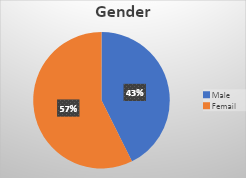
Illustration 1
| Age | Frequencies | Percentage |
|---|---|---|
| 25 years or less | 27 | 30.3% |
| 26-35 years | 40 | 44.9% |
| 36-45 years | 18 | 20.2% |
| 46 years or more | 4 | 4.4% |
| Total | 89 | 100% |
Table 2
Table (2) reveals the age distribution of the study sample. The largest group is 26–35 years with 40 individuals (44.9%), representing the main working and productive age. This is followed by those 25 years or younger at 30.3%, indicating strong participation from students and younger individuals. Participants aged 36–45 years accounted for 20.2%, while only 4.4% were 46 years or older. Overall, the sample is dominated by younger groups, which is consistent with the stronger impact of urbanization on their employment, education, and lifestyles, while older age groups are less represented.

Illustration 2
| Marital Status | Frequencies | Percentage |
|---|---|---|
| Single | 41 | 46% |
| Married | 45 | 50% |
| Divorced | 3 | 4% |
| Widowed | 0 | 0% |
| Total | 89 | 100% |
Table 3
Table (3) reflects that married individuals form 50% (45) of the sample and singles 46% (41), indicating a near balance between the two groups. Divorced participants represent only 4% (3), while widowed are absent. This distribution highlights the dominance of youth and mature age groups, making the findings mainly reflective of single and married individuals most affected by urbanization.

Illustration 3
| Educational Level | Frequencies | Percentage |
|---|---|---|
| Below Secondary | 4 | 4.4% |
| Secondary | 33 | 37.07% |
| University | 47 | 52.8% |
| Higher Studies | 5 | 6% |
| Total | 89 | 100% |
Table 4
Table (4) indicates that most respondents are university-educated (52.8%, 47 individuals), followed by secondary education (37.07%, 33 individuals). Those below secondary represent 4.4%, while higher studies account for 6% (5 individuals). This shows the sample is largely composed of educated groups, particularly university and secondary levels, enhancing the study’s credibility as urbanization is closely linked to education and awareness. However, the limited representation of less educated groups slightly reduces perspective diversity.
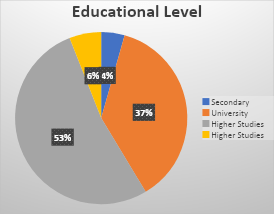
Illustration 4
| Residence | Frequencies | Percentage |
|---|---|---|
| Sharjah City | 36 | 40.4% |
| Central Region | 42 | 47.1% |
| Eastern Coast | 11 | 12.3% |
| Total | 89 | 100% |
Table 5
Table (5) confirms that most participants reside in the Central Region (47.1%, n=42), followed by Sharjah City (40.4%, n=36), while the Eastern Coast recorded the lowest share (12.3%, n=11). This indicates broader regional coverage with a concentration in urban centers, whereas the smaller proportion from the Eastern Coast likely reflects its lower population density.

Illustration 5
| Employment Status | Frequencies | Percentage |
|---|---|---|
| Employee | 46 | 51.6% |
| Not Working | 27 | 30.3% |
| Student | 11 | 12.35% |
| Self-Employed | 5 | 4.4% |
| Total | 89 | 100% |
Table 6
Table (6) presents the sample distribution by employment status. Employees formed the largest group at 51.6% (46), followed by non-working individuals at 30.3% (27), students at 12.35% (11), and the self-employed at 4.4% (5). This distribution highlights diversity across groups, with employees representing the core of economic activity, while the inclusion of non-working individuals and students ensures broader coverage of groups affected by urbanization.
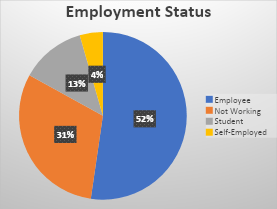
Illustration 6
| Annual Income | Frequencies | Percentage |
|---|---|---|
| Less than 120,000 Dirhams | 37 | 41.57% |
| 120,000 – 180,000 Dirhams | 17 | 17.97% |
| 180,000 – 250,000 Dirhams | 15 | 16.85% |
| 250,000 – 500,000 Dirhams | 16 | 16.85% |
| 500,000 Dirhams and above | 4 | 4.4% |
| Total | 89 | 100% |
Table 7
Table (7) demonstrates that the income distribution shows a predominance of low-income participants, with 41.57% earning under 120,000 Dirhams. Middle-income groups (120,000–500,000) are evenly represented at around 17%, while only 4.4% earn above 500,000, indicating limited high-income presence.
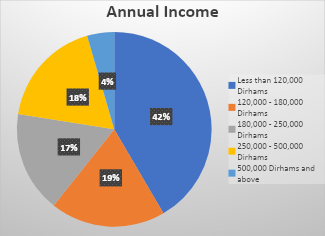
Illustration 7
Questionnaire Analysis Results According to Research Objectives and Questions:
Question One: What is the level of urbanization in Sharjah society?
| Level of Urbanization | Arithmetic Mean | Standard Deviation | Percentage |
|---|---|---|---|
| 1. Sharjah City has become more expansive. | 4.4 | 0.639 | 88% |
| 2. Sharjah Emirate is witnessing population congestion. | 4.4 | 0.675 | 88% |
| 3. The emirate’s services correspond to its population size. | 4.1 | 0.866 | 82% |
| 4. The character of life in Sharjah is changing rapidly. | 4.3 | 0.643 | 86% |
| 5. The customs and traditions of Sharjah society have rapidly deteriorated. | 3.1 | 1.266 | 62% |
| 6. There is pressure on job opportunities in Sharjah. | 3.9 | 0.987 | 78% |
| Urbanization Level Axis | 4.07 | 0.986 | 81.4% |
Table 8
Table (8) reflects a high level of urbanization in Sharjah, with a mean of 4.07 (81.4%). Urban expansion and population density ranked highest at 88%, while public services aligned with this growth at 82%. However, urbanization negatively impacted customs and traditions at 62% and created pressure on employment at 78%. Overall, urbanization shows strong developmental progress alongside notable social and economic challenges.
Question Two: What are the factors affecting urbanization in Sharjah Emirate?
| Factors Affecting Urbanization | Arithmetic Mean | Standard Deviation | Percentage |
|---|---|---|---|
| 7. Sharjah’s cultural openness affects its urbanization. | 3.7 | 1.017 | 74% |
| 8. Sharjah is an attractive city for job opportunities. | 4.2 | 0.746 | 84% |
| 9. Population imbalance in Sharjah significantly affects urbanization. | 3.5 | 1.098 | 70% |
| 10. The diversity of Sharjah’s economy contributes to the growth of urbanization. | 4.03 | 0.73002 | 80.6% |
| Axis of Factors Affecting Urbanization | 3.9 | 0.8743 | 78% |
Table 9
Table (9) indicates that factors influencing urbanization in Sharjah are strong, with a mean of 3.9 (78%). Job opportunities lead at 84%, followed by economic diversity at 80.6% and cultural openness at 74%, while population imbalance is a notable challenge at 70%. These results show that urbanization is driven by economic, cultural, and demographic factors rather than occurring randomly.
Question Three: What is the impact of urbanization on the gender composition of Sharjah’s population?
| Impact of Urbanization on Gender Composition | Arithmetic Mean | Standard Deviation | Percentage |
|---|---|---|---|
| 11. Urbanization causes disparity in the gender composition of society. | 3.9 | 0.874 | 78% |
| 12. Urbanization causes gender inequality in education. | 3.02 | 1.242 | 60.4% |
| 13. Urbanization causes gender inequality in work. | 3.011 | 1.159 | 60.22% |
| Gender Composition | 3.6 | 1.0902 | 72% |
Table 10
The results in table (10) shows that the impact of urbanization on Sharjah’s gender composition is moderate, with a mean of 3.6, SD 1.09, and 72%. Gender disparity is the most pronounced effect at 78%, while inequality in education and job opportunities scored 60.4% and 60.22%, respectively. These results suggest that urbanization partially widens gender gaps, highlighting the need for more inclusive policies to achieve gender equity.
Question Four: What is the impact of urbanization on the age composition of Sharjah’s population?
| Age Composition | Arithmetic Mean | Standard Deviation | Percentage |
|---|---|---|---|
| 14. The positive impact of urbanization concentrates on the youth category. | 3.8 | 0.8602 | 76% |
| 15. The young age group is negatively affected by urbanization. | 3.4 | 1.045 | 68% |
| 16. Sharjah is facing specters of aging due to urbanization. | 2.8 | 1.077 | 56% |
| Age Composition | 3.3 | 1.079 | 66% |
Table 11
According to table (11), the impact of urbanization on Sharjah’s age composition had a mean of 3.3, a standard deviation of 1.079, and an overall effect of 66%. Youth benefited most at 76%, while children were less positively affected at 68%, facing challenges from limited child-focused spaces. Population aging showed a low impact at 56%, indicating a predominantly youthful structure. Overall, urbanization has a moderate to positive effect, highlighting the need for policies supporting children and youth.
Question Five: What is the impact of urbanization on the marital composition of Sharjah’s population?
| Marital Composition | Arithmetic Mean | Standard Deviation | Percentage |
|---|---|---|---|
| 17. Urbanization enhances marriage rates in Sharjah. | 3.7 | 0.9506 | 74% |
| 18. Urbanization is linked to youth’s ability to afford marriage costs. | 3.7 | 1.074 | 74% |
| 19. Urbanization contributes to the growth of divorce among citizens and residents. | 3.56 | 1.043 | 71.2% |
| Marital Composition Axis | 3.6 | 1.023 | 72% |
Table 12
Table (12) shows that the mean effect of urbanization on marital composition was 3.6 (SD = 1.023) with a percentage of 72%, indicating a moderate impact (Table 12). Results show that urbanization supports marriage rates (74%) and improves youth’s ability to meet marriage costs (74%) through better economic and social conditions. Conversely, it is linked to rising divorce rates (71.2%), reflecting pressures of modern life. Thus, urbanization exerts a dual influence—facilitating marriage opportunities while also contributing to marital instability.
Question Six: What is the impact of urbanization on the educational composition of Sharjah’s population?
| Educational Composition | Arithmetic Mean | Standard Deviation | Percentage |
|---|---|---|---|
| 20. Urbanization enhances learning opportunities for Sharjah’s population. | 4.1 | 0.584 | 82% |
| 21. Urbanization negatively affects females’ education in Sharjah. | 2.8 | 1.275 | 56% |
| 22. Urbanization supports adult education in Sharjah. | 4.2 | 0.598 | 84% |
| 23. Urbanization reduces equality between genders in education. | 2.8 | 1.186 | 56% |
| Educational Composition | 3.5 | 1.1748 | 70% |
Table 13
According to table (13), The impact of urbanization on Sharjah’s educational composition was moderate, with a mean of 3.5, SD of 1.1748, and 70%. Positive effects included enhanced learning opportunities (82%) and support for adult education (84%). However, gender-related impacts were lower (56%), indicating persistent gaps. Overall, urbanization improved education, particularly for adults, but gender disparities remain.
Question Seven: What is the significance of differences in the mean responses of the sample individuals on the urbanization and demographic composition questionnaire in Sharjah Emirate according to gender, age, educational level, marital status, area of residence, work, and annual income?
| Gender | Arithmetic Mean | Standard Deviation | t-value | Significance Value |
|---|---|---|---|---|
| Male | 88.23 | 10.0711 | 0.937 | 0.351 |
| Female | 85.86 | 12.966 |
Table 14
Table (14) indicates no significant gender differences in perceptions of urbanization and demographic composition in Sharjah. The t-value (0.937) at p = 0.351 exceeds 0.05, supporting the null hypothesis. This suggests that males and females similarly assess urbanization and its demographic impacts, highlighting its broad, gender-neutral influence.
| Source of Variance | Sum of Squares | Degrees of Freedom | Mean Squares | F-value | Probability | |
|---|---|---|---|---|---|---|
| Age | Between Groups | 2237.721 | 3 | 745.907 | 6.312 | 0.001 |
| Within Groups | 10043.919 | 85 | 118.164 | |||
| Total | 12281.640 | 88 |
Table 15
The results in tablet (15) show that F = 6.312, p = 0.001 (<0.05), indicating statistically significant differences in urbanization questionnaire responses by age. LSD tests reveal differences mainly between under 25 and 26–35, and between 26–35 and 36–45 age groups. This suggests that perceptions of urbanization vary with age, with younger individuals viewing it as growth opportunities, while older groups focus on potential social impacts, highlighting the need to consider age in development policies.
| Source of Variance | Sum of Squares | Degrees of Freedom | Mean Squares | F-value | Probability | |
|---|---|---|---|---|---|---|
| Marital Status | Between Groups | 51.785 | 2 | 25.892 | 0.182 | 0.834 |
| Within Groups | 12229.856 | 86 | 142.208 | |||
| Total | 12281.640 | 88 |
Table 16
Table (16) shows no significant differences in mean responses on urbanization by marital status (F = 0.182, p = 0.834 > 0.05), supporting the null hypothesis. This suggests that both married and unmarried individuals perceive urbanization in Sharjah similarly, indicating its effects are independent of social status and more related to age, economic, and cultural factors.
| Source of Variance | Sum of Squares | Degrees of Freedom | Mean Squares | F-value | Probability | |
|---|---|---|---|---|---|---|
| Area of Residence | Between Groups | 1.951 | 2 | 0.975 | 0.007 | 0.993 |
| Within Groups | 12279.690 | 86 | 142.787 | |||
| Total | 12281.640 | 88 |
Table 17
Table (17) indicates no significant differences in perceptions of urbanization by area of residence in Sharjah (F = 0.007, p = 0.993), supporting the null hypothesis. This suggests that urbanization’s effects—population growth, lifestyle changes, and urban expansion—are perceived similarly across all areas, reflecting equitable distribution of services and opportunities throughout the emirate.
| Source of Variance | Sum of Squares | Degrees of Freedom | Mean Squares | F-value | Probability | |
|---|---|---|---|---|---|---|
| Work | Between Groups | 1466.030 | 3 | 488.677 | 3.841 | 0.012 |
| Within Groups | 10815.610 | 85 | 127.242 | |||
| Total | 12281.640 | 88 |
Table 18
Table (18) confirms that the significant differences in perceptions of urbanization in Sharjah by field of work (F = 3.841, p = 0.012 < 0.05), indicating that work type affects how individuals experience urban growth. Government employees may emphasize service and regulation, while private or freelance workers focus on competition and job opportunities, reflecting that urbanization’s impact varies across occupational fields.
| Source of Variance | Sum of Squares | Degrees of Freedom | Mean Squares | F-value | Probability | |
|---|---|---|---|---|---|---|
| Annual Income | Between Groups | 437.098 | 4 | 109.274 | 0.775 | 0.545 |
| Within Groups | 11844.543 | 84 | 141.006 | |||
| Total | 12281.640 | 88 |
Table 19
Table (19) reveals that differences in mean responses on urbanization and demographics in Sharjah by annual income are not statistically significant (F = 0.775, p = 0.545 > 0.05), supporting the null hypothesis. This indicates that urbanization is perceived similarly across income levels, affecting all residents regardless of economic status.
Conclusion
The level of urbanization in Sharjah Emirate reached an arithmetic mean of (4.07) and a percentage of (81.4%), reflecting a high level of urbanization in the emirate. This increase expresses the clarity of urbanization manifestations in various urban, social, and economic aspects, such as urban expansion, increasing population density, and improved services commensurate with population growth. It also indicates that society is witnessing an accelerated transformation in lifestyles, which enhances Sharjah’s status as an advanced urban city. However, this development may be accompanied by some challenges that require balanced planning to preserve cultural identity and ensure sustainability.
The impact of factors contributing to the urbanization of Sharjah Emirate reached a mean of (3.9) and a percentage of (78%), reflecting the strength of these factors in driving the urbanization process. This is due to a set of key determinants such as the emirate’s attractiveness for job opportunities, its cultural openness, in addition to its economic diversity which enhances the attraction of population and various activities. Also, some challenges like population imbalance remain present, but they did not reduce the impact of positive factors. Thus, it can be said that Sharjah’s urbanization is based on a solid economic, social, and cultural foundation that contributes to the sustainability of its urban growth.
Urbanization affects the gender composition of Sharjah’s population with an arithmetic mean of (3.6) and a percentage of (72%), highlighting disparities in education and work opportunities. Despite broader development opportunities, noticeable gender gaps persist, underscoring the need for inclusive policies to ensure equitable benefits from urbanization.
Urbanization affects the age composition of Sharjah’s population with a mean of (3.3) and a percentage of (66%), primarily benefiting youth through educational and functional opportunities, while posing lifestyle pressures on younger groups. Population aging is not yet significant but may emerge long-term, highlighting a youthful-dominated age structure with associated challenges.
Urbanization affects the marital composition of Sharjah’s population with a mean of (3.6) and a percentage of (72%), supporting higher marriage rates through job opportunities and improved economic conditions. However, it also contributes to rising divorce rates due to social and economic pressures, indicating dual effects on family stability.
Urbanization affects the educational composition of Sharjah’s population with a mean of (3.5) and a percentage of (70%), enhancing learning opportunities and adult education. However, gender gaps persist, indicating the need for more inclusive policies to ensure equal educational opportunities for all.
There are no statistically significant differences in the sample’s responses regarding the impact of urbanization on Sharjah’s population according to gender, marital status, residence, work, and annual income, except for age where it tended towards older age groups. The impact of urbanization on Sharjah’s population was generally perceived similarly across gender, marital status, residence, work, and income, with no significant differences. However, age emerged as a factor, as older groups were more sensitive to urban changes and their effects on values and customs, while youth tended to accept them as part of daily life.
Recommendations
- Work on awareness programs for the residents of Sharjah regarding the advantages and investments of diversity in Sharjah society to raise the rate of urbanization within it.
- Enhance media and tourism campaigns to highlight the advantages of urbanization in Sharjah.
- Study the aspects of urbanization in Sharjah that negatively affect its residents and prepare strategic plans to mitigate them.
- Involve the residents of Sharjah in evaluating the level of urbanization and proposing solutions to overcome its obstacles.
Acknowledgement
Special appreciation is due to Dr. Noura Al Karbi for her expert supervision and oversight of this study. Special thanks are due to Ms. Yara Kaddoura for her valuable contribution in translating and formatting this study.
References
Al-Najm, A. (2019). Population and urbanization in the Arab world – A geographical study. Journal of the College of Basic Education for Educational and Human Sciences, 45, 285–309.
Fayyad, H. (2022). The growth of urban population in Iraq and its social and economic effects. Omran Journal, 41(11), 63–99.
Hadaji, A. (2023). Urbanization and its impact on changing social relations (Doctoral dissertation). Ahmed Draia University – Adrar, Algeria.
Issawa, W., & Younsi, I. (2020). The reality of urban growth in the Arab world. Dafater Almakhbar Journal, 2(15), 11–37.
Mohsen, L., & Jalil, B. (2023). The reality of the demographic composition in Iraq for the year 2021. Al-Mustansiriya Journal of Humanities, Special Issue(2), 747–763.
Moulay, A. (2021). The phenomenon of urbanization in the Ksar and its impact on the form of social relations (Doctoral dissertation). Mohamed Kheider University of Biskra, Algeria.
Shambaa, J. (2013). The impact of demographic composition on unemployment in Algeria (Unpublished master’s thesis). Kasdi Merbah University, Algeria.
The Official Portal of the UAE Government. (2024, September 25). Emirate of Sharjah.
Zaarab, M. (2020). Urbanization between reality and the residents’ vision in the city of Rafah. Journal of the Center for Geographical and Cartographic Research, Faculty of Arts – Menoufia University, 29, 158–217.
 INSpire