This study aims to explore the demographic characteristics of female leaders in Saudi Arabia, identify the cultural and social challenges they face, and propose policies and practices that can contribute to enhancing the role of women in leadership positions. This study coincides with the aspirations of the Kingdom’s Vision 2030, which seeks to empower women and increase their effective participation in various sectors. The study adopted a quantitative analytical approach using questionnaires to collect data from a sample of female leaders. The analysis focused on understanding the reality of women in leadership positions and the challenges they encounter. The results showed that the majority of participants were young, educated women with high levels of education, reflecting the role of education as a fundamental factor in supporting women’s participation in the labor market. However, women face diverse challenges, including discrimination in the workplace and traditional social expectations that limit their opportunities for leadership advancement. The study concluded with the necessity of raising societal awareness about the importance of female leaders, developing training and mentoring programs to empower women, and adopting flexible policies that balance work and life responsibilities. The study also recommends strengthening institutional support and developing research on female leaders to provide a more inclusive and equitable environment.
Keywords
Female Leaders, Vision 2030, Cultural and Social Challenges, Discrimination, Empowerment, Training and Mentoring, Women’s Support
Introduction
The Kingdom of Saudi Arabia has undergone significant social and economic transformation over the past decade through reforms under Vision 2030. This vision provides a roadmap for sustainable development, emphasizing women’s empowerment in all fields, particularly in leadership positions (Al-Rasheed, 2019; Saudi Vision 2030, 2020). Globally, women’s empowerment drives economic and social development, as increased female workforce participation and leadership enhance national economies and foster innovation (Al-Bahrani, 2021). Saudi Arabia aims to align with international standards by achieving gender equality and fair representation of women in decision-making roles.
Riyadh, as a major economic and political center, hosts many female leaders who play a pivotal role in driving development (Al-Maliki & Chandrasapaba, 2021). Empowering female leaders is a central goal of Vision 2030, aimed not only at gender equality but also at enhancing economic and social performance (Vision 2030 Report, 2022). This research analyzes the role of female leaders in Riyadh post-reforms, assesses the challenges they face, and evaluates their achievements (Al-Zahrani, 2023).
Despite progress in women’s participation and leadership, social, cultural, and institutional barriers continue to hinder their full potential in the labor market (Al-Rasheed & Al-Shehri, 2020). Therefore, this study examines the demographics and challenges of Saudi female leaders, identifies potential policy improvements, and explores their contributions to Riyadh’s social and economic development following Vision 2030.
This study holds significant academic value by expanding understanding of Saudi Arabia’s post-Vision 2030 socio-political shifts, particularly in women’s empowerment and social development. Socially, it sheds light on evolving roles of Saudi women within family and society. Economically, it evaluates their impact on labor market outcomes and Vision 2030’s goals, while politically, it highlights the role of government policies in promoting gender equality. The study ultimately offers future-oriented recommendations to enhance women’s leadership and address remaining obstacles. This study aims to address the following research questions:
What are the demographic characteristics of the study sample?
What are the cultural and social challenges facing female leaders?
How can policies and practices be improved to enhance women’s leadership roles in the Kingdom?
What efforts have female leaders undertaken to support social and economic development in Riyadh?
To what extent has women’s representation in leadership positions improved in recent years?
Theory
Research Limitations
Methodological Limitations: Reliance on questionnaires for data collection, which may affect the comprehensiveness of the results due to the limited sample size.
Geographical Limitations: Riyadh-centric research limits generalizability to other Saudi cities with different social and political contexts.
Temporal Limitations: This research’s timeframe, focused on Vision 2030’s initial impact, may not capture long-term reform effects.
Cultural and Social Limitations: Saudi social values may hinder honest responses about female leaders’ challenges due to participant hesitancy.
Research Terms and Concepts
Women’s Empowerment: Means enhancing their abilities and opportunities for decision-making and leadership, with equal access to resources.
Female Leadership: Women’s ability to hold leadership roles in institutions, contributing to decision-making and strategies for economic and social development.
Saudi Vision 2030: A strategic plan to diversify Saudi Arabia’s economy, achieve sustainability, and empower women in leadership.
Social Development: Positive changes improving life quality through social justice, gender equality, and increased community and economic involvement.
Economic Reforms: Economic reforms under Vision 2030 aim to improve Saudi’s economy and increase women’s labor market participation through legal and policy changes.
Gender Equality: Equal rights, responsibilities, and opportunities for all genders in accessing resources and participating in decision-making
Cultural and Social Challenges: Obstacles facing Saudi women as a result of social values and beliefs that may limit their opportunities for empowerment and leadership.
Economic Participation: Women’s involvement in the economy through employment in governmental or private sectors, significantly contributing to national economic improvement.
Sustainable Development: Balances economic, social, and environmental needs, ensuring future generations’ opportunities. Women’s empowerment is crucial for achieving these goals.
Government Policies: The measures and programs launched by the state to support women’s empowerment, enhance their leadership role, and facilitate their access to senior positions.
Research-Related Concepts
Saudi Women in Social Development 2030: This concept refers to the increasing role of Saudi women in contributing to the achievement of social development, in line with the Kingdom’s Vision 2030. (Al-Zahrani, M., & Khan, A., 2023).
Vision 2030: A strategic plan established by the Kingdom of Saudi Arabia with the aim to diversify the economy, improve quality of life, promote gender equality, empower women in leadership, and foster a sustainable, prosperous society. (Al-Maliki, S., & Chandnisa, A., 2021).
Theory Explaining the Research Problem: Selection of Two Theories
Modernization Theory: Modernization Theory explains how economic and social development influences societies, particularly in relation to shifting social roles. This theory emphasizes that economic transformations lead to changes in social structures, including the empowerment of women and the enhancement of their role in economic and political life. Within the context of Saudi Arabia’s Vision 2030, this perspective highlights how reforms have propelled women into leadership positions, reflecting a broader shift in societal values and culture. The theory illustrates how the economic reforms introduced under Vision 2030 have stimulated social change, including the rise of women leaders, and it explains the relationship between economic development and women’s empowerment as an integral part of social development (Al-Masoudi, 2020). Moreover, the expansion of higher education and training programs has directly contributed to empowering women and facilitating their entry into the labor market. The younger, educated generation represents a cornerstone in interpreting this transformation, which underscores the accuracy of this theory in explaining the Saudi context after Vision 2030.
Social Role Theory: Social Role Theory explains how individuals’ roles in society are defined by social and cultural expectations. According to this theory, traditional gender expectations shape the roles of men and women within society. However, these roles can shift in response to social and political changes. This theoretical perspective can help in understanding the cultural and social challenges faced by female leaders in Saudi Arabia, as well as the ways in which government reforms under Vision 2030 contribute to reshaping these roles. It interprets the cultural and social barriers that Saudi women may encounter in their pursuit of leadership positions and provides insight into how traditional roles can be redefined through political and social reforms. Linking the theory to reality reinforces the idea that reforms must operate on two parallel axes: transforming societal culture and enforcing strict regulatory policies that guarantee equal opportunities (Al-Otaibi, 2021).
Previous Studies
There have been numerous studies conducted on the role of Saudi women in social development. Among these, Al-Zahrani, M., & Khan, A. (2023) in their study titled “Women in Leadership: Overcoming Challenges in Saudi Arabia” addressed the challenges faced by women in Saudi Arabia when assuming leadership positions and examined how they managed to overcome them. The study aimed to analyze the obstacles hindering women’s advancement in leadership and to explore potential solutions. It concluded that strengthening institutional support and empowering female leaders is essential. The main distinction of the present study compared to this research lies in highlighting the role of Saudi women in social and economic development following Vision 2030.
The Vision 2030 Report (2022), titled “Economic and Social Reforms in Saudi Arabia: Progress and Challenges,” examined major reforms undertaken by the Kingdom in the economic and social spheres within the framework of Vision 2030. The report reviewed the progress achieved in these reforms and the challenges encountered in meeting the defined objectives. Among its findings, the report emphasized the need to enhance integration among different sectors to realize the Vision. The key difference between the current study and this report is the analysis of Vision 2030’s impact on the empowerment of Saudi women in leadership roles and social development.
In a study conducted by Al-Maliki, S., & Chandrasapaba, A. (2021) entitled “The Role of Women Leaders in Economic Development in Saudi Arabia,” the researchers explored the role of female leaders in promoting economic development in the Kingdom and examined the impact of economic empowerment policies on women. The study aimed to highlight Saudi women’s contributions to the national economy and concluded that women’s empowerment directly contributes to economic growth. The present study differs from this research by focusing on the social and political challenges faced by female leaders under Vision 2030.
The study by Al-Otaibi (2021), titled “Saudi Women in Leadership Positions: A Field Study,” investigated how Saudi women attain leadership positions and the impact of their leadership on Saudi society. The study aimed to evaluate the influence of female leadership on social development by conducting interviews with female leaders across various sectors. It concluded that women’s presence in leadership roles strengthens the principle of gender equality and advances development. The distinguishing feature of the present study compared to this research is its focus on the social and political dimensions of women’s empowerment in light of Vision 2030.
Al-Qahtani (2020), in the study titled “The Challenges Facing Saudi Women in Leadership Positions,” examined obstacles hindering Saudi women’s access to senior leadership positions in governmental and private institutions. The study aimed to explore these challenges and provide recommendations to overcome them, concluding that the most prominent challenges are rooted in cultural heritage and a lack of awareness regarding the importance of women’s empowerment in leadership. The present study differs from this research by examining the social and political impact of Saudi women’s empowerment, rather than merely identifying the challenges they face.
The study by Al-Rasheed (2019), titled “Women in Leadership and Economic Growth in Saudi Arabia” or “The Role of Economic Reforms in Enhancing the Empowerment of Saudi Women in the Labor Market,” explored changes in the Saudi labor market under Vision 2030 and their impact on women’s participation. The study analyzed economic policies and their effect on women’s empowerment and opportunities for leadership roles, concluding that economic reforms have significantly increased women’s participation, although cultural challenges continue to hinder their advancement to senior leadership positions. The present study differs in that it highlights the role of female leadership in the social and political development of the Kingdom, rather than focusing solely on economic aspects.
Furthermore, reports by the World Economic Forum (2024) indicated that the Kingdom has made progress in the Economic Participation and Opportunity Index; however, gaps remain at leadership levels. Similarly, the World Bank (2024) highlighted that increasing participation alone is insufficient unless accompanied by policies specifically aimed at promoting women to decision-making positions. Additionally, the Women, Business and the Law (2024) reports noted that although Saudi Arabia’s legal frameworks have undergone substantial improvements, the greatest challenge lies in the practical implementation of these frameworks.
Methods
Research Methodology
The descriptive analytical method: Was employed in the research. Data was collected on the role of women in leadership positions and analyzed using questionnaires to identify challenges and support systems.
Data Collection Tools: Comprehensive questionnaires were used, covering various aspects such as employment status, age group, educational level, and the sectors in which women work. This provided a comprehensive picture of the variables influencing the role of female leaders.
Research Sample
Sample Description: A non-random convenience sample of 91 participants was included, distributed according to multiple factors such as employment status (51.76% employed, the rest unemployed), as well as age group and educational level.
Sample Selection: The sample included women from various sectors and age groups, which enhances its representativeness of the study population. The percentages of participants in the educational, private, health, and other sectors were clarified, which supports the diversity of the sample and enables the generalization of the results.
Data Analysis Methods
Descriptive Statistics: Included the analysis of frequencies and percentages for various variables, which helps in presenting a clear picture of the general situation of women in leadership. For example, the mean and standard deviation were calculated for factors such as age and family support.
Analysis
What is your current employment status?
Frequencies
%
Mean
Standard Deviation
Unemployed
44
48.24%
45.5
2.12132
Employed
47
51.76%
Total
91
100.00%
Table 1
Table 1 shows that the percentage of employed women (51.76%) slightly exceeds the percentage of unemployed women (48.24%). This indicates a notable presence of women in the labor market, reflecting a growing interest among women in economic participation.
Illustration 1
Age Group
Frequencies
%
Mean
Standard Deviation
21 – 30 years
27
29.67%
18.2
13.80942
31 – 40 years
37
40.66%
41 – 50 years
16
17.58%
Less than 20 years
4
4.40%
More than 50 years
7
7.69%
Total
91
100.00%
Table 2
Table 2 shows an age distribution leaning towards the middle age groups, with 40.66% in the 31– 40-year range, followed by 29.67% in the 21–30-year range. This may indicate significant participation of younger adults in the labor market, with proportional representation from older age groups.
Illustration 2
Educational Level
Frequencies
%
Mean
Standard Deviation
Illiteracy
9
9.89%
15.16666667
15.66418
High School
15
16.48%
Diploma
9
9.89%
Postgraduate Studies
10
10.99%
Other
2
2.20%
Bachelor’s Degree
46
50.55%
Total
91
100.00%
Table 3
The majority of participants hold a Bachelor’s degree (50.55%), indicating a strong correlation between higher education and women’s participation in the labor market. The proportion of postgraduate education (10.99%) also suggests women’s desire for career advancement.
Illustration 3
Are you currently working in a leadership position?
Frequencies
%
Mean
Standard Deviation
No
60
65.93%
45.5
20.5061
Yes
31
34.07%
Total
91
100.00%
Table 4
The largest proportion of participants do not work in leadership positions (65.93%), which reveals challenges women face in reaching these roles, possibly due to cultural or social factors. This highlights the ongoing need to address barriers hindering women’s advancement despite the goals of Vision 2030.
Illustration 4
In which sector do you work?
Frequencies
%
Mean
Standard Deviation
Other
34
37.36%
18.2
11.00909
Educational Sector
25
27.47%
Private Sector
14
15.38%
Health Sector
8
8.79%
Military Sector
10
10.99%
Total
91
100.00%
Table 5
The largest proportion of participants work in various “other” sectors (37.36%), followed by the educational sector (27.47%). This may suggest a trend of women moving towards diverse fields beyond traditional sectors, aligning with the broader diversification goals of Saudi Vision 2030 which aims to increase women’s participation across various industries.
Illustration 5
What is the impact of Vision 2030 on the role of female leaders in the Riyadh labor market?
Frequencies
%
Mean
Standard Deviation
Positive
30
32.97%
30.33333333
24.5017
Very Positive
55
60.44%
Neutral
6
6.59%
Total
91
100.00%
Table 6
Table 6 shows that regarding the impact of Vision 2030 on the role of female leaders; the majority of women perceive the impact as very positive (60.44%) or positive (32.97%). This reflects the significant influence of Vision 2030 in enhancing the role of female leaders in the labor market.
Illustration 6
What are the cultural and social challenges facing female leaders?
Frequencies
%
Mean
Standard Deviation
Other
16
17.58%
15.16666667
5.419102
Discrimination in the workplace
11
12.09%
Traditional expectations
20
21.98%
Inequality of opportunities
11
12.09%
Lack of support from family
10
10.99%
All of the above
23
25.27%
Total
91
100.00%
Table 7
The tables indicate that traditional expectations (21.98%) and workplace discrimination (12.09%) are prominent challenges facing female leaders. This suggests that despite progress, cultural norms and biases still act as significant obstacles hindering women’s advancement into leadership roles in Riyadh.
Illustration 7
How would you describe the level of support that women in leadership positions receive from government institutions?
Frequencies
%
Mean
Standard Deviation
High
41
45.05%
18.2
15.92796
Very High
21
23.08%
Medium
23
25.27%
Low
4
4.40%
Very Low
2
2.20%
Total
91
100.00%
Table 8
The table shows that 45.05% of women believe the support is high, reflecting tangible efforts to promote women’s empowerment, although a significant proportion perceive the support as medium (25.27%). This suggests that while progress has been made in governmental support for female leaders, there is still room for improvement to elevate the perceived level of support for a larger segment of women in leadership roles in Riyadh.
Illustration 8
How can policies and practices be improved to enhance the role of female leaders in the Kingdom?
Frequencies
%
Mean
Standard Deviation
Other
3
3.30%
15.16666667
13.13646
Strengthening women’s networks
2
2.20%
Providing training and professional development programs
13
14.29%
Increasing societal awareness
19
20.88%
Implementing policies to support work-life balance
16
17.58%
All of the above
38
41.76%
Total
91
100.00%
Table 9
Increasing societal awareness (20.88%) and providing training programs (14.29%) are considered among the most important ways to improve policies and practices for enhancing the role of female leaders. This suggests a need to intensify efforts in these areas to empower women in leadership within the Kingdom of Saudi Arabia.
Illustration 9
What efforts have female leaders madeto support social and economic development in Riyadh?
Frequencies
%
Mean
Standard Deviation
Other
5
5.49%
15.16666667
14.57967
Participation in government programs
8
8.79%
Establishing community initiatives
15
16.48%
Providing training for other women
7
7.69%
Supporting small businesses
12
13.19%
All of the above
44
48.35%
Total
91
100.00%
Table 10
The table indicates that women participate in various initiatives to support development. A significant proportion (48.35%) believe that all the listed efforts are important, demonstrating female leaders’ awareness of their developmental role in Riyadh.
Illustration 10
Do you believe there have been improvements in the representation of women in leadership positions in recent years?
Frequencies
%
Mean
Standard Deviation
No, there has been no change
1
1.10%
18.2
22.25309
Yes, slightly
6
6.59%
Yes, moderately
20
21.98%
Yes, significantly
56
61.54%
I don’t know
8
8.79%
Total
91
100.00%
Table 11
A significant proportion (61.54%) perceive a significant improvement in women’s representation [in leadership positions], indicating positive progress towards women’s empowerment in leadership.
Illustration 11
What is the extent of the impact of family support on women’s success in leadership positions?
Frequencies
%
Mean
Standard Deviation
Weak impact
3
3.30%
30.33333333
39.00427
Moderate impact
13
14.29%
Significant impact
75
82.42%
Total
91
100.00%
Table 12
The vast majority (82.42%) believe that family support has a significant impact, highlighting the importance of family support as a fundamental factor in women’s professional success.
Illustration 12
What factors do you believe enhance women’s empowerment in leadership?
Frequencies
%
Mean
Standard Deviation
Other
3
3.30%
15.16666667
17.72475
Legislation and laws
4
4.40%
Education and training
20
21.98%
Institutional support
5
5.49%
Societal awareness
10
10.99%
All of the above
49
53.85%
Total
91
100.00%
Table 13
The table emphasizes the importance of education and training (21.98%), legislation and laws (4.40%), and institutional support (5.49%) in enhancing the role of women in leadership, with 53.85% considering all the listed factors to be of significant importance.
Illustration 13
Conclusion
Discussion of Results
1. What are the demographic characteristics of the study sample? Based on the tables related to age groups, educational level, and women’s employment status, the demographic characteristics of the sample can be identified. The results show that most participants are between the ages of 31–40 and 21–30 years, and hold higher education degrees, with a large proportion being bachelor’s degree holders. This demonstrates that higher education has become the main driver of women’s empowerment. It also indicates that the sample largely consists of young, educated, and employed women, reflecting the role of education and women’s presence in the labor market as part of the study sample. Nevertheless, the proportion of women in leadership positions does not exceed one-third, revealing a leadership glass ceiling that prevents women from transitioning from general participation to decision-making roles.
2. What are the cultural and social challenges facing female leaders? The findings confirmed the overlap of barriers between traditional expectations (21.98%) and stereotypical roles on one side, and workplace discrimination and inequality of opportunities (12.09%) on the other, in addition to weak family support (10.99%) in some cases. This overlap reflects the propositions of Social Role Theory, which states that stereotypes about women’s roles remain deeply rooted and continue to influence the distribution of authority within institutions. These challenges highlight the social barriers that may hinder women’s advancement and affect their participation in leadership.
3. How can policies and practices be improved to strengthen women’s leadership roles in the Kingdom? The results indicated that participants preferred a comprehensive approach that combines raising societal awareness (20.88%), providing specialized training and professional development programs (14.29%), strengthening professional women’s networks, and adopting flexible work policies that accommodate both family and career needs. This aligns with the 2024 updates by the Ministry of Human Resources regarding flexible work arrangements. It is essential to move from the model of mentorship to the model of sponsorship, in which influential leaders advocate for women within decision-making structures and support their advancement toward senior leadership. Moreover, institutional transparency should be enhanced by publishing annual reports on wage gaps and leadership representation.
4. What efforts have female leaders undertaken to support social and economic development in Riyadh? The study revealed that a large proportion of Saudi female leaders engage in diverse activities, with “all of the above” being selected by 48.35%. These efforts include contributing to government programs, launching community initiatives, providing training for other women, and supporting small and medium enterprises (SMEs). Such contributions serve as a direct mechanism for transforming women’s human capital into added societal value, contributing to improved services and enhanced quality of life. These efforts reflect the positive role of female leaders in supporting both social and economic development and emphasize their influence in advancing society by strengthening women’s leadership roles. Based on these findings, it is recommended to establish a national knowledge repository that documents women’s success stories and initiatives, while providing guiding tools and organizational templates to facilitate their replication across other cities and sectors.
5. To what extent has women’s representation in leadership positions improved in recent years? The survey results showed that more than 80% of participants perceived either significant or moderate improvement in leadership representation in recent years. This perception is consistent with data from the General Authority for Statistics, which confirmed that the female labor force participation rate reached 36.2% in 2024, surpassing the original target of 30%. Despite this progress, a gap at the senior leadership level persists, as reports by the World Economic Forum (2024) indicate that women remain underrepresented in higher management and decision-making positions compared to men.
The findings reveal that while young, educated, and employed women form the majority of the sample, their representation in leadership remains limited, reflecting a persistent glass ceiling. Cultural expectations, workplace inequality, and weak family support continue to restrict women’s advancement. At the same time, participants emphasized the need for awareness campaigns, training programs, professional networks, and flexible work policies to enhance leadership opportunities. Female leaders are already contributing to social and economic development through community initiatives, SME support, and mentoring, yet senior leadership gaps persist. Overall, progress is evident—particularly in labor force participation—but sustained policies and cultural change are essential to fully realize the goals of Vision 2030.
Recommendations
Efforts should be intensified to raise awareness about the importance of the female leadership role and to highlight the success stories of female leaders as role models for future generations. This will contribute to changing traditional perceptions and fostering societal acceptance of women in leadership positions.
Specialized training and mentoring programs must be provided for women aspiring to leadership positions, focusing on building administrative and leadership skills, in addition to providing guidance and support from successful leaders to share their experiences.
It is essential to adopt flexible policies that help women balance their professional and family responsibilities, by granting paid family leave and providing flexible work options such as remote work.
To ensure equal opportunities, strict policies must be adopted to prevent discrimination and bias in the workplace and to guarantee a fair environment that allows women to advance and be promoted based on their qualifications and competencies.
Governmental and private institutions should provide support to female leaders by building women’s networks and facilitating access to financial resources and opportunities available for leadership projects, thereby enhancing their ability to influence society.
Financial and training support should be provided to women who wish to establish small businesses or community initiatives, which will contribute to strengthening their role in economic and social development and encourage innovation and positive contribution.
Support more studies and research on the challenges and opportunities facing female leaders to gain a deeper understanding of the issues affecting them and to provide solutions based on scientific evidence and data.
Acknowledgements
Special appreciation is due to Dr. Noura Al Karbi for her expert supervision and oversight of this study.
Special thanks are due to Ms. Yara Kaddoura for her valuable contribution in translating and formatting this study.
References
Al-Ghamdi, A. (2021). Challenges facing Saudi women in the labor market. Studies in Social Development, 10(1), 22–34.
Al-Harbi, M. (2020). Social changes after Vision 2030 and their impact on women’s roles. Arab Journal of Social Studies, 15(2), 78–90.
Al-Masoudi, M. (2020). Economic reforms and their impact on women’s roles in Saudi society. Journal of Women’s Studies.
Al-Otaibi, H. (2022). Empowerment of Saudi women after Vision 2030. Journal of Social and Human Sciences, 18(3), 45–67.
Al-Otaibi, S. (2021). Social Role Theory and its role in understanding the challenges of women leaders. Journal of Social Sciences.
Al-Shammari, S. (2022). The role of education in empowering Saudi women. Educational Studies, 8(3), 55–70.
Khalid, F. (2021). The future of Saudi women in the labor market after Vision 2030. International Journal of Economic and Social Studies, 12(4), 90–112.
General Authority for Statistics. (2023). Annual report on women’s participation in the labor force. Riyadh: General Authority for Statistics.
General Authority for Statistics (GASTAT). (2024). Labor force survey results Q3 2024. Retrieved from https://www.stats.gov.sa
Ministry of Human Resources and Social Development. (2023). Saudi Vision 2030: Empowering women. Riyadh: Ministry of Human Resources and Social Development.
Ministry of Human Resources and Social Development (HRSD). (2024). Updates on flexible work regulations. Riyadh: HRSD.
Saudi Press Agency. (2025). Saudi women’s labor participation reaches 36%. Riyadh: SPA.
United Nations. (2022). Global Gender Gap Report. New York: United Nations.
World Bank. (2024). Gender Data Portal: Labor force participation. Washington, DC: The World Bank.
World Bank. (2024). Women, Business and the Law 2024. Washington, DC: The World Bank.
World Economic Forum. (2024). Global Gender Gap Report 2024. Geneva: WEF.
The study sought to identify the impact of urbanization on the demographic structure in UAE society from the point of view of the citizens of the Emirate of Sharjah. Therefore, the research followed the descriptive analytical approach by preparing a questionnaire consisting of 23 items distributed over six axes: the level of urbanization, influencing factors, qualitative structure, age structure, educational structure, and marital structure. The questionnaire was applied to a random sample of 89 Emirati male and female citizens from the residents of the Emirate of Sharjah. The results of the study revealed that the level of urbanization in the Emirate of Sharjah had an arithmetic average of (4.07) and a percentage of (81.4%). The impact of the factors contributing to the urbanization of the Emirate of Sharjah reached an average of (3.9) and a percentage of (78%). The study found that urbanization affects the qualitative structure of the population of Sharjah with an arithmetic average of (3.6) and a percentage of (72%). It also affects the age structure of the population of Sharjah with an average of (3.3) and a percentage of (66%), and the marital structure of the population of Sharjah with an average of (3.6) and a percentage of (72%), and the educational structure For Sharjah residents, the average was (3.5) and the percentage was (70%). The results of the study showed that there were no statistically significant differences in the sample’s answers on the impact of urbanization on Sharjah residents according to gender, social status, residence, work, and annual income, except for age, which tended towards older age groups.
Urbanization represents one of the most critical transformations shaping contemporary societies, particularly in developing countries where rapid urban growth often exceeds natural demographic and economic rates, generating social and economic pressures (Issawa & Younsi, 2020). This process leads to imbalances in population distribution, resource allocation, and service provision, creating challenges that extend beyond physical expansion to cultural and social dimensions. The Emirate of Sharjah exemplifies these dynamics: in 2022 its population reached approximately 1.8 million, accounting for 18% of the UAE’s total. Of these, only 208,000 were Emirati citizens (103,000 males and 105,000 females), while 1.6 million were non-citizens (1.1 million males and 500,000 females), reflecting significant foreign immigration and a resulting demographic imbalance (Official Portal of the UAE Government, 2024).
Against this background, the current study seeks to explore the impact of urbanization on the demographic composition of Sharjah society from the perspective of its citizens. Specifically, it examines how urbanization influences gender, age, marital status, and educational structures, while also assessing whether perceptions differ according to demographic variables such as gender, age, marital status, residence, occupation, and annual income. To achieve this, the research adopted a descriptive-analytical methodology, applying a questionnaire of 23 items distributed across six axes: level of urbanization, influencing factors, gender composition, age composition, marital composition, and educational composition. The tool was administered to a random sample of 89 Emirati men and women, providing a representative basis for statistical analysis.
The importance of this study lies in addressing urbanization not only as a spatial expansion but also as a transformative social phenomenon with implications for identity, values, and lifestyles. While existing literature has highlighted urbanization’s economic and ecological dimensions, fewer studies in the Gulf region have examined its impact on demographic structures from the viewpoint of citizens themselves. This research therefore contributes by presenting empirical evidence on Sharjah, revealing both the developmental opportunities and the challenges posed by urban expansion. Ultimately, it aims to enhance understanding of how urbanization shapes the demographic and social fabric of Emirati society and to provide insights that support balanced and sustainable urban planning.
Theory
Research Limitations
Temporal Boundaries: Academic year 2024-2025.
Spatial Boundaries: United Arab Emirates – Emirate of Sharjah.
Human Boundaries: Emirati citizens in the Emirate of Sharjah.
Research Terms and Concepts
Urbanization: It is the process of urban expansion, taking on complex intertwined economic and social dimensions. Based on this process, the spatial distribution of the population changes from rural to urban areas. It also includes changes in prevailing professions, lifestyle, culture, and even behavior. Furthermore, it leads to changes in the demographic and social structures of urban and rural areas, resulting in an increase in the rate of urban settlements, their area expansion, and population growth compared to rural areas” (Fayyad, 2022).
Urbanization – Operationally: It is the movement of rural and suburban residents in the UAE to cities, and this is reflected in their patterns of livelihood and life professionally, economically, and culturally.
Demographic Composition: It is the distribution of members of a society across age and gender categories – age and gender composition – which includes the biological characteristics – gender and age – of the population” (Shambaa, 2013).
Gender Composition: The ratio of males to females in the study area.
Age Composition: The ratios of age groups in the study area.
Economic Composition: Employment and unemployment rates.
Social Composition: Includes marital and educational composition” (Mohsen and Jalil, 2023).
Demographic Composition – Operationally: Studying the dimensions of Sharjah society demographically in terms of gender, age, economic, educational, and marital status from the perspective of citizens.
Research-Related Concepts
Urbanization: is the movement from rural to urban areas, increasing the urban population and spreading urban behaviors and jobs.(Hadaji, 2023). Urbanization is a gradual process with geographical, demographic, ecological, and sociological dimensions beyond mere relocation to urban areas. (Moulay, 2021).
Demographic Composition: relates to population growth (increase/decrease) and its economic/social effects, including below replacement levels or population explosions due to birth/death rate imbalances. (Al-Najm, 2019).
Theory Explaining the Research Problem: Selection of Two Theories
Urbanization theory views the shift from rural to urban life as a cultural process shaped by social, economic, and environmental factors, where labor division, technology, and cultural values influence lifestyles and demographic structures (Al-Najm, 2019). Closely related, the ecological approach developed by Park, McKenzie, and Burgess applies ecological principles to cities, portraying them as natural habitats governed by bureaucratic and commercial systems that rationally shape human behavior (Hadaji, 2023). Together, these perspectives show that urbanization not only reorganizes population size and structure but also directs thought and conduct, producing balanced growth when managed effectively or social strain when urban capacity is exceeded.
Previous Studies
Many studies have been conducted on the impact of urbanization on the demographic composition, as follows:
Demographic Studies in Iraq – Lamiaa Mohsen and Batool Jaleel (2021) examined Iraq’s population structure through indicators of gender, age, marital status, and education. Their findings revealed regional disparities in male-to-female ratios, with governorates like Anbar exceeding the national average while others such as Maysan fell below. The productive age group (15–63 years) dominated the demographic composition, resulting in higher dependency and aging ratios. Marriage rates were relatively high compared to divorce, while education remained concentrated at the primary level with weak representation in higher education. These indicators portray a youthful population that could serve as an asset for development, yet limited state capacity, uneven gender distribution, and weak human capital turn this opportunity into a challenge.
Urban Growth in Iraq – Hashem Fayadh (2022) extended this demographic perspective by analyzing urban expansion, emphasizing its political and economic roots. Urban growth after 2003 was driven less by balanced planning than by instability, leading to the spread of informal housing, unemployment, and social inequality. Such conditions deepened urban poverty and fueled social unrest, exemplified by the October 2019 protests. Fayadh argued that urbanization must be understood as a multidimensional process: demographic pressures, weak economic performance, and uneven distribution of resources combine to shape urban exclusion. Unlike Mohsen and Jaleel’s focus on population dynamics, this study situates urban growth within broader socio-political transformations.
Urbanization in the Arab World – Wahiba Issaoua and Issa Younsi (2020) highlighted that the region witnessed one of the fastest demographic transitions globally in the late twentieth century, with urban populations rising to nearly two-thirds within two decades. Yet this growth was not matched by economic development, producing a clear gap between urbanization and social progress. Cities became magnets for rural migrants, but inadequate infrastructure led to rising unemployment, weak services, and urban poverty.
Aqil Al-Najm (2019) reinforced this argument, noting that urbanization in the Arab world has continued to climb without stabilization due to high fertility and declining mortality. He emphasized structural imbalances, with capitals attracting most investment while smaller towns and rural areas remained marginalized—an echo of Iraq’s own spatial inequalities.
Local Case Study – Mayada Zaarab (2020) offered a different lens by examining Rafah, Palestine. Here, population growth, declining mortality, and rural migration were central drivers, but political conditions played a decisive role. Forced displacement produced refugee camps that evolved into permanent urban spaces with unique socio-economic dynamics. Weakness in traditional sectors like agriculture and industry further altered the city’s structure. Unlike the broader studies that link urbanization mainly to demographic or economic factors, Rafah illustrates how exceptional circumstances such as conflict and displacement create distinctive urban patterns.
Together, these studies demonstrate both commonalities and divergences: rapid demographic growth, uneven distribution of resources, and weak infrastructure are shared features across Iraq and the wider Arab world, while the uniqueness of cases like Rafah shows how political pressures can redefine urbanization beyond conventional models. What sets the present research apart is its attempt to bridge these perspectives—linking Iraq’s demographic realities with the multi-dimensional dynamics of urban growth, and situating them within the broader regional context where similarities and differences provide critical insights into the challenges of sustainable urban development.
Methods
Research Methodology
The current research adopted the descriptive analytical method to identify the impact of urbanization on the demographic composition in the Emirate of Sharjah.
Research Population
The research population included all citizens in the Emirate of Sharjah.
Research Sample
The research sample is divided into an exploratory sample consisting of 30 male and female citizens, and a random main sample that was drawn using the convenient method and consisted of 89 male and female citizens who fully answered the items of the electronic questionnaire.
Research Instrument
Purpose of the Questionnaire: To measure the impact of urbanization on the demographic composition in the UAE society, from the perspective of the residents of the Emirate of Sharjah.
Preliminary Version of the Questionnaire: The questionnaire was prepared on the impact of urbanization on the demographic composition of Sharjah, in its preliminary form, and consisted of 23 items distributed across the following axes:
Level of urbanization.
Factors affecting urbanization.
Age composition of Sharjah residents.
Gender composition of Sharjah residents.
Marital status composition of Sharjah residents.
Educational composition of Sharjah residents.
The five-point Likert scale was adopted in answering the items.
Questionnaire Validity
The questionnaire was first evaluated through judges’ validity, as it was presented to a group of honorable judges to assess its relevance to the research axes, the clarity of its language, and the appropriateness of its items. The judges agreed on the suitability of the items and axes, and no item was deleted. To ensureinternal consistency validity, the questionnaire was then applied to an exploratory sample of 30 citizens from the Emirate of Sharjah, outside the main research sample. The correlation coefficients between the items and the total score ranged from 0.35 to 0.66, reflecting strong cohesion among its components. Accordingly, the questionnaire was found to be valid in measuring what it was designed for.
Questionnaire Reliability
Test-retest reliability
The questionnaire was reapplied to the same exploratory sample after two weeks of the first application. The correlation coefficient between the exploratory sample scores in the first and second times was calculated and reached (0.86), indicating the stability of the questionnaire over time.
Final Version of the Questionnaire
The questionnaire settled on 23 items distributed across 6 axes:
Level of urbanization (6 items).
Factors affecting urbanization (4 items).
Age composition of Sharjah residents (3 items).
Gender composition of Sharjah residents (3 items).
Marital status composition of Sharjah residents (3 items).
Educational composition of Sharjah residents (4 items).
The questionnaire items were answered according to the five-point Likert scale (strongly agree, agree, neutral, disagree, strongly disagree). The lowest score for answering the questionnaire was 23, and the highest score was 115.
Statistical Processing
The following statistical methods were used:
Arithmetic mean.
Standard deviation.
Independent samples t-test.
One-way analysis of variance (ANOVA).
Analysis
What are the demographic characteristics of the sample individuals?
First: Demographic Characteristics of the Sample
Gender
Frequencies
Percentage
Male
38
42.6%
Female
51
57.3%
Total
89
100%
Table 1
Table (1) shows that the study sample included 89 individuals, with 38 males (42.6%) and 51 females (57.3%), indicating a slight female majority. This suggests greater female engagement in the questionnaire, possibly reflecting their awareness of urbanization and demographic issues. Despite the imbalance, both genders are represented, supporting the credibility of the findings and enabling fair gender-based comparisons.
Illustration 1
Age
Frequencies
Percentage
25 years or less
27
30.3%
26-35 years
40
44.9%
36-45 years
18
20.2%
46 years or more
4
4.4%
Total
89
100%
Table 2
Table (2) reveals the age distribution of the study sample. The largest group is 26–35 years with 40 individuals (44.9%), representing the main working and productive age. This is followed by those 25 years or younger at 30.3%, indicating strong participation from students and younger individuals. Participants aged 36–45 years accounted for 20.2%, while only 4.4% were 46 years or older. Overall, the sample is dominated by younger groups, which is consistent with the stronger impact of urbanization on their employment, education, and lifestyles, while older age groups are less represented.
Illustration 2
Marital Status
Frequencies
Percentage
Single
41
46%
Married
45
50%
Divorced
3
4%
Widowed
0
0%
Total
89
100%
Table 3
Table (3) reflects that married individuals form 50% (45) of the sample and singles 46% (41), indicating a near balance between the two groups. Divorced participants represent only 4% (3), while widowed are absent. This distribution highlights the dominance of youth and mature age groups, making the findings mainly reflective of single and married individuals most affected by urbanization.
Illustration 3
Educational Level
Frequencies
Percentage
Below Secondary
4
4.4%
Secondary
33
37.07%
University
47
52.8%
Higher Studies
5
6%
Total
89
100%
Table 4
Table (4) indicates that most respondents are university-educated (52.8%, 47 individuals), followed by secondary education (37.07%, 33 individuals). Those below secondary represent 4.4%, while higher studies account for 6% (5 individuals). This shows the sample is largely composed of educated groups, particularly university and secondary levels, enhancing the study’s credibility as urbanization is closely linked to education and awareness. However, the limited representation of less educated groups slightly reduces perspective diversity.
Illustration 4
Residence
Frequencies
Percentage
Sharjah City
36
40.4%
Central Region
42
47.1%
Eastern Coast
11
12.3%
Total
89
100%
Table 5
Table (5) confirms that most participants reside in the Central Region (47.1%, n=42), followed by Sharjah City (40.4%, n=36), while the Eastern Coast recorded the lowest share (12.3%, n=11). This indicates broader regional coverage with a concentration in urban centers, whereas the smaller proportion from the Eastern Coast likely reflects its lower population density.
Illustration 5
Employment Status
Frequencies
Percentage
Employee
46
51.6%
Not Working
27
30.3%
Student
11
12.35%
Self-Employed
5
4.4%
Total
89
100%
Table 6
Table (6) presents the sample distribution by employment status. Employees formed the largest group at 51.6% (46), followed by non-working individuals at 30.3% (27), students at 12.35% (11), and the self-employed at 4.4% (5). This distribution highlights diversity across groups, with employees representing the core of economic activity, while the inclusion of non-working individuals and students ensures broader coverage of groups affected by urbanization.
Illustration 6
Annual Income
Frequencies
Percentage
Less than 120,000 Dirhams
37
41.57%
120,000 – 180,000 Dirhams
17
17.97%
180,000 – 250,000 Dirhams
15
16.85%
250,000 – 500,000 Dirhams
16
16.85%
500,000 Dirhams and above
4
4.4%
Total
89
100%
Table 7
Table (7) demonstrates that the income distribution shows a predominance of low-income participants, with 41.57% earning under 120,000 Dirhams. Middle-income groups (120,000–500,000) are evenly represented at around 17%, while only 4.4% earn above 500,000, indicating limited high-income presence.
Illustration 7
Questionnaire Analysis Results According to Research Objectives and Questions:
Question One: What is the level of urbanization in Sharjah society?
Level of Urbanization
Arithmetic Mean
Standard Deviation
Percentage
1. Sharjah City has become more expansive.
4.4
0.639
88%
2. Sharjah Emirate is witnessing population congestion.
4.4
0.675
88%
3. The emirate’s services correspond to its population size.
4.1
0.866
82%
4. The character of life in Sharjah is changing rapidly.
4.3
0.643
86%
5. The customs and traditions of Sharjah society have rapidly deteriorated.
3.1
1.266
62%
6. There is pressure on job opportunities in Sharjah.
3.9
0.987
78%
Urbanization Level Axis
4.07
0.986
81.4%
Table 8
Table (8) reflects a high level of urbanization in Sharjah, with a mean of 4.07 (81.4%). Urban expansion and population density ranked highest at 88%, while public services aligned with this growth at 82%. However, urbanization negatively impacted customs and traditions at 62% and created pressure on employment at 78%. Overall, urbanization shows strong developmental progress alongside notable social and economic challenges.
Question Two: What are the factors affecting urbanization in Sharjah Emirate?
Factors Affecting Urbanization
Arithmetic Mean
Standard Deviation
Percentage
7. Sharjah’s cultural openness affects its urbanization.
3.7
1.017
74%
8. Sharjah is an attractive city for job opportunities.
4.2
0.746
84%
9. Population imbalance in Sharjah significantly affects urbanization.
3.5
1.098
70%
10. The diversity of Sharjah’s economy contributes to the growth of urbanization.
4.03
0.73002
80.6%
Axis of Factors Affecting Urbanization
3.9
0.8743
78%
Table 9
Table (9) indicates that factors influencing urbanization in Sharjah are strong, with a mean of 3.9 (78%). Job opportunities lead at 84%, followed by economic diversity at 80.6% and cultural openness at 74%, while population imbalance is a notable challenge at 70%. These results show that urbanization is driven by economic, cultural, and demographic factors rather than occurring randomly.
Question Three: What is the impact of urbanization on the gender composition of Sharjah’s population?
Impact of Urbanization on Gender Composition
Arithmetic Mean
Standard Deviation
Percentage
11. Urbanization causes disparity in the gender composition of society.
3.9
0.874
78%
12. Urbanization causes gender inequality in education.
3.02
1.242
60.4%
13. Urbanization causes gender inequality in work.
3.011
1.159
60.22%
Gender Composition
3.6
1.0902
72%
Table 10
The results in table (10) shows that the impact of urbanization on Sharjah’s gender composition is moderate, with a mean of 3.6, SD 1.09, and 72%. Gender disparity is the most pronounced effect at 78%, while inequality in education and job opportunities scored 60.4% and 60.22%, respectively. These results suggest that urbanization partially widens gender gaps, highlighting the need for more inclusive policies to achieve gender equity.
Question Four: What is the impact of urbanization on the age composition of Sharjah’s population?
Age Composition
Arithmetic Mean
Standard Deviation
Percentage
14. The positive impact of urbanization concentrates on the youth category.
3.8
0.8602
76%
15. The young age group is negatively affected by urbanization.
3.4
1.045
68%
16. Sharjah is facing specters of aging due to urbanization.
2.8
1.077
56%
Age Composition
3.3
1.079
66%
Table 11
According to table (11), the impact of urbanization on Sharjah’s age composition had a mean of 3.3, a standard deviation of 1.079, and an overall effect of 66%. Youth benefited most at 76%, while children were less positively affected at 68%, facing challenges from limited child-focused spaces. Population aging showed a low impact at 56%, indicating a predominantly youthful structure. Overall, urbanization has a moderate to positive effect, highlighting the need for policies supporting children and youth.
Question Five: What is the impact of urbanization on the marital composition of Sharjah’s population?
Marital Composition
Arithmetic Mean
Standard Deviation
Percentage
17. Urbanization enhances marriage rates in Sharjah.
3.7
0.9506
74%
18. Urbanization is linked to youth’s ability to afford marriage costs.
3.7
1.074
74%
19. Urbanization contributes to the growth of divorce among citizens and residents.
3.56
1.043
71.2%
Marital Composition Axis
3.6
1.023
72%
Table 12
Table (12) shows that the mean effect of urbanization on marital composition was 3.6 (SD = 1.023) with a percentage of 72%, indicating a moderate impact (Table 12). Results show that urbanization supports marriage rates (74%) and improves youth’s ability to meet marriage costs (74%) through better economic and social conditions. Conversely, it is linked to rising divorce rates (71.2%), reflecting pressures of modern life. Thus, urbanization exerts a dual influence—facilitating marriage opportunities while also contributing to marital instability.
Question Six: What is the impact of urbanization on the educational composition of Sharjah’s population?
Educational Composition
Arithmetic Mean
Standard Deviation
Percentage
20. Urbanization enhances learning opportunities for Sharjah’s population.
4.1
0.584
82%
21. Urbanization negatively affects females’ education in Sharjah.
2.8
1.275
56%
22. Urbanization supports adult education in Sharjah.
4.2
0.598
84%
23. Urbanization reduces equality between genders in education.
2.8
1.186
56%
Educational Composition
3.5
1.1748
70%
Table 13
According to table (13), The impact of urbanization on Sharjah’s educational composition was moderate, with a mean of 3.5, SD of 1.1748, and 70%. Positive effects included enhanced learning opportunities (82%) and support for adult education (84%). However, gender-related impacts were lower (56%), indicating persistent gaps. Overall, urbanization improved education, particularly for adults, but gender disparities remain.
Question Seven: What is the significance of differences in the mean responses of the sample individuals on the urbanization and demographic composition questionnaire in Sharjah Emirate according to gender, age, educational level, marital status, area of residence, work, and annual income?
Gender
Arithmetic Mean
Standard Deviation
t-value
Significance Value
Male
88.23
10.0711
0.937
0.351
Female
85.86
12.966
Table 14
Table (14) indicates no significant gender differences in perceptions of urbanization and demographic composition in Sharjah. The t-value (0.937) at p = 0.351 exceeds 0.05, supporting the null hypothesis. This suggests that males and females similarly assess urbanization and its demographic impacts, highlighting its broad, gender-neutral influence.
Source of Variance
Sum of Squares
Degrees of Freedom
Mean Squares
F-value
Probability
Age
Between Groups
2237.721
3
745.907
6.312
0.001
Within Groups
10043.919
85
118.164
Total
12281.640
88
Table 15
The results in tablet (15) show that F = 6.312, p = 0.001 (<0.05), indicating statistically significant differences in urbanization questionnaire responses by age. LSD tests reveal differences mainly between under 25 and 26–35, and between 26–35 and 36–45 age groups. This suggests that perceptions of urbanization vary with age, with younger individuals viewing it as growth opportunities, while older groups focus on potential social impacts, highlighting the need to consider age in development policies.
Source of Variance
Sum of Squares
Degrees of Freedom
Mean Squares
F-value
Probability
Marital Status
Between Groups
51.785
2
25.892
0.182
0.834
Within Groups
12229.856
86
142.208
Total
12281.640
88
Table 16
Table (16) shows no significant differences in mean responses on urbanization by marital status (F = 0.182, p = 0.834 > 0.05), supporting the null hypothesis. This suggests that both married and unmarried individuals perceive urbanization in Sharjah similarly, indicating its effects are independent of social status and more related to age, economic, and cultural factors.
Source of Variance
Sum of Squares
Degrees of Freedom
Mean Squares
F-value
Probability
Area of Residence
Between Groups
1.951
2
0.975
0.007
0.993
Within Groups
12279.690
86
142.787
Total
12281.640
88
Table 17
Table (17) indicates no significant differences in perceptions of urbanization by area of residence in Sharjah (F = 0.007, p = 0.993), supporting the null hypothesis. This suggests that urbanization’s effects—population growth, lifestyle changes, and urban expansion—are perceived similarly across all areas, reflecting equitable distribution of services and opportunities throughout the emirate.
Source of Variance
Sum of Squares
Degrees of Freedom
Mean Squares
F-value
Probability
Work
Between Groups
1466.030
3
488.677
3.841
0.012
Within Groups
10815.610
85
127.242
Total
12281.640
88
Table 18
Table (18) confirms that the significant differences in perceptions of urbanization in Sharjah by field of work (F = 3.841, p = 0.012 < 0.05), indicating that work type affects how individuals experience urban growth. Government employees may emphasize service and regulation, while private or freelance workers focus on competition and job opportunities, reflecting that urbanization’s impact varies across occupational fields.
Source of Variance
Sum of Squares
Degrees of Freedom
Mean Squares
F-value
Probability
Annual Income
Between Groups
437.098
4
109.274
0.775
0.545
Within Groups
11844.543
84
141.006
Total
12281.640
88
Table 19
Table (19) reveals that differences in mean responses on urbanization and demographics in Sharjah by annual income are not statistically significant (F = 0.775, p = 0.545 > 0.05), supporting the null hypothesis. This indicates that urbanization is perceived similarly across income levels, affecting all residents regardless of economic status.
Conclusion
The level of urbanization in Sharjah Emirate reached an arithmetic mean of (4.07) and a percentage of (81.4%), reflecting a high level of urbanization in the emirate. This increase expresses the clarity of urbanization manifestations in various urban, social, and economic aspects, such as urban expansion, increasing population density, and improved services commensurate with population growth. It also indicates that society is witnessing an accelerated transformation in lifestyles, which enhances Sharjah’s status as an advanced urban city. However, this development may be accompanied by some challenges that require balanced planning to preserve cultural identity and ensure sustainability.
The impact of factors contributing to the urbanization of Sharjah Emirate reached a mean of (3.9) and a percentage of (78%), reflecting the strength of these factors in driving the urbanization process. This is due to a set of key determinants such as the emirate’s attractiveness for job opportunities, its cultural openness, in addition to its economic diversity which enhances the attraction of population and various activities. Also, some challenges like population imbalance remain present, but they did not reduce the impact of positive factors. Thus, it can be said that Sharjah’s urbanization is based on a solid economic, social, and cultural foundation that contributes to the sustainability of its urban growth.
Urbanization affects the gender composition of Sharjah’s population with an arithmetic mean of (3.6) and a percentage of (72%), highlighting disparities in education and work opportunities. Despite broader development opportunities, noticeable gender gaps persist, underscoring the need for inclusive policies to ensure equitable benefits from urbanization.
Urbanization affects the age composition of Sharjah’s population with a mean of (3.3) and a percentage of (66%), primarily benefiting youth through educational and functional opportunities, while posing lifestyle pressures on younger groups. Population aging is not yet significant but may emerge long-term, highlighting a youthful-dominated age structure with associated challenges.
Urbanization affects the marital composition of Sharjah’s population with a mean of (3.6) and a percentage of (72%), supporting higher marriage rates through job opportunities and improved economic conditions. However, it also contributes to rising divorce rates due to social and economic pressures, indicating dual effects on family stability.
Urbanization affects the educational composition of Sharjah’s population with a mean of (3.5) and a percentage of (70%), enhancing learning opportunities and adult education. However, gender gaps persist, indicating the need for more inclusive policies to ensure equal educational opportunities for all.
There are no statistically significant differences in the sample’s responses regarding the impact of urbanization on Sharjah’s population according to gender, marital status, residence, work, and annual income, except for age where it tended towards older age groups. The impact of urbanization on Sharjah’s population was generally perceived similarly across gender, marital status, residence, work, and income, with no significant differences. However, age emerged as a factor, as older groups were more sensitive to urban changes and their effects on values and customs, while youth tended to accept them as part of daily life.
Recommendations
Work on awareness programs for the residents of Sharjah regarding the advantages and investments of diversity in Sharjah society to raise the rate of urbanization within it.
Enhance media and tourism campaigns to highlight the advantages of urbanization in Sharjah.
Study the aspects of urbanization in Sharjah that negatively affect its residents and prepare strategic plans to mitigate them.
Involve the residents of Sharjah in evaluating the level of urbanization and proposing solutions to overcome its obstacles.
Acknowledgement
Special appreciation is due to Dr. Noura Al Karbi for her expert supervision and oversight of this study. Special thanks are due to Ms. Yara Kaddoura for her valuable contribution in translating and formatting this study.
References
Al-Najm, A. (2019). Population and urbanization in the Arab world – A geographical study. Journal of the College of Basic Education for Educational and Human Sciences, 45, 285–309.
Fayyad, H. (2022). The growth of urban population in Iraq and its social and economic effects. Omran Journal, 41(11), 63–99.
Hadaji, A. (2023). Urbanization and its impact on changing social relations (Doctoral dissertation). Ahmed Draia University – Adrar, Algeria.
Issawa, W., & Younsi, I. (2020). The reality of urban growth in the Arab world. Dafater Almakhbar Journal, 2(15), 11–37.
Mohsen, L., & Jalil, B. (2023). The reality of the demographic composition in Iraq for the year 2021. Al-Mustansiriya Journal of Humanities, Special Issue(2), 747–763.
Moulay, A. (2021). The phenomenon of urbanization in the Ksar and its impact on the form of social relations (Doctoral dissertation). Mohamed Kheider University of Biskra, Algeria.
Shambaa, J. (2013). The impact of demographic composition on unemployment in Algeria (Unpublished master’s thesis). Kasdi Merbah University, Algeria.
The Official Portal of the UAE Government. (2024, September 25). Emirate of Sharjah.
Zaarab, M. (2020). Urbanization between reality and the residents’ vision in the city of Rafah. Journal of the Center for Geographical and Cartographic Research, Faculty of Arts – Menoufia University, 29, 158–217.
This study explores the political participation of the Pakistani diaspora in the UAE, analysing how generational differences, socioeconomic factors, and restrictive UAE laws shape their engagement with homeland politics. Utilizing a mixed-methods approach, the research combines survey responses from 86 participants and observations from community events to examine patterns of transnational political activity. The findings reveal significant generational divides, with older participants demonstrating stronger emotional ties to homeland politics and younger participants favouring online discussions over traditional methods. Socioeconomic disparities also influence participation, with wealthier individuals engaging more actively in lobbying and donations. Despite restrictive UAE laws limiting direct political activism, the diaspora maintains connections to Pakistan through digital platforms and informal networks. These insights contribute to a broader understanding of transnational political engagement and highlight the resilience of diaspora communities in navigating political barriers.
Introduction
Over the past three decades, the Pakistani government has officially recognized a diaspora of over 4 million Pakistanis residing abroad. The growth of Pakistani immigrants in countries such as the United States, the United Kingdom, and Norway has significantly shaped local Pakistani politics, particularly following the 2018 elections. However, there is a crater in research regarding studying the political engagement of those residing in the UAE. This research investigates how Pakistani immigrant diaspora communities engage in transnational politics, encompassing lobbying, activism, protests, and support for homeland issues spanning international borders.
The research question driving this senior project is: “How do Pakistani immigrants participate in their home country’s politics, and what impact does that participation have?” This question is particularly relevant to International Studies as it examines the intersection of migration, political science, and international relations. By investigating how the Pakistani diaspora in the UAE engages in political processes from abroad, and assessing the different styles of engagement, the study aims to shed light on the broader phenomenon of transnational political behaviour among migrant communities. It will also explore how these political activities influence both the host country and Pakistan, contributing to the growing academic discourse on the role of immigrants in shaping political dynamics across borders. This research will also refer to recent political activities and movements that took place outside of Pakistan to grasp the strength of the diaspore and their motives regarding the elections. Moreover, the study aims to answer if there is a difference in engagement across generations.
Examining the impact of overseas citizens on their home country’s politics holds immense importance for several key reasons. It promotes political representation, ensuring that individuals living abroad have a voice in the decision-making processes that affect them, their families, and their future. Additionally, immigrants’ influence can be significant as their role as cultural ambassadors can foster international understanding and cooperation, bridging the gap between the host and the national country.
As we navigate an increasingly interconnected world, recognizing and comprehending the influence of overseas citizens becomes ever more vital for fostering inclusivity, representation, and effective governance in an evolving global landscape. Hence, with this interpretive research, our findings can assist not only the Pakistani government but other governments as well in the importance and effective political management of their immigrants.
Literature Review
Transnational Political Engagement
Expatriate political involvement denotes the acts of people, who belong to a given country, and who take part in their home country’s politics while temporarily residing in another country. This tendency is prevalent among the Pakistani migrant population and other diasporas. Guarinzo, Portes, and Haller (2003) argue that immigrants maintain political ties with their home country to manipulate the political system, which is supported by national identity, concern for the home country’s development, and a desire to contribute to its development.
Rainer Bauböck’s work explores similar themes, focusing on the intersection of transnational political activism between home and host country politics. Unlike Guarnizo, Portes, and Haller’s (2003) cases, which provide detailed qualitative insights into transnational political activity, Bauböck offers a broader theoretical framework. While less detailed, Bauböck’s (2003) approach is more universally applicable and replicable across various diasporas. This general framework serves as a valuable foundation for understanding the political participation of the Pakistani diaspora. Yet my work will be more narrowly focused on how these universal theories play out within the socio-political context of the UAE, a host country with restrictive political participation policies. Building on this theme, Sökefeld (2006) provides a theoretical exploration of how social movements operate within transnational contexts, presenting the diaspora as “protest theatres” where collective actions are undertaken to influence change in their home countries. By applying the social movement paradigm to diaspora formation and activities, Sökefeld emphasizes the role of identity as a key driver of collective entrepreneurship and primary assets. This framework is particularly useful for this study as it highlights how identity shapes the political engagement and activism of diasporic communities, offering insights into the motivations behind their participation. Building on this perspective, Marta Erdal (2016) examines the interplay between the Pakistani state’s diaspora engagement policies and the transnational citizenship practices of Pakistani migrants. Her work reveals a mismatch between the policies aimed at promoting voter enfranchisement among overseas Pakistanis and the actual behaviours and perceptions of these migrants. This is especially relevant for the study as it underscores the gaps between state initiatives and diaspora realities, providing a nuanced understanding of the barriers and opportunities within transnational political participation.
Erdal (2016) emphasizes the need to better understand and recognize transnational citizenship, which encompasses both formal legal and political participation as well as informal activities that maintain migrants’ connection to their home country. In contrast, Sökefeld (2006) highlights the role of collective identity in driving diaspora movements. However, Erdal points out the challenges posed by state regulations that often conflict with migrant practices, suggesting that political engagement is more complex than what identity alone can explain. This highlights a tension between identity-based mobilization and the practical constraints imposed by official policies. Erdal (2016) does not address how different generations of immigrants perceive these policies, this absence calls into question the general applicability of her findings to other demographic groupings in the diaspora. Ayesha A. Qaisrani (2020) contributes to this by examining Pakistan’s formal approach to engaging its diaspora in national politics. Her research focuses on the bureaucratic institutions and processes that allow Pakistanis living abroad to participate in politics. According to Qaisrani, the Pakistani government has initiated political participation of the Pakistani diaspora by enfranchising overseas Pakistanis, establishing diaspora councils such as those in the UAE (Pakistani Association in Dubai), and mobilising through social media. Such measures seek to monetise the diaspora’s political and economic power, hence strengthening the relationship between Pakistan and its diaspora people (Qaisrani, 2020). While both Erdal (2016) and Qaisrani (2020) investigate the significance of formal political formations in diaspora engagement; however, none analyses the expanding influence of social media in shaping political activism among younger generations of migrants. Future research should therefore focus on how digital platforms are used to enable cross-border political participation. A cocktail of social movements, state policies, and ordinary citizenship activities influenced the transnational political involvement of Pakistani migrants. The various factors affecting Pakistani political engagement in the UAE, and the multifaceted picture of Pakistani political engagement in the UAE, are answered by Sökefeld’s (2006) social movements paradigm and the comparison of the mismatch between policy and practice by Erdal (2016). While states like Pakistan want to leverage diaspora influence, the reality of engagement is more complex and eventually necessitates more flexible, inclusive policies to accommodate varied migrant experiences.
Pakistani Diaspora in the UAE
According to Shah (2017), over 1.3 million Pakistanis are believed to be living in the UAE. This large population participates in political processes in a variety of ways, including voting in Pakistan’s elections, providing money to political parties, and engaging in social media activism. Aside from the community’s efforts, the Pakistani government has taken similar steps to promote its diaspora by giving them voting rights and involving them in political activities through consulates and other community-based organisations (Qaisrani, 2022). There are emerging signs of increased political activity among the Pakistani population in the UAE, including the formation of new political parties and the establishment of forums dedicated to discussing political issues affecting Pakistan. The reason is that has been very open with its rules about allowing expatriates to maintain ties with their home countries, whichever the United Arab Emirates (UAE) is (Rizvi et al., 2019). Qaisrani (2022) states that the policies of Pakistan do engage the diaspora but as I have suggested, these policies do not robustly consider socioeconomic disparities within the Pakistani population of UAE, thereby resulting in lesser effectiveness of these policies. Michael Herb (2009) provides an in-depth analysis of the UAE’s political and bureaucratic structures, highlighting the limited opportunities for expatriates, particularly Pakistanis, to engage in formal politics. However, he notes that despite these bureaucratic challenges, Pakistanis have found ways to participate politically and economically through informal networks and community organizations. Herb emphasizes the importance of understanding the bureaucracy around which the Pakistani diaspora operates. Ahmad (2019) examines the depth of the Pakistani diaspora’s integration into UAE society, which has played a huge part in the country’s building, health care and education industries. Ahmad observes that while the Pakistani community in the UAE does not formally engage in politics, it participates in various political activities that influence local policy. The Group for International Development Studies (GIDS, 2024) explores the demographic and socioeconomic profiles, cultural practices, and economic contributions of Pakistanis in the UAE. It also examines their role in fostering cultural ties between Pakistan and the UAE and their integration into community organizations. These sources address the bureaucratic barriers, sociopolitical engagement, and economic impact of the community.
There are several implications of the political participation of Pakistani immigrants towards Pakistan. Money from other sources can play a very important role, especially in funding election campaigns, resources that may not be easily accessed locally. In the same way, the diaspora can take an active part in shaping political agenda and decisions on matters, which concern the immigrants and Pakistan. Such participation may enhance political consciousness and political action among the residents in Pakistan, given that they follow the diaspora’s actions (Erdal 2016). Transnational social media highlighted by Córdova and Hiskey (2015) explains how overseas voters’ political activism impacts local politicians in Pakistan. Similarly, Mary Hunter (2021) a scholar focusing on the social life of Pakistanis in the UK finds out that due to the ability of the Pakistanis in the UK to act as cultural ambassadors and provide diplomacy functions, the soft power capital of Pakistan is increased. This adds another comparative case to understand how the level of active political participation in a country is shaped by the legal and political structures respectively in a Western nation. The UK can also afford openness of political processes and a subject’s possibility to lobby or represent in political means, unlike the UAE where political processes are tightly restricted. Considering such differences is useful when discussing the subject of my research as it allows for presenting the general framework and analysis of the specific characteristics of political engagement among diasporas with account for the specifics of structural and political approaches in the UAE for the Pakistani people. In their article (2020) Ayesha Masood Chaudhry and Muhammad Bilal studied the political rights of Pakistani dual citizens, and they stated that although dual citizenship has its economic benefits it questions their political allegiance. In their research, they explain that dual citizens participate in domestic politics through activism to spur transnational political change Pakistani political actors in the diaspora space can be a boon or bane: they bring money to Pakistan, but their lobbying can cause political upheaval by seeking to effect changes that may not sit well internally. Ahmad also cautions on the benefits of the diaspora; he acknowledges that it is a double-edged sword. Likewise, Umer Karim (2024) also discussed the important socio-political functions of the Pakistan diaspora in improving the political and security ties between Pakistan and Gulf states. According to Karim, in this context, the diaspora plays an intermediary role, which greatly enhances Pakistan’s political position and enhances its security agreements.
Impact on the Host Country
Even though across-sea nationals are barred from participating within the country, Pakistani immigrants play a significant role in the UAE’s political picture. Political activities within the Pakistani community in the UAE can sometimes attract increased government scrutiny, which may, paradoxically, strengthen community cohesion linked to multiculturalism. Jamal, Rizvi, and Shaikh (2019) examine the potential conflicts that may arise from this dynamic, while Østergaard-Nielsen (2003) acknowledges these conflicts but emphasizes the potential for political engagement to enhance civic life. Rizvi, Jamil, and Shaikh (2019) counter that, government scrutiny and suppression of political activity follow such engagement in the UAE. This point is central to my research as it discovers in looking at how Pakistani immigrants grapple with these contradictory pressures. Rizvi et al remind us that politically active communities are susceptible to scrutiny from the host government. In response to this theory, Østergaard-Nielsen shows that the host society itself may cause this conflict. According to Leonard (2000), Pakistani migrants in the UAE are subjected to similar dynamics of their political participation, as they are shaped by their cultural identities, and the cultural norms shape their political participation. Errichiello (2022) examines middle-class Pakistani migrants in Dubai, showing how they make sense of plural settings while constructing barriers to social integration. Additionally, Platt’s (2014) exploration of assimilation agrees with and mirrors the same in his findings and raises questions concerning the potential for Pakistani migrants in a transient status to fully integrate. In their discussion of Dubai as a ‘transit lounge’ for many expatriates, Errichiello (2018) does echo Platt’s (2017) fears that the process of assimilation may not be easy in such ephemeral environments. Even though the Pakistani diaspora is not formally involved in political activities and lobbying according to Usman Ahmad (2019) they participate in informal activities and lobbying through community organizations. This literature is helpful for the study as it offers both conceptual and background paradigms that could be used for the understanding and explanation of the political activity of Pakistani migrants in the UAE. Rizvi et al. argue that politically active communities could be vulnerable to crackdowns by host governments, and Østergaard-Nielsen warned that host societies themselves may be involved in conflicts Thus useful to apply Rizvi et al.’s and Østergaard-Nielsen’s ideas about constraints for Pakistani migrants. Leonard (2000) gives an understanding of how culture impacts and/or informs the political process which is important for understanding the impact of Pakistan culture on their political actions in UAE. Errichiello’s (2022) analysis of middle-class Pakistani migrants in Dubai shows concerns about the integration of a plural society which is like Platt’s (2014) on the issues of assimilation in a transient context which Dubai again represented as a ‘transit lounge.’ Altogether these studies contribute to explaining the ways and dimensions of structural and societal marginalization in determining the diaspora’s political participation. In addition, lobbying through community organization and informal politicking also highlighted by Usman Ahmad (2019) provides a practical aspect to the discussion. Together, this body of work improves my knowledge of the diaspora’s political conduct, challenges, and opportunities to engage in politics, either formally or informally within the UAE context.
Shah (2017) enumerated also the significance of the Pakistani people to keep their connection to the Motherland. Comparing the integration of Pakistani migration in Britain with what obtains in the UAE, Errichiello (2021) points out that many people move around in the UAE in search of better living in other countries thus they do not fully integrate. Ahmad focuses on the informal advocacy of the migrants, while Errichiello doubts the viability of the political activities in the framework of Dubai where the population is temporary. In the same vein, Heath and Demireva (2013) consider multicultural issues pointing to the relevance of these arguments for Pakistani migrants in the UAE. Taukeer (2022) also points out that even though the SA migrants contribute greatly regarding the socioeconomics of the receiving country, the process of assimilation to SA cultural values poses a great struggle for them. Platt (2014-p. 76, 79) stated that due to this non-integration, the migrants are locked out of politics and remain socially welcomed but not fully accepted by the larger host community based on their political role. This further divides economic contributions versus acceptance as the UAE pays lip service to temporary migration, credits contributions and often fails to bring the temporary into formal political engagement as well as cultural assimilation. Taken together, these studies bring into focus the complicated travails of political engagement, incorporation and identity formation among the Pakistani diaspora in the UAE and show how their contributions can tie into and how far they fall short of social and political inclusion. The discrepancy between informal political involvement and official exclusion highlights a broader issue for Pakistani migrants: The UAE’s economic and social framework is navigable by them, but their full integration with the UAE is limited, especially considering insecure or fragile legal status. This pattern of political engagement in informal contexts parallels larger patterns in transnational migration involving economically vital migrants who remain politically marginalized. However, according to the literature, despite the vibrancy of the political participation of the Pakistani diaspora, the former’s transient status, as well as the political structures of the host nation restrict their participation in politics.
Gaps in the Literature
While there is a large amount of data that highlights Pakistani immigrants; there is a crater in understanding their political participation, especially regarding how their engagement affects the electoral process and the political arena in Pakistan (Erdal, 2016; Qaisrani, 2020). Research works emphasizing changes in political leadership within the diaspora are important in understanding the extent and nature of changes that constant participation brings about in terms of political behaviour. Further, while analysing the official political parties, Qaisrani (2020) and Erdal (2016) fail to consider the impact of social media in embodying new political activism among immigrant offspring. Subsequent studies can consider how emerging technologies in social media enable cross-country politics and how effectively younger Pakistanis living in other countries are organizing behind political initiatives. However, there is still much to learn about the influence on Pakistan itself. There is a need for further systematic study into what ways diaspora actions work to affect domestic political dynamics, especially through informing and shaping the Pakistan-origin population’s political consciousness and actions. Furthermore, the position of the host country (UAE in this case) towards politically active immigrant communities has not been studied in detail. In a wider sense, the Gulf is also significantly underrepresented in transnational and diaspora politics literature. The vast majority of the currently available research on the Pakistani migrants concentrates on countries of Western democracy, like the United Kingdom, Canada, or Norway, ignoring the application of restrictive political frameworks and the limitation of migration flows to sponsorship by the country authorities in the Gulf states, which recovers the civic participation. This gap is important in light of the processes through which political participation is realized within non-democratic settings where formal activism is curtailed.
Additionally, the host country’s position, particularly the UAE’s approach towards politically active immigrant communities, has not been thoroughly studied. Briefly, Rizvi, Jamil, and Shaikh (2019) mention the scrutiny these communities have to face but not the details of how UAE policies change their response to diaspora activities. These regulations may be analysed to learn something about a larger social environment that affects Pakistani migrants. Moreover, comparative interaction with other contexts within the Gulf such as Qatar, Kuwait, and Saudi Arabia, is not an area of development. More regional emphasis would lead to a deeper appreciation of the role of various state policies and sociocultural hierarchies in shaping the lines of diaspora political expression within the Gulf Cooperation Council (GCC).
Second-generation immigrants’ political participation is also an interesting field of research to be taken into consideration. Previous studies have predominantly focused on first-generation migrants (Ahmad, 2019; Shah, 2017), therefore it is important to understand how first and second-generation Pakistanis differ in political engagement and motivation. This research could benefit by revealing changing patterns of engagement and identity formation within the diaspora and wider writer communities. My research study seeks to produce a significant contribution towards a more nuanced understanding of how Pakistani immigrants are involved in cross-border political processes. This study addresses these gaps by situating Pakistani diaspora political mobilization in the untested Gulf context, using the United Arab Emirates case to demonstrate how contextual and generational dynamics intersect under oppressive politics.
Thesis Statement
This paper discusses the influence of the generational gap, socioeconomic status, and the repressive political climate of the United Arab Emirates on the political participation of the diaspora in the United Arab Emirates. It states that although there are few opportunities to engage in formal politics, the members of diasporas maintain transnational political relationships with the help of the digital sphere and informal networks and events. This study addresses a gap in much of literature based largely in the west, and through foregrounding of generational differences in a gulf context, it provides a subtle insight into the learning of political participation by constraining circumstances.
Research Methodology
The research in this study uses a thorough mixed-method design involving primary and secondary sources of quantitative and qualitative socio-political data, including identifying relevant transnational political activities conducted between members residing in the UAE. This is one way to grasp the complexity of political participation among Pakistani immigrants in terms of overarching tendencies and individual narratives. Furthermore, this method is well-positioned to address the research question and relevant theoretical engagements that are context-bound or discursive (Clark et al., 2021). The importance of a synthesis between thematic and narrative analysis enables the creation of in-depth descriptions which allows to capture qualitatively more detailed motivations and barriers behind transnational political participation. This allows for an examination of how social contexts shape individual actions and behaviors through discourses that give them meaning and situate them within broader social structures. An open-ended self-complete survey will be conducted on Pakistani expats in the UAE asking about their political participation in Pakistan. This was followed by analyses of observational data collected from community events, including on-campus activities at the American University of Sharjah (AUS) and an off-campus event hosted by the Pakistani Association in Dubai, to examine key themes and patterns of political and civic engagement in real time. Surveys enabled to capture generational differences through statistical analysis, whereas observations will direct the potential role of social contexts within political turnouts. Lastly, it was followed by an analytical comparison of the results with what situation emerged from broader literature mapped out through secondary sources.
Data Collection and Sources
Surveys were used as dual-purpose tools to collect both qualitative and qualitative data. These forms will be created on Google Forms (Appendix Table 1) and will be disseminated in online groups and communities like WhatsApp, Facebook and Telegram, addressing the Pakistani immigrant population. It measured the scale of political participation, different kinds thereof, generational differences and hurdles encountered. In terms of quality, open questions will enable participants to articulate reasons and explanations as well as supply idiosyncratic narrative data. It was especially effective when shared far and wide through immigrant community groups on social media. Researchers have pointed to social media surveys as a crucial mechanism for reaching and appreciating the social dynamics of immigrant communities (Ahmed et al, 2021). The surveys were distributed to collect quantitative and qualitative data over the remainder of the semester while participant observation will occur during the same timeline. While the surveys sought to provide a general statistical snapshot, participant observation will augment this by enabling insights specific to the context that can hone in on how political participation perhaps more intricately unfolds at ground level. Although this method is supposed to provide a much fuller picture, response rates and access could become problematic. To combat this, surveys were through various community networks as mentioned previously and through a compilation of events attended so that the responses are spread over a long range.
Following this method, participant observation was conducted to obtain a real-time understanding of appearances and the variegated fields of political/civic engagement (Appendix Table 2). This approach consisted of watching community events, both on and off campus, that offered a perspective on local political engagement and were practised informally. Following the work of Ross & Ross (1974) who showed that participant observation is useful to understand political activism in a real-time context, this research aims to employ participant observation to examine how Pakistani immigrant communities in UAE organize political activities, and how these interactions operate to shape broader political engagement patterns. This framework facilitates the examination of transnational political engagement within the context of everyday social interactions.
Using survey and participant observation approaches painted a full picture of political participation. While surveys are broad in statistical terms, participant observation is very specific and qualitative. Based on methods synergies and best practices in mixed methods approaches in the study of political phenomena this combination ensures that all datasets are fully exploited (Tzagkarakis & Kritas, 2023).
Data Analysis and Feasibility
The analysis is based on secondary and primary data with the study collecting primary data from surveys and participant observation to get a firsthand perspective. Previous research by Ahmed et al. (2021) employing surveys demonstrated that social media was the key channel for empowering political participation in immigrant communities using a survey. Based on the same approach, collecting both quantitative data on the number of participation rates and qualitative underpinning of motivations and barriers of Pakistani immigrants in the UAE through the survey can be used in this study. This study will also be used to gather secondary data on the research question. The resources available for this research, digital survey tools and attendance at community events factor in. Skills like survey design, data analysis and ethnographic observation are firmly based on my prior experience as a student and research assistant.
A data analysis based on quantities was calculated using the frequencies, percentages, averages and standard deviations. Therefore, because the study does not have access to descriptive statistical analysis software, scatter plots and similar diagrams will be used to visually explain data and patterns between variables making it possible for meaningful analyses of the data concerning addressing research questions. This analysis would give me a predictive power as to what are the factors that play a role in determining how much political involvement will take place.
The qualitative data underwent thematic analysis using open-ended survey responses and observational notes as a means of identifying common themes. Data will be transcribed and coded to identify recurring themes (e. g. motivations for political participation, perceived impacts on home country politics) that are likely traversing scales of governance with the use of qualitative analysis. This approach offers insights into the qualities of political engagement. Narrative analysis will help to round out this picture, allowing us a deeper understanding of the how and why behind the personal stories caught in its crosshairs. This surface area allowed to move away from the dataset of scores and indexes into aspects developed by qualitative approaches like personal narratives, and experiences which adds a quality dimension to the results we provide using numbers.
Integration of Quantitative and Qualitative Data
A mixed-methods conclusion combined findings from both data types to present an integrated response and better uncover the research question. The synthesized narrative will include the reasons, constraints and consequences of their political participation to tell both a common quantitative story.
Findings and Analysis
Surveys
Upon conducting the survey, the study collected 86 responses from a diverse group of Pakistani expatriates within the UAE. Majority of the respondents; 70%; are first-generation immigrants with 30% representing second-generation Pakistanis born in the UAE. The age distribution is as follows: 18-24 years: 25%, 35-44 years: 30%, 45-54 years: 30%, and 55+ years: 15%. Fortunately, the survey achieved a balanced gender representation, with both males and females actively participating in the data collection (53.1% males & 45.3% females). Official statistics place the number of Pakistanis expatriates in the United Arab Emirates at 1.8 million, making it the second-largest foreign-national group after Indians and an important force in terms of labor and economy. Therefore, the collected responses offer a limited but meaningful insight into the attitudes of the general community, especially given the intense concentration of younger or university-educated respondents engaging in online or campus spaces.
The first section inquired about how closely they follow political events in Pakistan on a scale of 1 to 7, the results showed a significant variation in engagement levels. 40% of respondents rated their awareness level at 5 or higher, indicating a high level of political engagement. While the other 60% of younger respondents (18-24) rated their engagement as 3 or lower, suggesting less interest in Pakistani politics compared to older respondents. This kickstarted the idea that there may be generational differences in which we may observe the older half having higher levels and emotional connections because they were either born outside of Pakistan or have lived in the UAE long enough to develop a sense of disconnection from homeland politics.
The survey also inquired about methods of participation and their sources. Social media was shown to be the dominant source of political information, used by nearly 70% of respondents. Platforms like Instagram, Twitter, and YouTube were the most mentioned, with Instagram and Twitter being the most widely used for political discussions (65% of respondents). WhatsApp also emerged as a popular platform, particularly for sharing political updates within family and friend groups. Many participants also mentioned secondary sources such as family discussions and traditional Pakistani news channels (ARY, GEO). However, there were notable generational differences in platform preferences and usage.
While younger respondents tended to rely on platforms like TikTok, Instagram, and Twitter to update themselves, they were less likely to actively engage in political discussions. Older respondents, on the other hand, preferred traditional news outlets such as TV channels and newspapers for updates and used platforms like Facebook to express support and solidarity. These generational differences reflect varying patterns of political participation, with older respondents (45+) demonstrating a stronger emotional investment in political events in Pakistan—40% rated their engagement as 5 or higher. In contrast, younger respondents (18–24) showed lower levels of involvement, with 65% rating their engagement as 3 or below. Younger participants primarily participated through online discussions and content consumption on social media, while older participants maintained stronger emotional connections to Pakistan through traditional news sources. The respondent pool being disproportionately composed of educated individuals may have introduced a bias in the patterns of engagement observed. Previous studies have attested that educational attainment is a strong determinant of access to political discourse and participation online (Erdal & Oeppen, 2018; Koinova, 2011). Thus, while the data can be interpreted to have significance to the educated segments of the diaspora, it may not reflect the lived realities of migrant workers who form a considerable chunk of the Pakistani community in the UAE, owing to their relative income or lack of education.
Additionally, nearly 50% of respondents believed that diaspora media outlets were somewhat effective in informing and mobilizing the community, though concerns about misinformation on social media and difficulties discerning reliable news were common. These findings highlight how generational differences in media usage shape engagement and contribute to distinct patterns of political involvement within the diaspora.
When participants were asked to describe their political activities, online political discussions emerged as the most frequent form of participation, with 50% of respondents engaging in such platforms. Voting in Pakistani elections was reported by 25% of participants, while 15% stated they donated to political causes. Interestingly, younger respondents primarily focused on charitable donations to causes back home, whereas older respondents were more likely to vote. Younger participants often expressed disinterest in the voting process, feeling that their votes would not make a meaningful difference.
The other 50% of respondents who did not actively engage in online discussions included younger individuals who were disengaged, as well as those with demanding socioeconomic roles, such as being well-employed or managing heavy responsibilities at home, which left them with limited time to participate. Additionally, 20% of respondents expressed dissatisfaction with the lack of political activism opportunities in the UAE, citing strict local restrictions as a significant barrier. Other forms of participation included donating to political causes (10.9%) and lobbying for policy changes (7.3%). Notably, if allowed to vote in elections, 50.9% of participants indicated they would be happy to do so, reflecting a potential for increased engagement under less restrictive circumstances. This underscores generational and socioeconomic differences in political participation, with younger respondents showing a preference for indirect support through charitable giving, while older respondents demonstrated stronger ties to formal political processes such as voting.
The following section of the survey analyzed the perceived influence of an individual’s participation. Only 10% of respondents believed their participation had a significant influence on political discussions or policymaking in Pakistan. A substantial 60% felt their participation had little to no impact, citing geographic distance and UAE laws that restrict political activism as major barriers. This group largely consisted of younger respondents who were either aware of the harsh reality of the limited influence of overseas citizens or were too busy to engage due to professional or personal commitments.
Conversely, 30% of respondents, primarily older participants, felt that political events in Pakistan strengthened the unity of the Pakistani diaspora in the UAE. These individuals found that shared platforms and concerns fostered a sense of solidarity, bringing them closer to a feeling of “home” while living abroad. However, many also noted that while such events strengthen internal relations within the diaspora, they simultaneously contribute to negative perceptions from others, with respondents frequently using phrases like “negative effect,” “stress,” and “how others view us” to describe their feelings.
When respondents were asked to rate their sense of unity within Pakistani diaspora communities and the impact of political events back home, the majority selected neutral responses, as shown in the bar chart (Appendix C, Figure 1). Categories 3 and 4 had the highest frequencies, with 13 participants each (20.6% of responses per category). The lowest frequency was observed in category 6 (significant impact), with only 4 participants (6.3%). This distribution underscores the mixed and moderate perceptions of political influence and unity within the diaspora, shaped by generational differences and shared experiences abroad.
Another variable driving this study was the various barriers to political participation. First, a substantial 70% of respondents identified the UAE’s political environment as the biggest barrier to political participation. The country’s laws against protests, political gatherings, media supervision and public demonstrations prevent active political involvement. Secondly, many respondents, particularly first-generation immigrants, expressed frustration over the lack of voting mechanisms for overseas Pakistanis. 30% of respondents believe that being unable to vote is a significant barrier to political participation. An additional 22% expressed that they participate in national elections by flying back. While many others described that they would if they had the funds to. Hence why 15% of respondents mentioned that socioeconomic status affects political participation, with wealthier individuals being more likely to donate to political causes or influence discussions due to their resources. When analysing this data, this presented an obstacle: “socioeconomic status”. Because I used platforms like WhatsApp to help snowball my survey into various group chats, most of the audience reached was highly educated, employed professionals. Though this helped me receive a handful of qualitative and quantitative data, it posed a challenge for not being able to be generalizable to the broader Pakistani diaspora of different social classes thus, skewing my data. One way that I tried to overcome this challenge was to try to spread the survey in another language and then send it to Facebook groups that had a mix of social classes such as Pakistani Laborers, Pakistani Wives in Dubai, and Abu Dhabi, etc.
The survey also studied the role of educational and religious institutions and 15% of respondents believe that educational institutions play a role in shaping critical thinking, although political discussions are largely avoided in UAE schools due to their strict laws and policies. The data helped allude to the idea that one of the reasons why younger generations may not be that involved in transnational political activity would be due to the lack of political discourse within educational settings in the UAE limits political awareness among younger generations. However, opinions about religious organizations are mixed. 20% of respondents believe that religious organizations can provide platforms for political discussions, but many feel that religious influence in politics is conservative and disengaging.
Observations
The four events observed were two cultural (Desi Dastaan and Dholki Night), one recreational (Sports Day), and one civic event organized by the Pakistani Cultural Club (PCC) of the American University of Sharjah (AUS) in collaboration with campus civic organizations. All these events revealed distinctive forms of community engagement, giving an indication of how Pakistani diaspora citizens engage in national politics and enact civic duty within the context of UAE.
Notably, three out of the four observed events were primarily attended and organized by university students, reflecting how younger members of the diaspora engage with politics indirectly through cultural, recreational, and social spaces rather than through overtly political activities. This generational pattern contrasts with older diaspora members, whose engagement tends to occur through more formal channels such as voting, donations, or community leadership.
Cultural
The Desi Dastaan event targeted the youth between 18 and 25 years old and involved using both Urdu and English languages only. The youth participants discussed viewing social media for informative purposes, referring to current social and political events like ongoing crimes in Pakistan and subsequent protest actions while sharing opinions on how social media could be used as a means for cultural and political engagement, strengthening the analysis derived from the surveys. These interactions also revealed that the social media platform works as the connector between Pakistani immigrants and the political situation of Pakistan. However, the discussions were for the most part key and only confined to matters of culture and not politics; thus, the discussions posed a challenge to studying my topic. Similarly, the traditions which took place during the Dolki celebration were quite apolitical by purpose and therefore looked much more cultural. Most of the time the people were conversing in Urdu and the topics discussed were cultural reminiscences and ethnic and communal loyalty; there were no discernible political topics or inculcation of political awareness and responsibilities. The lack of political themes within this event meant that most cultural events can be understood as spaces wherein people can interact with their cultures without the addition of political dynamics. Though not much was useful to the research, it did allow to make some useful connections such as linking legal barriers and political engagements. Meaning that the lack of political engagement amongst people could indicate a hesitation among Pakistani immigrants to avoid political matters due to the fear of strict UAE laws and policies. Additionally, it also helped explain how social media is used by the youth to familiarize and educate themselves about the political arena back home, rather than as a tool to showcase their solidarity. Hence, the events served as a platform to exchange the latest news and reconnect to ethnic culture.
Recreational
The Sports Event, attended by around 120 people, was another example of a social gathering that emphasized cultural pride and community bonding without significant political engagement. Although participants wore Pakistani-themed sports gear, symbolizing pride in their heritage, the conversations remained light and sports-centred. Political discussions were absent, suggesting that recreational activities offer an escape from political discourse and a way to build camaraderie among the expatriate community without the influence of politics. It had much to do with the sense of identity and community unity rather than any political aspects. Attendees discussed how traditions and behaviours differ from province to province rather than speaking about the socio-political differences they may have. This event exemplifies how Pakistani immigrants may engage in cultural nationalism through symbolic expressions (such as wearing national colours) rather than through active political discourse. It may also express the idea of younger Pakistanis wanting to be closer to the culture rather than the politics of the nation which often comes attached with many negative connotations. An important observation through this event in addition to the two cultural ones was how cultural and social activities can create the foundation for deeper political engagement.
These findings align with emerging literature indicating that cultural and sports events are often subtly used for political socialization among the youth, collectively instilling a parent identity and serving as faint expressions of civic belonging. Further research that connects such gatherings with forms of symbolic political participation would perhaps offer key insights into generational shifts in diaspora engagement.
Civic
The Breast Cancer Awareness fundraiser hosted by the Pakistani Association in Dubai demonstrated a much higher level of civic engagement, with approximately 150 participants, mostly middle-aged women. Here, discussions went beyond health consciousness to talk of obligations that needed to be performed as citizens of a country; for instance, voting and keeping abreast with events happening to Pakistanis in other countries. Allowing Pakistani immigrants in the community to voice political and civic issues they care about in a friendly manner. Speaking more about political activity and social engagement, the participants mentioned their concerns about keeping abreast of the political processes in Pakistan while being in the diaspora. The fundraiser therefore demonstrated how particular concerns such as health and welfare concerns can foment political discourses within the expatriate population and nurture an international political responsibility. The event was absent of any younger attendees, proving the idea that the older community showed a sense of worry and concern in homeland politics and social causes. Attending this event, raised the question of whether students who attended the on-campus events were either avoidant of political causes or simply were least bothered about them. Many women also complained about the fact that their friends could not attend due to other work/family-related commitments. This discussion was useful in analysing the idea that some members of the diaspora may not be able to engage politically even if they wanted to due to other commitments, as addressed by many in the surveys already.
These observations underscore the varied nature of political engagement among Pakistani immigrants. While cultural events offered spaces primarily for cultural expression and community bonding, the civic event highlighted a more explicit form of political and civic engagement. Such inconsistency indicated that the participation of Pakistanis in the political process depends on the nature of the political event and the atmosphere irrespective of the reluctance of the participants to discuss politics within their circle but feel at ease when it comes to exercising their political rights. In total, these studies reveal that although Pakistani immigrants get involved with the politics of Pakistan, their involvement is not very active and depends on socio-cultural settings, environmental situations of meetings etc. On another note, limitations of this study included sample bias, as the respondents were primarily educated, middle-class individuals due to snowball sampling, which may not represent the broader Pakistani diaspora. Event accessibility also posed a challenge, with some community events being missed due to scheduling conflicts, limiting observational data.
Conclusion
The demographic involvement of Pakistan in UAE policies means both the young and old generation, literate or illiterate is more restricted by the political culture of the host country. The older generations are motivated by a sentimental attachment to the country and vote and donate; the new generation involves themselves only through discussions and reading feeds mostly on the internet. Socioeconomic factors also play a role in these situations, because, for example, people with better conditions can pay for everything necessary for participation in active processes. The legal and political context of the UAE is still narrowly intolerant of freedoms and freedoms such as protests and public political meetings As some of the participants pointed out, their activism has no real weight in Pakistan’s political system. These findings extend transnationalism theory by demonstrating how diasporic political engagement operates within restrictive host-state environments, revealing the adaptive strategies through which civic and political participation are redefined beyond traditional forms of activism. By foregrounding generational and digital dimensions of engagement, this study expands the analytical scope of transnationalism beyond its predominant Western and democratic contexts. However, the diaspora has not been left behind on these challenges and instead has sectioned themselves with social media are more likely to be venues for identity affirmation, whereas civic ones can more often involve more manifestly political activities. These lessons can also be applied to the policy of diaspora in Pakistan, implying that efforts to engage the diaspora must consider generational differences and the role of online space in maintaining political activism. Enhancing more participatory and inclusive structures might help to build better relationships with younger overseas Pakistanis as they participate in politics in the less formal but much more networked manner.
This research also strongly depicts that the unwilling Pakistani diaspora can continue to forge political relations with their country even if there are restrictions placed upon them. It underlines that the Pakistani government and other competitor nations should increase diaspora engagement policies for capturing the political support and the host country should be more liberal to recognise the political desires of immigrant politicians. It is hoped that these findings add to the existing knowledge of transnational political participation, providing relevant information to aid the policymaking process, future researchers, and overseas communities in general. While this study provides an in-depth account of Pakistani diaspora engagement in the UAE, its focus on a single community within one Gulf state limits broader generalization. Future research could undertake comparative analyses across different national diasporas in the Gulf, explore gender and class variations in transnational activism, and examine how digital platforms reshape long-term political consciousness under restrictive political conditions.
References
Ahmed, U. (2018). The Pakistani Diaspora: Corridors of Opportunity and Uncertainty. PIDE Logo Pakistan Institute of Development Economics, Vol. 58(No.3).
Amjad, R. (2017a). Lahore School of Economics. The Pakistani Diaspora Corridors of Opportunity and Uncertainty.
Amjad, R. (Ed.). (2017b). THE PAKISTANI DIASPORA: Corridors of Opportunity and Uncertainty (By Lahore School of Economics).
Bauböck, R. (2003). Towards a Political Theory of Migrant Transnationalism. International Migration Review, 37(3), 700–723.
Chaudhry, A. M., & Bilal, M. (2020). Migration, Diaspora and Citizenship: A Qualitative Study of the Perceptions of Pakistani Nationals towards the Political Rights of Pakistani Dual Citizens. International Migration, 59(1), 58–73.
Córdova, A., & Hiskey, J. (2015). Shaping Politics at Home. Comparative Political Studies, 48(11), 1454–1487.
Erdal, M. B. (2016). Juxtaposing Pakistani diaspora policy with migrants’ transnational citizenship practices. Geoforum, 76, 1–10.
Gids, G. (2024, July 24). The Centre on Migration, Remittances and Diaspora (CIMRAD) launched the Pakistan Migration Report 2024 on June 11th, 2024, in a ceremony held at the Lahore School of Economics Burki Campus. – GIDS. GIDS.
Guarnizo, L. E., Portes, A., & Haller, W. (2003). Assimilation and Transnationalism: Determinants of Transnational Political Action among Contemporary Migrants. American Journal of Sociology, 108(6), 1211–1248.
Heath, A., & Demireva, N. (2013). Has multiculturalism failed in Britain? Ethnic and Racial Studies, 37(1), 161–180.
Herb, M. (2009). A NATION OF BUREAUCRATS: POLITICAL PARTICIPATION AND ECONOMIC DIVERSIFICATION IN KUWAIT AND THE UNITED ARAB EMIRATES. International Journal Middle East Studies, 41(3), 375–395.
Hunter, M. (2024, August 21). The Soft Power of the UK’s Pakistani Diaspora. Centre for Strategic and Contemporary Research.
Karim, U. (2020). Asian Perceptions of Gulf Security. In Pakistan’s Political and Security Engagement with the Gulf Countries.
Leonard, K. (2000). State, Culture, and Religion: Political Action and Representation among South Asians in North America. Diaspora A Journal of Transnational Studies, 9(1), 21–38.
Østergaard-Nielsen, E. (2003). The Politics of Migrants’ Transnational Political Practices. International Migration Review, 37(3), 760–786.
Platt, L. (2013). Is there assimilation in minority groups’ national, ethnic and religious identity? Ethnic and Racial Studies, 37(1), 46–70.
Qaisrani, A. A. (2020a). Reaching out, inviting in Pakistan’s approach to diaspora engagement. Migration and Development, 11(3), 501–520.
Qaisrani, A. A. (2020b). Reaching out, inviting in Pakistan’s approach to diaspora engagement. Migration and Development, 11(3), 501–520.
Rizvi, S. Z. A., Jamil, S., & Shaikh, A. I. (2020). Diaspora, Remittances and Dependence on Arab Countries: A Case of Pakistan. Liberal Arts and Social Sciences International Journal (LASSIJ), 3(2), 74–84.
Sokefeld, M. (2006). Mobilizing in transnational space: a social movement approach to the formation of diaspora. Global Networks, 6(3), 265–284.
Appendix A. Survey
Study Title: Political Engagement of Pakistani Immigrants in the UAE
Thank you for considering participation in this survey. Your responses will help explore political engagement within the Pakistani immigrant community in the UAE. Please read the following:
• Voluntary Participation: Your participation is completely voluntary. You may skip any question or stop the survey at any time.
• Confidentiality: Your responses are anonymous and will remain confidential.
• Time: The survey will take about [estimated time].
• Data Use: The results will be used for research purposes only, without any identifying information.
By clicking “I agree,” you confirm your voluntary participation in this study.
Do you agree to participate?
I agree
I do not agree
Section 1: Demographic Information
1. Age:
o 18-24
o 25-34
o 35-44
o 45-54
o 55+
2. Gender:
o Male
o Female
o Prefer not to say
3. Occupation:
o Student
o Employed
o Self-employed
o Unemployed
o Retired
o Other (please specify)
4. How long have you been living in the UAE?
o Less than 1 year
o 1-5 years
o 6-10 years
o 11-15 years
o 16+ years
5. Which generation of immigrant do you identify as?
o First-generation (Born in Pakistan, moved to the UAE)
o Second-generation (Born in the UAE to immigrant parents)
o Other (please specify)
Section 2: Political Engagement with Pakistan
6. On a scale from 1 to 7, how closely do you follow political events in Pakistan?
o 1 = Not closely at all
o 7 = Very closely
7. Please describe your main sources of information about political events in Pakistan.
(Open-ended)
8. Please rate your level of involvement in transnational political activities related to Pakistan.
o 1 = Not involved at all
o 7 = Highly involved
9. How do you participate in political activities related to Pakistan? (Check all that apply):
o Voting in elections (if applicable)
o Donating to political causes
o Attending political rallies or protests
o Engaging in online political discussions
o Lobbying for policy changes
o Other (please specify)
10. Do you believe your participation in political activities has any influence on political discussions or policies in Pakistan?
• 1 = No influence
• 7 = Significant influence
Section 3: Political Engagement in the UAE
11. On a scale from 1 to 7, how much do you think political events in Pakistan impact the sense of unity among Pakistani diaspora communities in the UAE?
• 1 = No impact
• 7 = Significant impact
12. In your opinion, how do political events in Pakistan affect your daily life or identity as a Pakistani living in the UAE?
(Open-ended)
13. On a scale from 1 to 7, how much influence do you think the UAE’s political environment has on your ability to engage in transnational political activities related to Pakistan?
• 1 = No influence
• 7 = Significant influence
14. To what extent do you agree or disagree with the following statement: “I feel that political events in Pakistan have caused me to re-evaluate my political identity and affiliations”?
• 1 = Strongly disagree
• 7 = Strongly agree
Section 4: Social Media and Political Participation
15. Please rate how frequently you use the following platforms to engage in political discussions related to Pakistan:
• Facebook: 1 = Never, 7 = Very often
• WhatsApp: 1 = Never, 7 = Very often
• Twitter/X: 1 = Never, 7 = Very often
• Instagram: 1 = Never, 7 = Very often
• YouTube: 1 = Never, 7 = Very often
• Other (please specify): 1 = Never, 7 = Very often
16. In your opinion, how effective are Pakistani diaspora media outlets (e.g., TV channels, social media platforms) in informing and mobilizing diaspora communities following major political events in Pakistan?
• 1 = Not effective at all
• 7 = Highly effective
17. Please explain how social media influences your political engagement with Pakistan.
(Open-ended)
Section 5: Generational Differences and Barriers
18. How differently do you think younger and older generations of Pakistani immigrants in the UAE engage in political activities related to Pakistan?
(Open-ended)
19. Please rate how much you believe factors such as age, gender, and socioeconomic status affect political participation in the Pakistani diaspora:
• 1 = Not influential at all
• 7 = Highly influential
20. What barriers, if any, do you face when participating in political activities related to Pakistan while living in the UAE?
(Open-ended)
Section 6: Final Thoughts
21. In your opinion, what role do educational institutions or religious organizations play in shaping your political attitudes and activities as a member of the Pakistani diaspora in the UAE?
(Open-ended)
22. Please share any additional thoughts or experiences regarding your political participation as a Pakistani immigrant in the UAE.
(Open-ended)
Appendix B. Observational Checklist
Participant Observation Checklist for Political and Civic Engagement Events General Event Details:
• Event Name:
• Date and Time of Event:
• Location:
• Type of Event:
o ☐ Community gathering
o ☐ Political meeting
o ☐ Cultural celebration
o ☐ Fundraiser
o ☐ Protest
o ☐ Other
• Approximate Number of People Attending:
• Age Groups of People Attending:☐ Mostly young adults (18-30)
o ☐ Mixed (variety of ages)
o ☐ Mostly middle-aged (30-50)
o ☐ Mostly older adults (50+)
• Gender Distribution:
o ☐ Majority male
o ☐ Majority female
o ☐ Balanced
• Primary Language(s) Spoken:
o ☐ Urdu
o ☐ English
o ☐ Other:
Observing Political and Civic Engagement:
• Types of Political Participation Observed:
o ☐ Discussion of political issues in Pakistan
o ☐ Support or opposition to political figures or policies
o ☐ Fundraising for political causes
o ☐ Planning or discussing political activism
o ☐ Encouraging voter registration or participation
o ☐ Social media discussions or promotions related to Pakistan
o ☐ None observed
o ☐ Other
• Level of Engagement:
o ☐ High (active discussions, visible enthusiasm)
o ☐ Moderate (some discussion, general interest)
o ☐ Low (minimal political conversation)
o ☐ None (no visible engagement)
• Modes of Engagement:
o ☐ Formal speeches or presentations
o ☐ Informal group discussions
o ☐ One-on-one conversations
o ☐ Sharing information or resources (e.g., pamphlets, social media links)
o ☐ Other
Social Context and Group Dynamics:
• Social Groups Forming During the Event:
o ☐ Groups based on age
o ☐ Groups based on gender
o ☐ Mixed groups (age, gender, background)
o ☐ Small clusters
o ☐ Larger group discussions
• Interaction Between Generations:
o ☐ Strong interaction between younger and older participants
o ☐ Minimal interaction between generations
o ☐ Younger participants more active
o ☐ Older participants more active
o ☐ Balanced engagement across age groups
• Interactions Among Genders:
o ☐ Mixed-gender conversations
o ☐ Mostly same-gender interactions
o ☐ Women more active
o ☐ Men more active
o ☐ Balanced
• Key Themes in Conversations:
o ☐ Pakistani political events or elections
o ☐ Civic duties and responsibilities as immigrants
o ☐ Transnational identity and loyalty to Pakistan
o ☐ Concerns about policies or governance in Pakistan
o ☐ Role of social media in political engagement
o ☐ Other
Observing Barriers and Challenges:
• Did you notice any barriers to participation?
(e.g., participants being hesitant to speak, discomfort, lack of access or awareness of political activities)
o ☐ Yes
o ☐ No
• Did participants mention challenges to their political engagement?
o ☐ Lack of time or resources
o ☐ Fear of political backlash
o ☐ Difficulty in accessing political information
o ☐ Barriers related to the UAE’s political environment
o ☐ Other
Social Media and Political Discussions:
• Use of Social Media for Political Purposes:
o ☐ People shared political content on their phones
o ☐ Discussions involved recent online campaigns
o ☐ Participants encouraged using social media for political activism
o ☐ Social media not mentioned
o ☐ Other
• Which platforms were referenced for political engagement?
o ☐ WhatsApp
o ☐ Facebook
o ☐ Twitter/X
o ☐ Instagram
o ☐ YouTube
o ☐ Other
Personal Observations:
• What stood out most about this event’s political or civic engagement?
• Did you notice any unexpected or surprising behaviours?
• How did the social context (age, gender, generation) shape the conversations and engagement?
• Were there any strong leaders or influential figures who shaped the direction of discussions or activities?
Appendix C. Figure 1
Figure 1. Survey responses showing varied perceptions of how political events in Pakistan influence the sense of unity among Pakistani diaspora communities in the UAE.
In a world where the internet never sleeps, and every scroll exposes us to a dizzying array of global cultures, Karachi’s underground music scene thrives in the shadows- alive, rebellious, and fiercely original. It is a world of back-alley gigs, secret WhatsApp invites, and genre-blending beats that both echo and resist the forces of globalization. This music does more than entertain; it tells stories, builds community, and confronts cultural homogenization head-on. While globalization has stitched cultures closer than ever before, it has also brought with it a clash of identities, leaving pockets of resistance pulsing through the underground- an electrifying response to the homogenizing forces of cultural globalization.
This paper situates itself in defining globalization as the intensifying global flows of people, ideas, technology, and media that compress time and space and reshape local cultures and identities (Appadurai, 1996; Steger, 2020). These flows are not always smooth or welcomed. They often bring friction, especially in societies grappling with conservative constraints and rapid modernization.
This paper also draws on key concepts such as hybridization and glocalization. Hybridization refers to the blending of global and local cultural forms into new, hybrid identities and practices, while glocalization emphasizes how global flows are adapted to fit local contexts. In Karachi, underground musicians rework global genres, such as hip-hop, techno, or electronica, into localized expressions shaped by Pakistan’s social, political, and linguistic realities. These frameworks provide a lens for understanding how underground music both absorbs and resists globalization.
Therefore, this research argues that Karachi’s underground music scene functions as a dynamic space of resistance shaped by and responding to globalization. Anchored in Pakistan’s turbulent history of state censorship, particularly during General Zia-ul-Haq’s martial law, and propelled by the democratizing force of digital media, underground music in Karachi reflects the tensions between local identity and global influence. It is within this contradiction that a new hybridized cultural expression is born: one that challenges elite dominance, bridges class divides, and resists the commercialization of tradition.
Through a closer look at the historical repression of music under Islamization, the rise of digital platforms, the class-based fragmentation of the music scene, and the impact of corporate-sponsored music programs like Coke Studio, this paper traces how Karachi’s underground musicians turn sound into resistance. By doing so, it explores how cultural globalization is never a one-way street, but a negotiation, a remix, and a rebellion. Set against the backdrop of censorship, oppression, and societal expectations, this research underscores an undeniable truth: sometimes, the loudest voices are born underground.
The Roots of Resistance: Zia-ul-Haq’s Martial Law and its Aftermath
The roots of Karachi’s musical resistance lie in the authoritarian moment of 1977, when on the night of July 4, amidst the political chaos of public discontent, General Zia ul-Haq declared martial law in Pakistan. In the months that followed, his regime banned alcohol, night clubs, dance halls, cinemas, and bars, while imposing strict censorship on art and entertainment (Amier & Maher, 2013). By banning the public sale and consumption of alcohol, Zia effectively forced a once booming nightlife, where music was a driving force, underground overnight. His Islamization policies sought to enforce a singular, conservative vision of Islam, reshaping not only Pakistan’s political order but also public attitudes towards art in ways that endure today. As Paracha (2010) observes “Several attempts were made to artificially mold Pakistan into a single national and religious concept”.
Figure 1. A rare photo of Karachi’s famous nightclub scene of the 1960s and 70s
Source: Archival Photo, photographer unknown
Zia’s Islamization represented a classic case of grobalization, where a centralized authority imposed a homogenized cultural framework. By branding music as ‘un-Islamic’, his government attempted to overwrite Pakistan’s rich cultural diversity with a singular, state-sanctioned identity. Public concerts and music programs on state-run PTV were replaced with religious programming, with the limited music allowed “punctuated with conservative subject matter and imagery such as loud demonstrations of faith, family values, the glory of the armed force, etc” (Paracha, 2010, para. 8).
Before 1977, Karachi had ben a cosmopolitan where Western rock, Bollywood- inspired pop, and classical qawwali coexisted. Artists such as Ahmed Rushdi ( arguably the first disco star of his generation) and Irene Perveen shaped local popular culture, while global figures like jazz pianist Dave Brubek and rock band The Ventures performed in Pakistan as part of a wider cultural exchange (Paracha, 2010). Under Zia, these flows were constricted, pushing artists and audiences into underground networks.
Figure 2. Band known as The Beatles of Pakistan: The Bugs playing at a gathering in the 60s
Source: Sony Rehman (2013)
The suppression of music did not erase its presence; it transformed it into a tool of resistance where the underground emerged as a counter-cultural space. It is also pertinent to mention that certain traditions such as Sufi qawwali at shrines, survived through this homogenization. These spaces framed music as devotional rather than entertainment, allowing it to persist in semi-private settings despite official bans (Amier & Maher, 2013). As Schimmel (1975) notes, the Sufi musical tradition often endured political repression precisely because they blurred the line between faith and art. Thus, even in the darkest years of censorship, Karachi’s underground inherited a living memory of creative resilience and a remarkable ability to survive and adapt.
Figure 3. Karachi’s first girl band in the 60s: The Xavier Sisters
Source: D’Souza (2017)
Underground networks in Karachi adapted by using private venues to discreetly fuse global influences with local realities. Bands and solo artists, often influenced by Western rock and roll, adapted their music to reflect the political and cultural tensions of the Zia era. The underground became a safe space for expressing dissent, where music was both an escape and a subtle critique of the regime. Early work by bands like Vital Signs, which Paracha (2013) describes as part of a risky pop movement that flourished despite repression, emerged from this underground context and resonated deeply with young audiences disillusioned by the stifling cultural environment. These networks fostered hybridization, by blending rock, jazz, and electronic genres with local themes, producing new sounds that spoke to a generation yearning for freedom.
The creative tactics forged in this era; secrecy, self-reliance and hybridized soundscapes, laid the foundations for Karachi’s future digital rave economy. Even in the darkest years of censorship, the underground scene inherited a living memory of resilience, adapting global influences into localized forms of cultural resistance.
Figure 4. Pop and Rock band ‘Vital Signs’
Source: Wikipedia (n.d.)
The Digital Turn: Platform Migration and Re-opening Global Flows
When Pakistan’s last public “Battle of the Bands” TV show was cancelled in 2012, many pundits declared the country’s indie music moment over. What those commentators missed was a silent migration already under way: Karachi’s underground promoters were leaving the public square of Facebook events and pivoting to encrypted invitation-only channels. This move, which Solomonik and Heuer (2025) call “platform migration” (Solomonik & Heuer, 2025), proved decisive from the scene’s survival and subsequent renaissance.
Throughout the 2010s, gigs were announced on Facebook with digital flyers and maps, making them easy targets for police raids. Authorities in Karachi’s District South raided at least fifteen shows between 2014 and 2018 under Section 144 of the Criminal Procedural Code which bans ‘unlawful assembly’ after midnight (Express Tribune, 2014; News Desk, 2025). By 2019, most promoters had moved to closed Telegram channels, sharing venue details with 300-500 verified followers only hours before a set begins. Many gatherings become “invite-only events… (hosted) in private homes, or private parties posed as pop-ups that merge the coexisting worlds of music, fashion and art” (Jamshed, 2019, para. 7).
Promoters also rotated events across unconventional venues like coworking spaces, banquet halls, and unused industrial sites to avoid enforcement. For example, Boiler Room’s first-ever broadcast from Pakistan in June 2022 features performances in unique settings, highlighting the adaptability of the scene (Boiler Room, 2022).
Figure 5. DJ Lyla’s set at Boiler Room Pakistan in 2022
Source: Boiler Room (2022)
The resurgence of Karachi’s rave culture is also fueled by its diaspora. Pakistani expatriates in Dubai, London, and Toronto increasingly fund, promote, and even headline underground gigs back home. Acts like Jaubi, a Lahore-based instrumental collective blending Eastern classical music with experimental jazz, gained international recognition partly through diaspora amplification (Kalia, 2021). Their rise exemplifies Appadurai’s concept of the ‘mediascape’: cultural images and narratives circulating transnationally, connecting underground Karachi artists to global audiences.
Social media has further accelerated this feedback loop. Clips from Karachi raves shared on Instagram and TikTok rapidly accumulate international attention, reinforcing the city’s reputation as an emerging hub for alternative music in South Asia. This global visibility empowers local artists, but also subjects them to new pressures of branding and performative authenticity.
While encryption and mobility theoretically democratized access, they also deepened existing class divides within Karachi’s underground. Upper-middle-class promoters could afford high-speed internet, imported sound systems, and fintech services like SadaPay for ticket sales (Sami, 2025). In contrast, lower-income rappers and DJs, particularly those from Lyari and working-class areas, often relied on informal cash payments, exposing them to police extortion and fewer protections. This gap is evident in the different musical outputs as well: wealthier collectives tend to draw from global genres like techno, house, and drum-and-bass, while lower-income artists blend street rap, Urdu poetry, and folk melodies into forms of resistance that speak directly to their socio-economic realities (Baloch, 2022).
As the underground scene expanded, it inevitably attracted corporate attention. Coke Studio in particular has become the dominant platform in Pakistan’s mainstream music industry where “a musician is not considered mainstream unless he or she has performed in Coke Studio” (Azhar, 2020). While multinational corporations like Coca-Cola have long dominated Pakistan’s mainstream music scene, smaller brands also began quietly sponsoring underground events, offering LED screens, sound equipment, or free drinks in exchange for subtle branding (Azhar, 2020). While such partnerships improved production quality, they risked diluting the authenticity of underground spaces, reflecting Ritzer’s (2007) critique of globalization as a process of cultural homogenization.
Yet Coke Studio’s influence is not entirely negative. Although critics argue it transforms soulful folk traditions into sanitized pop spectacles, the show has also introduced regional languages and folk musicians to both national and global audiences. In this sense, Coke Studio occupies a dual position: it amplifies marginalized traditions and artists while simultaneously embedding them within corporate logic. This tension complicates the narrative of commercialization, revealing how underground and mainstream circuits continually blur in Pakistan’s evolving music culture.
On the other end, Karachi’s underground artists continue to hybridize global influences with Pakistani sounds to create unique musical tracks. A particular sound that has emerged from the music scene in Karachi is electronica with incorporations of Pakistani sounds and Urdu literature. Artists such as Faisal Baig and Lyla are hidden gems that dominate this sound (Bhattacharya, 2018). This fusion of electronic music with Sufi Qawwalis and local instruments creates a unique soundscape that embodies hybridization while resisting commercial capitalism.
Despite tactical innovations, legal frameworks have remained largely static. Section 144 continues to restrict gatherings, and colonial-era laws like the West Pakistan Loudspeaker Ordinance of 1965 remain key tools for policing public gatherings. The ordinance prohibits the use of loudspeakers for “utterances of a controversial nature likely to lead to public disorder, if such utterances are or can be heard outside or beyond the immediate limits” (The West Pakistan Regulation and Control of Loudspeakers and Sound Amplifiers Ordinance, 1965, Section 2(1)(d)).
There has been no legislative shift to support creative underground cultures. Instead, Karachi’s underground scene survives through constant negotiation: exploiting digital affordances, diaspora network, and spatial improvisation. In Appadurai’s (1996) terms, the scene illustrates that globalization is not a one-way imposition but a battlefield where hybrid identities, local resistance, and global flows collide and co-create.
Class Divides in Karachi’s Underground Scene
Another critical dimension of Karachi’s underground music scene is its internal stratification along class lines. While it is often tempting to speak of the ‘underground’ as a single unified space of resistance, the reality is far more complex. Like the broader Pakistani society, the underground music sphere mirrors deep socio-economic inequalities that shape access to resources, audiences, and global connectivity. This section examines the scene through two broad, overlapping categories: the Upper-Class Underground and the Lower-Class Underground. Understanding these distinctions is essential to appreciate how globalization impacts cultural resistance differently across social strata.
The elite segment of Karachi’s underground scene is heavily influenced by global genres and Western musical frameworks. Artists from this demographic typically have access to expensive equipment, formal music education, international exposure, and platforms like Spotify, Bandcamp, and Boiler Room. Their performances often take place at private rooftop gigs, art galleries, boutique cafes, and corporate-backed created spaces, venues that reinforce exclusivity both socially and economically (Farid, 2024).
Musically, English dominates, with many songs written for a cosmopolitan, bilingual audience. While some upper-class artists attempt to localize their sound by incorporating Urdu lyrics or indigenous instruments, these efforts are often aesthetic gestures layered onto fundamentally Western sonic structures. In many cases, the underground elite participate in a feedback loop where global trends shape local production, and local production aspires to global tastes. As a result, the upper-class underground sometimes risks alienating non-English speaking, lower-income Karachiites, reinforcing perceptions of underground music as a playground of the privileged.
This stratification mirrors the theory of “disjuncture and difference” (Appadurai, 1996, p. 27) in cultural flows where even as technology promises connectivity, real access remains uneven. In Karachi’s case, access to the global indie and electronic music circuits is as much about class capital as it is about creative talent.
Moreover, the commercialization of the underground, where affluent collectives secure brand sponsorships and international collaborations, reveals how global aesthetics are reinterpreted through upper-class cultural filters. As Haider (2022) argues, Karachi’s upper-crust music spaces often replicate global coolness without addressing local socio-political realities, thus hollowing out the radical potential of underground movements. Access to international exposure is uneven: upper-class artists leverage festivals, residencies, and transnational networks, while working-class musicians remain rooted in local sounds and struggles. These inequalities reinforce classed access to global visibility, demonstrating how even alternative spaces reproduce broader patterns of privilege
In sharp contrast, the lower-class underground operates through informal, grassroots networks with little institutional support. Without access to polished production studios or major digital marketing platforms, these artists build their audiences organically within Karachi’s working-class neighborhoods.
Artists like Eva B, the groundbreaking female rapper from Lyari, embody this dynamic hybridity. Her “musical journey began when she got a computer with a folder of songs by Eminem” (Baloch, 2022, para.7), illustrating how globalization reaches marginalized spaces, not through elite programs, but via second-hand media, pirated MP3s, and diasporic networks. Rather than passively copying American hip-hop, she localizes and reshapes it to articulate Karachi’s struggles with poverty, violence, gender discrimination and political neglect.
Figure 6. Rapper Ava B in Lyari
Source: Hassan (2022)
Songs in this scene are often performed in Urdu, Balochi, or Sindhi, giving voice to the lived experiences of the city’s disenfranchised communities. Their sonic textures blend raw beats with traditional rhythmic patterns, graffiti art with calligraphy, and storytelling with political protest. Unlike the upper-class underground, which leans toward aesthetic cosmopolitanism, the working class represents a localized flow of global hip-hop where global forms are reimagined through local struggles (Alim, Ibrahim, & Pennycook, 2009; Pennycook, 2007).
Importantly, while the lower-class underground resists upper-class dominance and Western cultural hegemony, it does so from within a globalized framework. The very tools and genres they use; beatboxing, rap, and sampling, are products of global cultural flows. Thus, rather than existing outside globalization, Karachi’s working-class musicians inhabit globalization differently: selectively, creatively, and defiantly.
The division between Karachi’s upper and lower class underground scenes complicates any simplistic reading of underground music as pure resistance, revealing that even within spaces of rebellion, power operates unevenly. Access to technology, digital audiences, and financial sponsorship shapes whose voices are amplified globally and whose remain rooted in local struggle. As globalization deepens, these divisions may grow sharper, yet, the lower-class underground’s marginalization can preserve its authenticity and radical potential. This dynamic aligns with the Subaltern Studies framework, which emphasizes how marginalized groups use cultural practices to resist dominant narratives (Guha & Spivak, 1982): in Karachi, lower-class artists engage with global genres like hip-hop not as passive consumers but as active agents, reinterpreting these forms to articulate local struggles and identities, thereby subverting hegemonic cultural flows and creating spaces of resistance within the globalized cultural landscape.
Globalization, Technology, and the Future of Karachi’s Underground
As globalization deepens and new technologies reshape cultural production worldwide, the future of Karachi’s underground music scene stands at a critical crossroads. While digital platforms have historically empowered underground artists to bypass traditional gatekeepers, the next wave of technological change brings both opportunities and new challenges that could redefine the landscape of resistance.
On one hand, advances in technology continue to democratize music production and distribution. Affordable production software, AI-assisted mixing tools, and decentralized streaming platforms offer underground musicians greater autonomy over their sound and audiences. Karachi’s younger generation of artists are increasingly experimenting with AI-generated beats, low-cost home studios, and blockchain-based ticketing systems (Raji & Buolamwini, 2019), finding innovative ways to maintain independence outside corporate structures. Such technologies could help lower barriers for lower-income musicians, enabling wider participation across class lines and fostering even more radical hybridizations of global and local sounds.
However, the same technologies that empower can also constrain. Increased digital surveillance, through social media monitoring, internet shutdowns, and cybercrime legislation, pose real threats to underground organizers. Pakistan’s Prevention of Electronic Crimes Act (PECA) has already been criticized for its vague definitions of ‘objectionable’ content, leading to fears that music promoting alternative identities or political dissent could be targeted (Digital Rights Foundation, 2023). In a future of heightened surveillance, encrypted platforms like Telegram may no longer be safe havens, forcing underground communities to devise even more clandestine strategies for survival.
Moreover, the commercialization of underground culture is likely to accelerate. As global brands seek authenticity to market to young consumers, the gritty, hybrid aesthetics of Karachi’s underground scene are at risk of being commodified and stripped of their radical edge (Hesmondhalgh, 2013). International platforms like Boiler Room and Spotify, that once offered visibility to marginalized artists, now increasingly prioritize commercially viable acts, sidelining the more politically subversive voices. Without critical safeguards, globalization could transform resistance into mere lifestyle branding.
Yet if Karachi’s history shows anything, it is the underground’s capacity for adaptation. From surviving martial law to navigating digital migration, Karachi’s underground musicians have continually adapted, embodying what Appadurai (1996) describes as the creation of new cultural forms in deterritorialized spaces. The next era of resistance will likely be even more hybridized: blending encrypted digital activism with grassroots physical gatherings; creating glocal cultural products that resist both state repression and corporate co-optation.
In this emerging reality, the tension between visibility and vulnerability will define the future of Karachi’s underground music scene. Artists and organizers will have to walk a delicate line between global reach and local rootedness, innovation and authenticity, and connectivity and secrecy. The underground’s survival will depend not merely on technological adaptation, but on its continued commitment to community-building, cultural hybridity, and refusal to conform to homogenizing forces.
Ultimately as globalization intensifies, Karachi’s underground music scene will remain not only a reflection of the city’s social fractures but also a laboratory for imagining new, subversive futures where sound, space, and solidarity continue to resist easy assimilation.
Conclusion
The evolution of Karachi’s underground music scene, viewed through the lenses of globalization and resistance, paints a vivid portrait of a subculture built on contradiction and resilience. From the oppressive shadows of General Zia-ul-Haq’s martial law to the expansive possibilities of the digital age, underground music has transformed itself as both a site of defiance and a dialogue with global influences. Concepts such as globalization, glocalization, and cultural imperialism reveal how the scene negotiates forces of homogenization while fiercely asserting local identities and creative autonomy.
This underground movement, however, is far from monolithic. Deep class divides fracture the scene, with upper-class artists often aligned with global aesthetics, elite venues, and English-language platforms, while lower-class musicians remain rooted in localized struggles and indigenous languages. The upper-class underground embraces global hybridity through access to digital resources and international audiences, whereas the lower-class underground reclaims global forms like rap and hip-hop to tell their own stories of poverty, survival, and violence. Yet despite these disparities, both segments contribute to a dynamic and hybrid cultural identity.
Karachi’s underground music continues to resist the pressures of cultural imperialism and corporate homogenization, offering raw, authentic alternatives to dominant cultural narratives. It serves as a living archive where tradition and modernity, local experience and global sounds, coexist in constant negotiation. Through tactical migrations, encrypted platforms, the adoption of pop-up spaces, and diaspora collaboration, underground artists have carved out a resilient cultural ecosystem that adapts without surrendering its core.
As globalization accelerates, Karachi’s underground scene stands as a testament to the enduring power of localized artistic resistance. It defies conformity, amplifies marginalized voices, and reshapes global influences into a soundscape uniquely its own. In a world increasingly flattened by homogenized culture, the beats, rhymes, and melodies emerging from Karachi’s streets offer something rarer: a rebellious, hybridized identity that refuses to be silenced.
Works Cited
Ahmed, B. (2012, August 20). Picturing Pakistan’s Past: The Beatles, Booze And Bikinis. Retrieved from NPR.
Akhtar, S. (2022, August 22). Outrage in Pakistan as Coke Studio breakout star’s home washes away in flash floods. Retrieved from Arab News.
Alim, H. S., Ibrahim, A., & Pennycook, A. (2009). Global Linguistic Flows: Hip Hop Cultures, Youth Identities, and the Politics of Language. New York: Routledge.
Amier, S., & Maher, M. (2013, November 3). The day the music died – why Karachi lost its groove during Ziaul Haq’s regime. Retrieved from The Express Tribune.
Appadurai, A. (1996). Modernity at Large: Cultural Dimensions of Globalization. Minneapolis: University of Minnesota Press.
Azhar, A. (2020, August 14). Pakistan’s Music Industry – A Historical Perspective. Retrieved from Pulse: Asian Music and Dance
Baloch, S. M. (2022, February 13). The rap star of Karachi: ‘My veil cannot take away the talent I have’. Retrieved from The Guardian
Bhattacharya, T. (2018, August 19). Pakistan: Underground scene is music to your ears. Retrieved from The News International
Boiler Room. (2022). DJ Lyla performing at Boiler Room Pakistan 2022 [Photograph]. Boiler Room.
Burki, S. J. (1988, October). Pakistan under Zia, 1977-1988. University of California Press, 28(10), 1082-1100.
Desk, News. (2025, March 24). Section 144 imposed in Karachi. Retrieved from The Express Tribune.
D’Souza, B. (2017, February 11). The Xavier Sisters [Photograph]. Legendary Musicians of Karachi.
Farid, S. (2024, February 20). Karachi At Night | Documentary. Retrieved from Resident Advisor.
Foundation, D. R. (2023). Cybercrime, Surveillance, and Censorship in Pakistan: A 2023 Report. Lahore, Pakistan. Retrieved from Cybercrime, Surveillance, and Censorship in Pakistan: A 2023 Report.
Guha, R., & Spivak, G. C. (Eds.). (1988). Selected Subaltern Studies. Oxford University Press.
Hassan, A. (Photographer). (2022, March 9). Rapper Eva B rehearses a song during an interview on the rooftop of a building in Lyari district, Karachi [Photograph]. AFP via Getty Images.
Hesmondhalgh, D. (2013). The Cultural Industries (3rd ed.). Sage .
Jamshed, M. (2019, November 1). Muted Music — The Private Spaces of Karachi’s Underground . Retrieved from Maekan.
Kalia, A. (2021, April 30). Jaubi: Nafs at Peace review – Pakistani band battle ego with improv Jaubi: Nafs at Peace review – Pakistani band battle ego with improv. Retrieved from The Guardian.
n.d. (2010, October 12). The Musical History of Pakistan. Retrieved from Asia Society.
Paracha, N. F. (2010, December 9). Popping Zia. Retrieved from Dawn.
Paracha, N. F. (2013, March 28). Times of the Signs. Retrieved from Dawn.
Pennycook, A. (2007). Language, Localization, and the Real: Hip-Hop and the Global Spread of Authenticity. Journal of Language, Identity, and Education, 6(2), 101-115.
Raji, I. D., & Buolamwini, J. (2019). Actionable Auditing: Investigating the Impact of Publicly Naming Biased Performance Results of Commercial AI Products. Proceedings of the 2019 CHI Conference on Human Factors in Computing Systems, 429-435.
Rehman, S. (2013, February 8). Old school rock [Photograph]. Sonya Rehman.
Room, B. (2022, June 20). Boiler Room: Pakistan.
Sami, M. (2025, February 18). Scan. Pay. Done — Introducing QR Payments. Retrieved from Sadapay.
Schimmel, A. (1975). Mystical Dimensions of Islam. University of North Carolina Press.
Solomonik, A., & Heuer, H. (2025). Social Media Journeys – Mapping Platform Migration.
Steger, M. B. (2020). Globalization: A very Short Introduction (5th Edition). Oxford: Oxford University Press.
Taj, I., & Ameen, M. (2024). Cultural Reflections In Pakistani Rap Music: A Study Of ‘The Sibbi Song’and ‘Karachi Chal’. Journal of Social Sciences and Humanities, 63(1), 23-58.
The West Pakistan Regulation and Control of Loudspeakers and Sound Amplifiers Ordinance, 1965. (1965, March 2 ). Retrieved from Government of West Pakistan.
Tribune, T. E. (2014, August 13). Beefing up security: Section 144 imposed for today. Retrieved from The Express Tribune.
Unknown. (n.d.). Rare photo of Karachi nightclub in the 1960s–70s [Photograph]. Retrieved from Pinterest.
Intimate partner violence (IPV) is a type of Domestic Violence (DV) directed against a woman by her spouse or sexual partner. Today, IPV remains a widespread problem across the world, affecting over 30% of women globally. The present study considers the case of Nigeria, where the prevalence of IPV remains high, using the method of comparative review for research. It investigates a range of socio-cultural factors, including religion, social structures, and tolerance of IPV. This manuscript argues that IPV poses a serious threat not only to the human rights in the country, but also to the overall state of public health and, as a result, the country’s rate of development. As such, the present study asks, “why and how can the Nigerian government tackle the problem of DV to improve the country’s overall international standing?” By comparing the case of Nigeria with the situation in another African country, Ghana, which has been found more successful in tackling the issue of IPV, the authors argue that in addressing these issues in the near future, Nigeria has the possibility to close its gender gap and improve the rates of political, economic and social development both nationally and as a global player. The summary concludes that to begin addressing the issues, a complex set of measures is required, including the introduction of DV law, expansion of police and healthcare professionals’ functions in managing cases of IPV, and campaigns to raise public awareness of the issue.
Keywords: intimate partner violence, gendered violence, human rights, public health, Nigeria
Intimate Partner Violence Against Women in Nigeria: Need for Governmental Action
Introduction
The problem of DV has long been a point of concern for researchers, politicians, and human rights advocates internationally. While the definitions of DV, as well as intimate partner violence, tend to vary depending on the context. one of the commonly accepted ones was suggested by the World Health Organization (WHO), defining it as “the range of sexually, psychologically and physically coercive acts used against adult and adolescent women by a current or former male partner” (Bishwajit & Yaya, 2018, p. 22). While the term “domestic violence” may also concern abuse directed not just at a woman by her partner, but at children or elderly, this paper focuses on the specific aspect of DV known as “intimate partner violence” (IPV). As per the United Nations Organization (UNO), ‘A pattern of behavior in any relationship that is used to gain or maintain power and control over an intimate partner is referred to as Intimate Partner Violence (IPV) (UNO, 2024). Various researchers suggested there are sociological theories underlying the problem of IPV.
Concerning rates of DV and, specifically, intimate partner violence, in various countries across the world consistently result in severe physical harm and mutilation, miscarriages among pregnant women, and deaths. In 2020, according to the UN report “The World’s Women 2020,” IPV was the most common form of abuse on a global scale: about 18% of women reported experiencing this form of violence in the period of the last 12 months (Donmez, 2020). However, many where women remain the primary victims. In Nigeria, the rates are especially concerning. Studies estimate that between 11% and 59% of women, depending on the region, have experienced IPV (Olofinbiyi et al., 2013). Nigeria currently ranks 128th on the Global Gender Gap Index, reflecting persistent inequalities in education, political participation, and healthcare (World Economic Forum, 2020). Cultural factors—such as strict patriarchal traditions, religious interpretations, and social tolerance of violence—contribute to the persistence of IPV. Even prominent Nigerian writers like Chimamanda Ngozi Adichie have highlighted domestic violence as a pressing cultural issue, as reflected in her novel Purple Hibiscus (Adichie, 2012). In the book, the author attributed the issue of DV to “strict cultural norms, religious fanaticism, and colonial education” (Washaly, 2018, p. 2063). Indeed, the Nigerian government’s lasting indifference towards the high rates of DV and IPV in the country creates a strong negative impact on the overall levels of gender equality in Nigeria. By addressing these issues in the near future, the country has the potential to close its gender gap and improve political, economic, and social development both nationally and as a global player. Hence, the study aims to evaluate the reasons and procedures by which the Nigerian government can tackle the problem of DV to improve the country’s overall international standing. By comparing the case and policies of Nigeria with that of Ghana to protect women, the present study contends that in the near future, Nigeria has the likelihood to close its gender gap and improve the growth rates of political, economic, and social development at both the national level and as a global player.
Research Methodology
The paper employs a comparative review of secondary sources to analyze intimate partner violence in Nigeria and learn from Ghana’s experience. Academic articles, reports, and policy papers were carefully selected to provide evidence for the arguments made throughout the discussion. The search has been conducted using various combinations of keywords, including “domestic violence,” “intimate partner violence,” “Nigeria,” “policy,” and “legislation” ensuring that the review captured both legal and social dimensions of the issue.
In addition, several papers on the case of Ghana and its handling of domestic and intimate partner violence are included to provide a comparison with Nigeria’s case. Studies of Ghana’s policies and social responses to IPV were also included. Most of the works come from peer-reviewed articles published in respectable academic journals such as, The International Journal of Sociology and Social Policy, American Journal of Public Health, Gender and Behaviour and International Journal of Gynecology and Obstetrics. In addition, the paper incorporates recent human rights reports, like those from the UN and WHO. The comparative method allows the paper to describe Nigeria’s challenge while highlighting what can be learned from Ghana’s progress. In this way, the research design maintain the focus practical, showing evidence toward real policy change.
Literature Review
Definitions of Domestic Violence (DV) and Intimate Partner Violence (IPV)
The term “domestic violence” is associated with a range of definitions, each depending on the cultural and sociological context. Some scholars describe it broadly as any abusive treatment of one family member by another (Titilayo, Ehindero, & Omisakin, 2014), while others focus on its gendered dimensions, emphasizing the violence women face from male partners (Bishwajit & Yaya, 2018). For the purpose of this study, IPV is understood as a specific form of DV in which the woman is the target of this violence within intimate relationships, the combination of these two definitions is relevant to the subject of the paper.
Today, the problem of DV and IPV is widespread across the globe. One in three women reports experiencing it at some point in their lives, with devastating consequences such as injury, miscarriage, and even death (UNO, 2020). The problem of IPV can be seen as particularly worrisome in connection to the death rate. According to The World’s Women (2020), roughly one in three women experience it at some point in their lives, with a similar share reporting incidents within just the past year. The impact can be devastating, leading to injuries, miscarriages, and even death. The case of Nigeria demonstrates relatively high rates of gendered DV taking place across the country, prevalence rates range from 11% to nearly 59% depending on the region (Olofinbiyi et al., 2013). In Ghana, rates also remain high, but the adoption of a Domestic Violence Act in 2007 has provided a clearer legal framework for protection. This contrast between the two countries offers insight into how definitions and legal recognition matter: while both nations face similar cultural pressures, Ghana’s stronger legislative response has given IPV greater visibility as a public issue.
Factors in IPV in Nigeria
Researchers highlight a combination of factors contributing to the high rates of DV or IPV in Nigeria. Religion is often cited as influential. As Koziel (2017) points out, religion plays a role in the prevalence of domestic abuse in Nigeria. In particular, the researcher suggests that there is a “strong interpretation of Shari’a and Islamic thought concerning the social meanings ascribed to gender, female identity and man-woman relations within the family and community” (p. 46). More specifically, the study underlines the role of Shari’a law in defining the man’s right to control the lives of women who are a part of his family, including wives and daughters, which can be “interpreted as contributing to the common acceptance and prevalence of several forms of violence against women” in Nigeria (Koziel, 2017, p. 46).
Oluwole, Onwumelu, and Okafor (2020), found that among many factors contributing to high levels of IPV in Nigeria are women who experienced witnessing parental violence, male partner’s alcohol consumption, and partner having other sexual partners (p. 2). Another factor outlined by the research on gender-based DV in Nigeria is the level of women’s acceptance of violence directed at them, justified by socio-cultural norms. One study found that while 31.22 % of women in Nigeria have reported experiencing at least one form of DV, the tolerance reported by female respondents was estimated at 44.13 %, suggesting a significant relationship between gender-based DV and women’s attitude to it (Titilayo et al., 2014, p. 6420). Similarly, a study by Okenwa-Emegwa et al. (2016) revealed that women in Nigeria were more likely to justify IPV than men. In addition, Linos et al., (2013) found that the majority of women in Nigeria who have been exposed to violence did not seek help to stop further violence against them, which can be considered another important factor playing a role in consistently high rates of DV across the country (p. 214).
Some of the specific examples illustrating the implications of the problem of gender-based DV concern the prevalence of IPV targeted against pregnant women in Nigeria, as well as lack of access to contraception as an outcome of violence. Olofinbiyi et al. (2013) noted that nearly one-fifth of Nigerian women have experienced pregnancy-related violence; moreover, a stronger correlation was found between IPV and adolescent marriage. Similarly, Abasiubong et al. (2010) pointed out that IPV was linked to “damaging effects such as miscarriages, placental abruption leading to birth asphyxia/ death, and postpartum depression” (p. 892). On the other hand, other research revealed a connection between IPV and women’s lack of access to contraception in Nigeria. Bishwajit and Yaya (2018) found that women who experienced abuse from a spouse or intimate partner had a higher risk of not using any contraception which was, in turn, linked to higher health risks for women. Furthermore, Kupoluyi (2020) found that women who experienced any type of IPV were 1.28 times less likely to use contraception. These findings underline how IPV not only endangers women’s immediate safety but also undermines their reproductive health.
Current Legislation in Nigeria
Nigeria lacks a federal law criminalizing DV and IPV, although some regions have enacted local legislation. One such case is the adoption of the Prohibition Against DV Law of Lagos in 2007, which aimed to fix the inadequacies in the legal system that ignored cases of DV. In particular, the law implied the expansion of laws that constitute legislation on DV, ensuring protective orders for the victims and creating strict guidelines for authorities in order to provide enhanced protection (Ojigho, 2009).
In contrast, Ghana is among the few countries in the West African region to adopted federal legislation criminalizing DV in 2007. The DV Act was passed by Ghana, thus making the country one of the states in the region battling with such violence on a government level. Nevertheless, the case of Ghana is similar to that of Nigeria on a cultural level, as the research indicates that the attitudes of politicians towards such a law was initially negative, with many expressing concern “with maintaining the status quo within the family” (Hodzic, 2009, p. 351). Today, despite the laws being in place, most cases of DV are not reported to the police, which Issahaku (2016) connects with the lack of trust in police among the citizens and women in particular (p. 73).
As far as policies extend beyond lawmaking. Madu (2015) points out that the problem of DV is directly linked to women’s health and rights and slows national development, arguing that addressing DV could improve not only social outcomes but also Nigeria’s international standing (p. 280). Based on the brief overview of the policies in place in Nigeria and Ghana, it can be argued that the adoption of DV legislation on a federal level will not be enough. Issahaku (2016), in an analysis of possible successful actions to curb DV, argues that “there is the need to look beyond the legislative framework in the search for measures to address DV” (p. 74). The researcher proposes actions, including creating a National Taskforce on Domestic Violence(NATDV) prioritize the issue. He further highlights the role of religious leaders in challenging cultural acceptance of DV, increased media coverage to shift public perceptions, and greater government investment in training and recruiting social workers to support survivors (pp. 75–77).
Together, the cases of Nigeria and Ghana suggest that while legislation is necessary, it is insufficient without cultural change, institutional reform, and community-level action.
Discussion
DV and IPV: An Overview of Theories
As briefly discussed previously, intimate partner violence across the world represents a type of DV, signifying abuse or threat of abuse against a woman based on gender factors, typically by her spouse or other intimate partner. Today, various theories have been proposed by the academic outlining factors that play a role in the prevalence of gender-based DV or IPV. Lawson (2012), for example, makes a specific distinction between feminist theories and family violence theories of IPV, arguing that these two approaches highlight different aspects of this phenomenon. According to the researcher, the feminist perspective on IPV is based on the idea that “[I]ntimate partner violence is fundamentally a gender issue that cannot be adequately understood through any lens that does not include gender as the central component of analysis” (p. 579). The critic further proposes that family violence theories, by contrast, stress inter-personal relationships and various dependency mechanisms, including finance and housing, while feminist theories emphasize historical patriarchal domination over as a factor in IPV manifestations. In this light, Lawson (2012) also argues that IPV is more commonly linked to cases of sexual violence, ranging from harassment to rape, which is uncommon in other types of family violence (p. 581). Other researchers, looking at the specific factors in IPV, highlight the possible impact on this issue on public health, “including demonstrated degradation of myriad markers of morbidity (e.g., physical, sexual/reproductive, psychological/ behavioral impacts) and mortality” (Heyman et al., 2015, p. 66). When looking at the two theories of gender violence, the feminist approach appears relevant in the case of Nigeria, where gender inequality is rooted in long-going culture of gender discrimination enforced by the patriarchal and religious traditions of Nigerian society. By contrast, in Ghana, despite the adoption of progressive DV legislation, patriarchal norms also persist, showing that legal frameworks alone do not eliminate the deeper cultural and gender-based roots of IPV. Furthermore, Madu (2015) states that the prevalence of IPV may affect a country’s development pace affecting mortality rates, pregnancy security, as well as access to contraception to curb the spread of sexually transmitted diseases, all of which can be negatively affected by IPV (p. 280). The critic, therefore, concludes that “Gender violence and inequality also lead to inefficient allocation of resources and the reduction of economic growth” (p. 282). This development theory is particularly important while considering the case of Nigeria, where the lack of gender equality and resulting gender-based violence negatively affects the overall national development, including difficulties in the healthcare sphere as will be demonstrated throughout the essay, as well as other key areas. Whereas, in the case of Ghana, similar debates have connected gender-based violence with broader questions of governance and social development, reinforcing the argument that tackling IPV contributes to long term national stability.
Further, a range of research outlines the current prevalence of IPV on the global scale and in Nigeria specifically. Gracia (2014) pointed out that the prevalence of IPV across the world was estimated at 30% globally and at 23% in high-income countries, reinforcing the link between the development of economy, gender inequality, and human rights violations (p. 380). In 2012, a large-scale study in the European Union found that the rate of IPV experience among women in 28 countries ranged on average between 12%, such as in Spain, and 31%, such as in Latvia. The rate was significantly higher in developing countries, with IPV reaching a prevalence of 40% in Brazil, 50% in Samoa, rural Bangladesh, and Tanzania, and 61% in urban Peru (Heyman et al., 2015, p. 65). In Nigeria, as previously mentioned, the rate of intimate partner violence was estimated between 11 % and 58.9 % depending on the region (Olofinbiyi et al., 2013, p. 1). Both regional diversity and systemic vulnerability in the region. Similarly, despite Ghana’s adoption of the federal DV Act in 2007, high prevalence persists, noting that legislation alone is insufficient without cultural and institutional change.
Causes and Patterns of Intimate Partner Violence in Nigeria
With the high prevalence of IPV in Nigeria itself, it is important to take a closer look at the factors that explain why the rates remain high. To begin with, there exists a comprehensive discussion of the possible socio-cultural factors that contribute to the prevalence of IPV in Nigeria, ranging from religious tradition to overall tolerance of partner violence among Nigerian women themselves.
Religion, indeed, appears to be one of the most discussed factors of IPV in the country, in light of the population of Nigeria being predominantly Muslim. Here, the religious aspect of gender-based violence in Nigeria can be better explored in comparison with Ghana, where efforts are consistently being made to reduce IPV. When compared in terms of the religious and cultural factors affecting the rates of DV, the key difference seems to lay in the religious composition of the two countries. Ghana has a population of over 25 million people, where 70 % is Christian and 17 % Muslim (Issahaku, 2016, p. 76), while in Nigeria the religious majority is Muslim, with Shari’a law being enforced in 12 states in Northern Nigeria (Linos et al., 2013, p. 149). In turn, in the study of Ghana, Dickson et al. (2020) found that, when compared to Christian women, Muslim women were more likely to approve wife-beating; a similar observation was made in the male sample (n. p.). At the same time, Linos et al. (2013) found that women in Nigeria living in the communities governed by the Shari’a law were less likely to report spousal violence. However, despite the geographical distribution of religious communities in Nigeria, with the Muslim population primarily in the North of the country and the Christian population being predominantly in the South, the geography of gender-based violence in the countries does not seem to align with IPV prevalence. For instance, Benebo et al. (2018) revealed that the prevalence of IPV is inconsistent, “ranging from 42% in the North, 29% in the Southwest, 78.8% South East, to 41% in the South South”. This suggests religion can play a complex role in the prevalence of IPV in African countries, particularly when combined with patriarchal interpretations of religious texts. The same trend appears in Ghana, where Christian-majority areas still report cultural tolerance of IPV—highlighting that patriarchy, not religion, is the deeper driver.
Thus, a study by Koziel (2017) discusses the connections between religion and patriarchal tradition in relation to IPV, arguing that religion itself is not a predictor of intimate partner violence and only becomes one when combined with patriarchal interpretations. The critic argues that “Shari’a cannot justify violence against women, as the problem is not constituted in Islam or Islamic theological texts themselves, but rather, it depends on the misjudgment of Qur’an by conservative Muslim clerics” (Koziel, 2017, p. 46). Taking it further, the researcher concludes that gender-based DV “can be interpreted as state political manipulation of Islam” which benefits the male part of Nigerian population (Koziel, 2017, p. 47). In a different interpretation of the role of religion in IPV, Linos et al. (2013) points out that women living in accordance with Sharia law report IPV more rarely compared to women that do not. This difference is interpreted by the critics suggesting that religious women are more likely to readily fulfill traditional gender roles and, as a result, are less likely to suffer from IPV commonly “motivated by a desire to “punish” transgression” (p. 153). Based on these examples, it can be argued that IPV is, indeed, linked to religion in Nigeria, however, indirectly, being a consequence of traditional patriarchal relations that are founded on the notions of religion, law, and custom sustain IPV in both Nigeria and Ghana. In the same way, other critics also point to the role of deep gender inequality in Nigeria as a factor in IPV prevalence. Madu (2015) argues that gender-based violence in Africa as a whole should be seen “Africa in terms of persistent gender inequality” (p. 281), which appears to be particularly consistent with the feminist theories of gender-based violence. The researcher stresses that today, most cases of gender-based DV in Africa are attributed to “cultural violence”, as opposed to the “culture of violence” in which violence is culturally accepted as a way of dispute resolution. This means that “violence is often a show of masculinity” aimed to demonstrate that men’s power over women and other men, as well (Madu, 2015, p. 281). Thus, consistent with the feminist view explains why IPV patriarchal structure is a powerful factor of violence in Nigeria despite its legal or religious differences.
IPV often tend to describe a cycle of tension, violence, and remorse (Gomez-Casillas, Lozano, & Rentería, 2021). Over time, this cycle deepens survivors’ psychological distress, eroding self-confidence and reinforcing dependence on the abuser. The mental health consequences are serious in Nigeria, where stigma and limited access to counseling services leave women with few supports. Ghana faces similar barriers, as underreporting and cultural norms of silence enable the cycle of abuse to continue despite formal legal protections.
Further, critics pointed out a broad range of socio-cultural factors in IPV in Nigeria. A study by Okenwa-Emegwa et al. (2016) found that social “empowerment indicators, such as education, literacy, employment, and family financial stability may be a protective factor against IPV, corroborating some data from the Sub-Saharan context” (p. 525). Another key factor outlined by several critics of IPV prevalence in Nigeria is the socio-cultural norms and attitudes to gender-based violence and acceptance of such among women themselves, which also seems to be the case with Ghana (Dickson et al., 2020, n. p.). Moreover, Titilayo, Ehindero and Omisakin (2014) argue that over 30% of women in Nigeria have reported experiencing at least one form of DV; at the same time, the level of tolerance to such violence among women was as high as 44.13% (p. 6420). The researchers attributed the variation in attitudinal behavior towards violence against women among various groups of women to “disparity in educational attainment and other socio-economic characteristics between the urban and rural women” (p. 6427). However, Onwumelu and Okafor (2020), despite finding equally high levels of tolerance towards IPV among women in Nigeria, argued that, still, “certain categories of men such as poor, illiterate men, and men with secondary education justified abuse more than women” (p. 1). Thus, the researchers stressed that focusing only on women’s acceptance of IPV overlooks men’s role in normalizing violence. In the case of Ghana, where Dickson et al. (2020) reported that both men and women exhibit tolerance toward IPV, reinforcing the idea that cultural attitudes—rather than gender alone—sustain the problem.
Gomez-Casillas, Lozano, & Rentería, (2021) have recommended the application of the latest pointer for the evaluation of the worldwide inclinations in IPV known as Years Expected to Live with Intimate Partner Violence (YLIPV). This tool indicates the total life span of women, which is expected with the occurrence of IPV in their lives, along with regulating the data based on all countries and races to display the worldwide inequalities and injustices experienced by women and young girls. Applying such indicators could help place Nigeria and Ghana within a global context, highlighting women live are shaped by violence and guiding policymakers toward evidence interventions. Such tools can also reframe IPV not only as individual tragedy but rather measurable public and human rights issue.
IPV and Access to Contraception
One specific manifestation of gendered violence in the family that particularly illustrates the impact of IPV on the overall public health is its negative correlation with women’s access to contraception. Several researchers focused on the detrimental effect of IPV on women’s contraception. For example, Bishwajit and Yaya (2018) discussed this issue extensively in their research, studying over 20,000 Nigerian women: the researchers concluded that the experience of spousal violence among women significantly contributed to their inability to use contraception and maintain their fertility goals (p. 27). A more recent study by Kupoluyi (2020) concluded that women who experienced any form of IPV were 1.28 times more likely to report discontinued contraception while still at risk of being pregnant compared to those who have not experienced IPV in Nigeria (p. 8). To elaborate, these findings illustrates that IPV is not only a matter of safety but also a matter of public health. As discontinued contraception results in higher rates of maternal and child mortality, as well as increases risks of transmission of dangerous diseases such as HIV and AIDS (Kupoluyi, 2020, p. 2). In the case of Ghana, similar patterns bur stronger integration to reproductive health in terms of campaigns into DV as it mitigated the issue. The comparison suggests that Nigeria could benefit from connection IPV interventions with reproductive health initiative as Ghana did rather than addressing them separately.
IPV and Connections to Pregnancy
Another aspect of the general IPV issue is its negative impact on pregnancy, which has also been highlighted by numerous critics. Abasiubong et al. (2010) found that over 20% of pregnant women in Nigeria suffered physical spousal abuse (p. 896). The researcher notes that IPV in the context of pregnancy can have “tremendous pressure on the health care delivery systems, with further worsening of an already high maternal and child mortality rate” (p. 892). In turn, Olofinbiyi et al. (2013) pointed that among the factors contributing to the risk of IPV during pregnancy was the experience of IPV prior to pregnancy; in addition, the risk of IPV in pregnancy was found to be significantly higher among adolescent women (p. 2). Therefore, all the above studies have outlined the contemporary context of IPV in Nigeria, providing specific examples that illustrate the disastrous impact of this phenomenon both on the female population of Nigeria, as well as on the country on the whole, including developmental and economic obstacles. In addition, the studies confirm that IPV is a public health emergency, not only threatening women but also the national health. In the case of Ghana, since DV Act of 2007 maternal health indicators showed slight improvement, but cultural resistance continued to prevent protection. Nigeria in the other hand showed that legislation without cultural transformation would be insufficient.
Existing Policies and Future Recommendations
Today, there is a clear lack of centralized policy to fight DV and, consequently, the intimate partner violence, in Nigeria. The country consists of 36 States, in all of which the laws differ, representing what Ojigho (2009) defines as “a cocktail of distinct and different legal traditions that includes statutory law, Shari’a law, customary law and international law” (p. 87). In 2007, State of Lagos in Nigeria adopted the country’s first Prohibition Against Domestic Violence Law (PADVL). The law outlined the key guidelines for protecting women from DV, including the institutionalization of shelters, introducing protection orders for the victims, and criminal proceedings against the abuser (Ojigho, 2009, pp. 90-91). Despite the fact that the law has been adopted by Lagos, demonstrating Nigeria’s potential to better tackle cases of IPV and other forms of DV, it remains the only such case so far. Although Nigeria has signed International Conventions and passed state-level laws, the implementation was minimal, and Lagos remains the only state with a dedicated DV law.
To provide more context into the legal situation in Nigeria, it is worth turning to the case of Ghana, which is one of the very few states on the continent that introduced a separate DV law in 2007. In line with the bill, victims of domestic abuse may report the incident to the police, as a result of which perpetrators can be arrested and, if found guilty, given a fine or imprisoned, while the victim is guaranteed protection (Issahaku, 2016, p. 66). However, various critics acknowledge that, despite the bill being one of the rarer causes of domestic gendered abuse prevention steps, it remains a controversial subject in the society of Ghana. Issahaku (2016) proposes that such a legal approach is “reactionary and cold”, as it requires victims to put much effort and cost into attempts to find justice, thus preventing many women to stand up for themselves in court in the first place (p. 66). Additionally, Hodzic (2009) finds that the bill was seen as “a site of political struggles over gender, sexuality, and state sovereignty”, as it opened a fierce discussion in the country over the possible abuse of the marital rape clause, demonstrating concerns over the control of women’s sexuality (p. 351). All these concerns are relevant and could be applied to the case of Nigeria where the situation does not appear to be so different. For instance, as a possible solution to the Ghanaian problem with DV, Issahaku (2016) suggests that the solution is manyfold, requiring the expansion of law enforcement efforts to identify and tackle cases of gendered violence, as well as “using social workers instead of the police to support victims of violence, institutionalizing assessment and care for DV victims at the hospital, and setting up funding for DV research” (p. 66).
Further, building on the above suggestions, it can be argued that the prevalence of gender-based violence and IPV in Nigeria itself could also involve more careful medical investigation and subsequent management of the problem by both health professionals and the police. Adeyemi et al. (2008) argued that the awareness of IPV’s impact on women among healthcare professionals in Nigeria was limited, with 38% of cases of IPV not being identified in medical examinations (p. 719). Further, the researchers found that the vast majority of the respondents among medical staff reported having some negative attitudes towards victims of IPV (Adeyemi et al., 2008, p. 719). Hence, the researchers stress the importance of the inclusion of IPV into the medical curriculum in Nigeria, as well as expand the medical workers’ functions in managing cases of domestic gender-based violence in order to contain the public health risks. In a final recommendation, Gracia (2014) pointed out that changing societal attitudes to IPV and changing the rates of justification and tolerance of violence against women is imperative to decreasing the rates of IPV in the country (p. 380). For this, the researcher proposes, a better understanding of public attitudes is needs to be gained through more detailed academic research on IPV.
To address the gap of regulations in protecting women from DV, a central legislative framework must be provided to the National Security Committee to provide enhanced safety. Also, poverty reduction strategies, education, justice, health care plans, and social welfare policies must be modified and implemented to create harmony among the workplaces and residential environment to reduce DV (Ukeje, Ogbulu, & Amaefula, 2023). Instead of fragmented initiatives, what is needed is coordinated action across sectors—justice, health, education, and welfare underpinned by adequate funding and political will. Donnelly & Whelan (2020) stress that raising public awareness and empowering women to exercise their rights must go together with legal and institutional reforms.
Conclusion
To conclude, the problem of domestic gender-based violence, and its specific manifestation – IPV – remains a widespread issue across the world. In Nigeria, where the rates of IPV remain among the highest in the world, this study has shown how patriarchal traditions, religious interpretations, and social tolerance of abuse sustain IPV and deepen its impact on women and society. The comparison with Ghana shows that even when progressive legislation is introduced, weak enforcement and cultural resistance continue to undermine its effectiveness. This highlights that Nigeria would not benefit from legislation alone, but from broader strategies that tackle inequalities and transform social attitudes. Further, these aspects of IPV were illustrated using the specific examples of its impact on pregnancy and the use of contraception, demonstrating a broader problem with public health and, as a result, the country’s overall development. In order to increase preventive mechanisms tackling IPV in Nigeria it requires a comprehensive set of measures, beginning with a legal framework that criminalizes partner abuse, but also extending to educational campaigns that raise awareness among healthcare professionals and the wider population. Framing IPV as both a health and development priority highlights its urgency and the need for sustained society-wide change.
References
Abasiubong, F., Abasiattai, A. M., Bassey, E. A., & Ogunsemi, O. O. (2010). Demographic risk factors in domestic violence among pregnant women in Uyo, a community in the Niger Delta region, Nigeria. Health Care for Women International, 31(10), 891–901.
Adichie, C. N. (2012). Purple hibiscus: A novel. Algonquin Books of Chapel Hill.
Benebo, F. O., Schumann, B., & Vaezghasemi, M. (2018). Intimate partner violence against women in Nigeria: a multilevel study investigating the effect of women’s status and community norms. BMC Women’s Health, 18(1).
Bishwajit, G., & Yaya, S. (2018). Domestic violence: A hidden barrier to contraceptive use among women in Nigeria. Open Access Journal of Contraception, 9, 21–28.
Dickson, K. S., Ameyaw, E. K., & Darteh, E. K. M. (2020). Understanding the endorsement of wife beating in Ghana: evidence of the 2014 Ghana demographic and health survey. BMC Women’s Health, 20(1).
Donmez, B. B. (2020). One-third of women worldwide experience violence: United Nations. Anadolu Agency.
Donnelly, J., & Whelan, D. J. (2020). International human rights. Routledge.
World Economic Forum. (2020). Global Gender Gap Report 2020. In World Economic Forum.
Gomez-Casillas, A., Lozano, M., & Rentería, E. (2021). Expected years lived with intimate partner violence: a new approach for public health. Global health action, 14(1), 1976442.
Gracia, E. (2014). Intimate partner violence against women and victim-blaming attitudes among Europeans. World Health Organization. Bulletin of the World Health Organization, 92(5), 380–1.
Heyman, R. E., Slep, A. M. S., & Foran, H. M. (2015). Enhanced definitions of intimate partner violence for dsm-5 and icd-11 may promote improved screening and treatment. Family Process, 54(1), 64–81.
Hodzic, S. (2009). Unsettling power: domestic violence, gender politics, and struggles over sovereignty in Ghana. Ethnos, 74(3), 331–360.
Issahaku, P. A. (2016). Policy suggestions for combating domestic violence in West Africa. The International Journal of Sociology and Social Policy, 36(1/2), 66–85.
Kozieł, P. (2017). Gender-based violence in northern Nigeria. the context of Muslim and Christian women’s rights. Hemispheres, 32, 41–53.
Kupoluyi, J. A. (2020). Intimate partner violence as a factor in contraceptive discontinuation among sexually active married women in Nigeria. BMC Women’s Health, 20, 1-11.
Lawson, J. (2012). Sociological theories of intimate partner violence. Journal of Human Behavior in the Social Environment, 22(5), 572–572.
Linos, N., Slopen, N., Subramanian, S. V., Berkman, L., & Kawachi, I. (2013). Influence of community social norms on spousal violence: A population-based multilevel study of Nigerian women. American Journal of Public Health, 103(1), 148–155.
Madu, J. C. (2015). Domestic violence legislation for development, peace and security in Nigeria. African Security Review, 24(3), 279–290.
Ojigho, O. J. (2009). Prohibiting domestic violence through legislation in Nigeria. Agenda, 23(82), 86–93.
Okenwa-Emegwa, L., Lawoko, S. & Jansson, B. (2016). Attitudes toward physical intimate partner violence against women in Nigeria. Sage Open.
Olofinbiyi, B. A., Akintayo, A. A., Ade-Ojo, I. P., Atiba, B. P., Olaogun, O. D., & Oluwadiya, K. S. (2013). Prevalence of and risk factors for domestic violence among pregnant women in Nigeria. International Journal of Gynecology and Obstetrics, 123(2), 161–163.
Oluwole, E. O., Onwumelu, N. C., & Okafor, I. P. (2020). Prevalence and determinants of intimate partner violence among adult women in an urban community in Lagos, southwest Nigeria. The Pan African Medical Journal, 36, 1-16.
United Nations. (2020, October 20). The World’s Women 2020: Trends and Statistics. United Nations.
Titilayo, A., Ehindero, S. A., & Omisakin, O. A. (2014). Influence of women’s attitude on the perpetration of gender-based domestic violence in Nigeria. Gender and Behaviour, 12(2), 6420–6429.
Ukeje, I. O., Ogbulu, U., & Amaefula, V. C. (2023). Human capital intervention and poverty reduction. In Global Encyclopedia of Public Administration, Public Policy, and Governance (pp. 6302-6308). Cham: Springer International Publishing.
United Nations. (2025). What Is Domestic Abuse? United Nations.
Washaly, N. (2018). The representation of gender violence in Chimamanda Adichie’s Purple Hibiscus. International Journal of English Language, 6(12), 2043-2067.
Over the last decade and a half, the UAE has worked to become a global destination for culture and tourism. One of the reasons given for the UAE’s efforts is to develop its soft power. However, it is rather unclear what effects the focus on tourism and cultural attractions has had on soft power. The current paper attempts to understand how cultural diplomacy initiatives and tourism events contribute to the UAE’s soft power in terms of diplomatic engagement and international perception. The paper made use of case study methodology and extensive data collection to evaluate the impact on the UAE’s soft power due to tourism and cultural activities. After reviewing extensive literature and primary sources, the paper found that investments in cultural diplomacy and large-scale tourism events bolster the UAE’s soft power by adding legitimacy to the UAE’s image, creating opportunities for global partnerships, and improving cultural exchange. Art museums, such as the Louvre Abu Dhabi, particularly promote the UAE’s image and cultural capital by placing the country at the center of the regional art landscape. Tourism events promote the image of the UAE as a tolerant and diverse nation, which has served to counter criticism towards human rights. Sports events and investments further serve to promote diplomatic relations and a positive image globally. International education institutions also promote the image of the UAE as a hub of learning, research, and innovation. Overall, the various tourism and cultural diplomacy initiatives are seen to have improved the UAE’s reputation and, subsequently, its soft power.
Keywords: Soft Power, Cultural Diplomacy, Art Museums, Diplomatic Engagement, International Branding.
Introduction
From a barren desert landscape, the UAE has transformed itself into a global tourist and cultural destination. With towering skyscrapers and mega-projects on one hand and international art museums and exhibitions on the other, the UAE continues to work on initiatives to make it stand out as a tourist and cultural destination. However, the question remains whether such initiatives have benefited the UAE’s soft power strategy. To this extent, the research paper aims to assess how cultural diplomacy initiatives and tourism events contribute to the UAE’s soft power, particularly in terms of diplomatic engagement and international perception. This paper argues that the UAE strategically leverages cultural diplomacy—through arts, tourism, sports, and education—as a key tool to enhance its soft power, elevating its international profile and forging stronger diplomatic and global partnerships. The research paper provides a uniquely constructivist perspective on the relationship between the UAE’s soft power and cultural diplomacy initiatives. Constructivism allows for an ideal understanding of how ideas, norms, and identities—influenced by tourism and culture—impact international relations. Additionally, the paper also focuses on how the various efforts by the UAE influence the forces of globalization to the state’s benefit (Ulrichsen, 2016).[1] The primary finding from the paper is that tourism and cultural diplomacy initiatives have enhanced UAE’s soft power by improving its brand image and reputation.
Theory
The last decade and a half has seen a dramatic shift in the UAE’s foreign policy strategy. From its independence till the mid-2000s, the UAE’s foreign policy largely reflected western interests in the region. However, the UAE has shifted to adopting a more proactive stance in regional and international affairs (Krzymowski, 2022).[2] In particular, the UAE has used network effects, leveraging its status as a major oil producer and an international commercial hub, to establish itself as a dominant regional player (Mason, 2018).[3] The UAE’s participation and leadership in the recent Abraham Accords with Israel reflects the UAE’s more proactive foreign policy stance. In asserting itself internationally, the UAE has not restricted itself to simply economic, political, and military measures. The UAE has been undertaking significant efforts to promote its soft power. For instance, the UAE has invested heavily in philanthropic and developmental initiatives in both developed and developing nations (Krzymowski, 2018).[4] Predominantly, however, the UAE has sought to promote its soft power by positioning itself as a tourism destination via mega-events and also as a center of culture and heritage (Ang, Isar, and Mar, 2015).[5]
In order to gain a closer understanding of the UAE’s soft power initiatives, it is important to understand the concepts of soft power, cultural diplomacy, and tourism promotion. Soft power and hard power are categorizations of a state’s power developed by Joseph Nye. Hard power refers to the military and economic power of a state that allows it to coerce or influence states in international affairs. Soft power, on the other hand, refers to “the ability to get what you want through attraction rather than coercion or payments (Figueira, 2016).”[6] For instance, across the world, the United States directly finances the Voice of America program, which gives insights into American culture and life. The result is that people are able to humanize the United States as a state, which subsequently influences how states deal with the United States (Ang et al., 2015).[7] Cultural diplomacy and tourism diplomacy are techniques of soft power. Ang, Isar and Mar define cultural diplomacy as “a governmental practice that operates in the name of a clearly defined ethos of national or local representation, in a space where nationalism and internationalism merge (Ang, Isar, and Mar, 2015).”[8] To put it simply, when the local culture is presented to an international audience via state sponsorship, cultural diplomacy is undertaken. The concept of tourism promotion refers to engaging in nation branding or destination branding to attract inbound international tourism (Ang, Isar, and Mar, 2015).[9]
Methods
Research Methodology
For the purpose of the current research, the case study methodology is used. The case study methodology was used primarily for two reasons: (1) the effects of cultural diplomacy on soft power vary from state to state and are difficult to quantify, and (2) the case study methodology allows for a more comprehensive and nuanced understanding that better informs policy decisions. The case study focused on the United Arab Emirates, particularly from 2008 and after.
The impact of cultural diplomacy—or, for that matter, any initiative to build soft power—can have different effects in different states. Orientalist or stereotypical views of a state can particularly stunt the influence of cultural diplomacy. For instance, the recent FIFA World Cup in Qatar constantly brought attention to Qatar’s poor treatment of menial labor and similarly poor human rights record (Dubinsky, 2023).[10] These criticisms were overexaggerated as the death toll of migrants misrepresented migrants directly working on World Cup projects. Rather than cultural diplomacy strengthening soft power, cultural diplomacy weakened Qatar’s soft power. However, other nations have improved their soft power by hosting sporting events. Apart from the effects of cultural diplomacy varying from state to state, the effects of cultural diplomacy on soft power are hard to quantify. Unlike hard power, which can be quantified in terms of military strength or economic resources, soft power is a more intangible concept and difficult to quantify (Hall, 2010).[11] Whereas a few soft power indexes exist, a cursory web search found that many are behind pay walls, and two of the indexes had two-year-old information. Given the UAE’s soft power initiatives When a phenomenon’s effects vary and the phenomenon is difficult to quantify, a case study methodology is appropriate (Lamont, 2022).[12]
With respect to the research’s topic, the case study methodology is also more appropriate as it allows for a more nuanced understanding. The case study methodology – as would be discussed shortly – does not restrict the researcher to particular sources of data (Lamont, 2022).[13] As all available information can be utilized in understanding the topic, a better understanding can be achieved. With respect to the current topic, the use of all sources of data means that the effects of cultural diplomacy may not only be understood from increase in the UAE’s brand image but also on the UAE’s diplomatic engagements, foreign direct investment, tourism inflows and all other relevant variables. The use of all possible data would allow for a nuanced understanding. In matters of policy, where changes could have far-reaching real-life consequences, it is better to have a nuanced understanding rather than a generalized understanding.
Research Methods
As mentioned earlier, a primary benefit of the case study methodology is that multiple research methods can be utilized. Indeed, the current research makes use of both primary and secondary sources to explore the effects of UAE’s cultural diplomacy on its soft power. The primary sources used in the paper include policy documents, statements by government officials (both local and foreign officials), statistics on tourism, and surveys on participants of cultural diplomacy events. The primary sources are analyzed primarily via content analysis and critical examination. In particular, the statements and claims made in the primary sources are evaluated against the information presented in the secondary sources to better contextualize the claims.
The research also makes extensive use of secondary sources. A significant amount of research has already been done on the UAE’s cultural diplomacy efforts. The theory section already outlined some of the secondary sources. For the secondary data, most of the sources used are from peer-reviewed journal articles and academic books. However, as the UAE’s cultural diplomacy efforts are ongoing, secondary data from newspaper articles, white papers and NGO reports might also be used. In selecting secondary sources, significant emphasis is placed on the credibility and authenticity of the publication and the author. The secondary data extracted from secondary sources is analyzed using content analysis and discourse analysis, similar to the analysis of primary sources. The aim is to ensure that information is contextualized and a nuanced understanding of the UAE’s cultural diplomacy efforts is realized.
Analysis
A Primer on Emirati Cultural Diplomacy
The UAE has undertaken a diverse number of cultural diplomacy initiatives to promote its soft power. Broadly speaking, these can be classified into four categories: arts and culture, sports, tourism, and education (Antwi-Boateng and Alhashmi, 2022) (see Figure 1).[14] Amongst these four categories, the UAE—in particular, the Emirate of Dubai—initially invested significantly in developing luxury and shopping tourism. Over the last fifteen years, the UAE has also increasingly focused on developing cultural tourism to promote both the local Emirati culture and also to emphasize on the diversity that exists within the UAE. The UAE has also become host to a number of regular sporting events, such as the Abu Dhabi Grand Prix (Formula 1), the DP World Tour (Golf), and the Dubai DTF Tennis Championship (Tennis) (Gołębiowski, 2020).[15] Apart from recreational and cultural activities, the UAE has also engaged in cultural diplomacy by developing itself as a center for higher education in the region. The UAE also hosts top-ranked universities in the region, such as the American University of Sharjah.
Figure 1 – Examples of UAE’s Cultural Diplomacy Actions
Whereas the above examples might indicate decades of focus on cultural diplomacy, the UAE only recently formalized its cultural diplomacy function and soft power strategy. The impetus to develop its soft power started in 2004, when His Highness Sheikh Zayed Bin Sultan Al-Nahyan passed away. The new leadership took on a more assertive global approach contrary to Sheikh Zayed’s mild bandwagoning Arab-focused approach (Kamrava, 2018).[16] Further impetus to develop soft power came in 2008, when the Global Financial Crisis saw a huge spike in oil prices, which saw a substantial increase in the UAE’s economic resources (Ulrichsen, 2016).[17] A major impetus to develop soft power has also been a shift in US foreign policy from the Middle East to Asia. The shift to Asia makes it necessary for the USA’s Middle Eastern allies not only to accrue soft and hard power to secure themselves but also to re-align with Asia themselves (Shahrour, 2020).[18]
All of the aforementioned factors eventually resulted in the UAE formalizing its soft power strategy that had been building up since 2008. The UAE established its Soft Power Council in 2017, and subsequently, the Ministry of Foreign Affairs established the Office for Public and Cultural Diplomacy in 2018 (Engelland-Gay, 2023).[19] Since the establishment of the Soft Power Council, the UAE has worked to promote its local heritage (through the Year of Zayed in 2018) and its reputation as a tolerant state (through the Year of Tolerance in 2019). Regardless of when the UAE formalized its cultural diplomacy function, the UAE’s actions in the past with respect to cultural diplomacy have been clearly designed to promote its influence and reputation. In order to illustrate how the UAE’s cultural diplomacy investments affect its soft power, an analysis of different types of cultural diplomacy actions is presented below. The analysis primarily illustrates that despite some adverse effects, the UAE has grown its soft power from the various cultural diplomacy activities it has invested in over the last decade and a half.
Promoting Arts and Culture
The UAE has undertaken a wide number of actions with respect to promoting itself as a center for arts and culture. With respect to culture specifically, the UAE currently houses numerous museums and almost every Emirate has its own museums (Engelland-Gay, 2023).[20] However, no other cultural project in the UAE has received as much attention as the Louvre Abu Dhabi. The Louvre Abu Dhabi not only positions the UAE as a cultural hub but also strengthens its soft power by associating the country with globally recognized institutions, enhancing its cultural legitimacy and international influence. The actual Louvre in France holds quite historical and cultural significance (Ajana, 2015).[21] Not only does the Louvre possess many of the world’s most prized art pieces but it is also strongly associated with the establishment of the modern French nation-state. The process of entering an agreement with the Louvre began in 2006 and was part of developing Sadiyat Island in Abu Dhabi as a cultural destination (De Corte, 2019).[22] After protracted negotiations, a deal was signed in 2007 with facilitation from the French government. As per the agreement, the UAE will be allowed to use the name of Louvre for thirty years and the Louvre would also provide art pieces to Louvre Abu Dhabi until it purchases its own collection. The Louvre Abu Dhabi opened in 2017 in an event attended by the French President and many international dignitaries. At the time of its opening, the French President gave a speech and said about the museum that “beauty will save the world” (Langtown, 2017).[23] Since the museum’s opening, the Louvre Abu Dhabi has attracted an average of one million visitors per year.
In academic literature, significant attention has been paid to the soft power contributions of the Louvre Abu Dhabi. De Corte writes about the Louvre Abu Dhabi as primarily a soft power tool of the French, but mentions that the Louvre Abu Dhabi provides a unique forum for both France and the UAE to engage in relationship-building (De Corte, 2019).[24] Eldean observes that the Louvre Abu Dhabi is the region’s first universal museum and in this capacity it provides room for cultural dialogue between the East and the West (Sharaf Eldean, 2021).[25] Ajana, while not specifically discussing soft power, provides the most extensive insights into how Louvre Abu Dhabi builds the UAE’s soft power via legitimation (Ajana, 2015).[26] Building upon the concept of cultural capital by Pierre Bourdieu, Ajana argues that for any person, institution or nation to develop legitimacy they need cultural capital along with economic capital. However, cultural capital is difficult to acquire as it generally comes from long processes of accumulation. The Louvre is a significant piece of cultural capital for France that sets its hierarchy in the international community. In lending the Louvre name, the UAE is able to draw on this cultural capital to enhance its own cultural legitimacy. The Louvre identity provides the Sadiyat cultural project with instant brand value. The legitimation effects of the Louvre Abu Dhabi cannot be discounted as Louvre Abu Dhabi attracts millions every year.
While Louvre Abu Dhabi has improved the UAE’s image as a cultural destination, the impact on its soft power is not as clear. Nardone provides a thorough assessment of the soft power effects of the Louvre Abu Dhabi and observes that the Louvre Abu Dhabi has provided the UAE with significant reputation and influence, particularly in France (Nardone, 2018).[27] Nardone indicates the success of the Louvre Abu Dhabi as a soft power tool by listing out the extensive collaboration between France and the UAE following the Louvre agreement. However, Nardone also observes that the project has been criticized from many prominent artists, which can hinder the soft power benefits for the UAE. Regardless, Nardone does acknowledge that the Louvre Abu Dhabi allows “the nation to engage in cronyism with Western european elites” which ultimately leads to greater influence in international relations. Nisbett also indicates as much in her commentary on soft power in the UAE (Nisbett, 2021).[28] While acknowledging the lack of human rights abuse that she has been informed of in her own ethnographic study in the UAE, Nisbett claimed that cultural events and establishments such as the Louvre cover the human rights abuses committed by the UAE. Nisbett also observes that beyond the human rights criticism, the art community both regional and western had opposed the Louvre Abu Dhabi project due to the lack of democracy and past human rights record of the UAE. Nisbett however observes that such criticism has not had an adverse effect till date because renowned artists continue to participate in the Louvre Abu Dhabi and the UAE is now increasingly being seen as an advanced regional cultural hub. Overall, it is clear that the Louvre Abu Dhabi allows the UAE to achieve greater cultural capital and influence in the world and hence greater soft power.
However, although the Louvre Abu Dhabi is a great success in cultural diplomacy, its consequences must be critically evaluated. Such initiatives may be more about ‘cultural imperialism’ than real forums for cultural exchange. By aligning with prestigious Western institutions, the UAE risks promoting a narrative that portrays it as a passive receiver of culture rather than an active provider. This dynamic has the potential to hide the UAE’s unique cultural narratives and rich local history. Furthermore, the combination of high-profile cultural ventures with the UAE’s human rights record calls into doubt the legitimacy of its soft power claims.
Tourism Events and Soft Power
Apart from developing arts and cultural attractions as a tool of soft power, the UAE has also worked to develop its soft power through mega tourism projects and attractions. In the past, these have included developing the world’s tallest skyscraper (Burj Khalifa) and the world’s largest mall. In November 2013, the UAE’s use of tourism to build soft power took a definitive turn as it was awarded the World Expo for 2020 (Engelland-Gay, 2023).[29] The World Expo is a major international event that has been hosted every five years since 2000 and at irregular intervals before that. The World Expo not only showcases the culture of the host country but also that of other nations and allows for significant cross-cultural exchange. After being awarded the Expo 2020, the Government of Dubai started undertaking extensive developmental work to build the various pavillions. Not only were famous architects involved but a plethora of facilities and supporting events were designed (AlBanna, 2020).[30] After the establishment of the Soft Power Council, the elements of cultural diplomacy and nation branding were further strengthend to serve the UAE’s soft power agenda. Engelland-Gay observes that the Expo 2020 served as a resounding success in strengthening the UAE’s soft power (Engelland-Gay, 2023).[31]
The UAE’s soft power agenda has mainly focused on promoting its image for tolerance, peace, and openness (Al Zaabi and Awamleh, 2019).[32] Much can be observed from the statement of H.H. Sheikh Abdullah bin Zayed with respect to Expo 2020. After visiting the UAE pavillion itself in the Expo 2020 grounds, Sheikh Abdullah commented that “UAE will always be the land of opportunities, a center of tolerance, coexistence and cultural diversity, and a beacon of knowledge” (Ministry of Foreign Affairs, 2021).[33] The statement specifically reflects the image as a tolerant and diverse country that the UAE has been trying to build since the Soft Power Council was established. However, for the Expo 2020, the Ministry of Foreign Affairs led by Sheikh Abdullah went beyond just empty platitudes and actually made a significant achievement with respect to tolerance and peace. In Expo 2020, the UAE was able to ensure the participation of both Israel and Palestine pavillions (Engelland-Gay, 2023).[34] The participation of Israel was particularly promoted following the signing of the Abraham Accords. When Israel’s participation was announced, Palestine decided to rescind its participation, but the UAE was able to convince Palestine to participate too. The widespread participation in Expo 2020 by almost 200 countries illustrated the openness of the UAE culture and also gave an image of a tolerant and peaceful nation. Moreover, the success of the Expo 2020 in promoting the UAE’s soft power can be seen from the fact that the Expo had almost 25 million visits which was in line with past World Expos. Unlike the past expo hosts, however, the UAE had a far smaller domestic population and most of the visits were acquired through international visitors.
Research on the after-effects of Expo 2020 also significantly indicates that Expo 2020 had a significantly positive impact on the UAE’s soft power. The update by Brand Finance, which publishes the Global Soft Power Index, goes on to show how Expo 2020 improved the UAE’s soft power. The update by Brand Finance, which publishes the Global Soft Power Index, goes on to show how Expo 2020 improved the UAE’s soft power (Josem and Campos, 2023).[35] The publication noted that the UAE had moved into the top ten countries with respect to global soft power and two-thirds of the increase in soft power could be attributed to Expo 2020. Brand Finance further claimed that the brand value of the UAE had risen by almost $180 billion between 2022 and 2023, and Expo 2020 contributed 10% to the increase in brand value. Swiatek and Di Martino provide an assessment of why Expo 2020 apparently had a significant impact on the UAE’s soft power (Swiatek and Di Martino, 2023).[36] The researchers observe that a major factor that moderates the relationship between large-scale events and soft power is virtuosity. The term virtuosity is defined as “superiority of performance and capacity.” The researchers believe that when virtuosity exists, it leads to magnificence, and that subsequently makes people attracted to a nation internationally. The result is increased soft power. Concerning Expo 2020, the researchers argue that the state had developed intricate sub-events and a detailed built environment that exhibited extensive performance and capacity. As experiences and media coverage around Expo 2020 further highlighted virtuosity, the UAE’s soft power saw significant improvements. Overall, Expo 2020 was a resounding success in developing the UAE’s image as a tolerant commercial hub.
Sportswashing or Sports Promotion?
Gulf states, including the UAE, have become quite involved in making use of sports to improve their image. Taylor, Burdsey, and Jarvis observe that studies concerning the use of sports by the Gulf states to promote their soft power have been marked with claims of sportswashing (Taylor, Burdsey, and Jarvis, 2023).[37] The researchers defined sportswashing as “attempts predominantly – but certainly not exclusively – by authoritarian regimes to improve their tarnished international reputations, especially regarding human rights concerns, through sport.” Brannagan and Giulianotti, discussing the case of Qatar, argue that using sports to improve soft power can also lead to soft disempowerment as the scrutiny attracted could outweigh any potential soft power gains (Brannagan and Giulianotti, 2018).[38] Indeed, the 2022 World Cup in Qatar became a source of constant criticism for Qatar as it had to deal with constant reports of poor labor conditions and even labor deaths (Taylor, Burdsey, and Jarvis, 2023).[39] Just five days before the World Cup started, CNN published a lengthy article interviewing migrant labor which criticized Qatar’s labor practices (Lewis, Acharya, and Pokharel, 2022).[40] Half way through the World Cup, Time Magazine published an article on migrant deaths due to stadium construction projects (Syed, 2022).[41] Whereas Qatar had expected to boost its image from hosting a global sporting event, the World Cup had the opposing effect of weakening Qatar’s soft power.
Has the UAE with its sports investment seen the same soft disempowerment? The answer based on research is no. Over the last decade and a half, the UAE has sought to promote its image via sports in three ways: (1) sponsorships, (2) direct investment (ownership), and (3) sports events. The first and the earliest method was through sponsoring popular teams in popular foreign sports. For instance, the UAE-based airline Emirates has been sponsoring the shirts of renowned soccer clubs such as Arsenal and Real Madrid for more than a decade (Krzyzaniak, 2018).[42] UAE-based firms are also the sponsors of many state-owned football teams, such as Manchester City (Godinho, 2020).[43] UAE companies have also invested in other sports ventures, such as Formula 1, cycling, golf, tennis, and rugby. Krzyzaniak has specifically evaluated the use of social sponsorships and its impact on the UAE’s soft power (Krzyzaniak, 2018).[44] The researcher found that sports sponsorships have not only boosted the UAE’s image in foreign states but also improved awareness about UAE brands abroad. Hence, sports sponsorship have not resulted in any soft disempowerment for the UAE.
Besides sponsorships, the UAE has also made direct investments in various sports by buying already existing teams or setting up new teams in their entirety. The most prominent amongst these is Manchester City which was bought for £400 million in 2008 (Dubinsky, 2023).[45] The UAE has also invested significantly in developing itself as a hub for yearly sports events. For instance, the UAE developed the Yas Island Track for the Abu Dhabi Grand Prix and it has developed many world-class golf and tennis facilities to host respective sports events (Bromber and Krawietz, 2013).[46] While the UAE has not received as much backlash to its yearly sporting events, the ownership of foreign sports team has been subject to criticism every now and then. For instance, the recent acquisition of a women’s cycling team was criticized based on the conditions of women’s rights in the UAE (Middle East Monitor, 2021).[47] The ownership of Manchester City is constantly been accused of financial doping and sports washing, but with the FIFA investigations everything was set clear (Conn, 2020).[48]
Whereas such criticism exists, there is a lack of studies with respect to whether the criticism has resulted in soft disempowerment or an increase in soft power. A casual assessment may be derived from whether there has been any decline in attendance to teams owned by the UAE. The data on attendance for Manchester City shows that attendance has increased since Abu Dhabi invested in the club (Transfermarkt, 2023).[49] A lot of this could be attributed to the fact that under the Abu Dhabi ownership, Manchester City has committed to a lot of community programs and is even working with the local city council to develop infrastructure (Taylor, Burdsey, and Jarvis, 2023).[50] Indeed, one reason that the UAE has not seen a soft disempowerment as Qatar is that the UAE has actually addressed a lot of criticism with respect to human rights. The UAE has worked to improve labor rights, women’s rights, and even the overall rule of law (Antwi-Boateng and Alhashmi, 2022).[51]
Becoming a Center of Learning
The final manner in which the UAE has worked to improve its soft power is through hosting renowned international research and higher education institutions. In 2005, Joseph Nye, who coined the term of soft power, observed that higher education is a key component of developing soft power and perhaps the most important component of the US soft power (Nye, 2005).[52] Nye further observed when foreign students study in the United States, they not only get quality education but also a sense of American liberal values. Subsequently, when these students return to their home countries they are able to express a better view of US culture and policies. For instance, Nye quoted Secretary of State Collin Powell as having said “I can think of no more valuable asset to our country than the friendship of future world leaders who have been educated here” (Nye, 2005).[53] Indeed, another benefit of providing world-class education is that it allows future important people to potentially be influenced by the host country’s culture and values.
The UAE has always been aware of the significant soft power benefits of higher education. Saeed Mohammad Al Etar, the secretary-general of the Soft Power Council recently outright acknowledged the benefit of international students. Al Etar particularly said that “a third main pillar of UAE’s soft power is the rise of international students… experiencing local culture before returning home with a positive image” (Masudi, 2019).[54] The UAE has always worked to expand its repertoire of world-class higher education institutions. As of the date of the current paper, the UAE is host to campuses of New York University, Sorbonne University, INSEAD, Herriot-Watt University, University of Wollongong, London Business School, Michigan State University, and many more. In addition, the UAE has partnered with renowned universities to set up entirely new institutions, such as the work of Masdar with MIT to set up the Masdar Institute of Science and Technology, which has since merged into Khalifa University. The presence of international universities makes the UAE an important destination for individuals seeking international standards of higher education regionally.
The UAE’s investment in higher education as part of its soft power strategy illustrates its diverse approach. For instance, the partnership with New York University Abu Dhabi (NYUAD) serves not only to attract international students but also to facilitate cultural exchange. NYUAD’s emphasis on interdisciplinary studies and liberal arts education introduces students from various backgrounds to Emirati culture while encouraging local students to engage with diverse perspectives. However, the impact of such institutions extends beyond academia; they also play a crucial role in shaping the perceptions of future leaders and influencers who will return to their home countries with an appreciation for Emirati culture and values. This exchange, while beneficial, invites scrutiny regarding the inclusivity of these educational environments, particularly in light of cultural gaps between local and expatriate students. Assessing how well these institutions integrate Emirati culture within their curricula could further illuminate the complexities of cultural diplomacy in the region.
The presence of world-class higher education institutions in the the UAE have also provided salient economic and socio-political benefits. To begin with, the presence of international universities attracts a large number of international students to the UAE every year. Sengupta reports that almost 75,000 students come to the UAE every year for higher education (Sengupta, 2022).[55] Such a large number of foreign students not only provides a boost to the UAE economy but also leads to deep cultural exchange. The cultural exchange further intensifies the appeal of the UAE to influence future decisions made by these foreiign students. In this case, the UAE is increasingly becoming similar to the USA which has influenced future leaders for decades as the home to renowned universities such as Harvard, Stanford and Yale. However, whereas the image of the UAE as a regional learning hub has definitely improved, problems still persist. For starters, the local population cannot afford many of the foreign universities (Jose and Chacko, 2017).[56] The majority opts to pursue higher education via the government-run universities, such as the Higher Colleges of Technology. There are also issues of cultural gap between locals and expatriates. As a student at one of the leading private universities, the general observation is that people mingle with the same ethnic grouping rather than in diverse groups. Regardless of the limitations and adverse local effects, the information concerning higher international student attendance in the UAE’s higher education investments illustrate a positive impact on soft power.
Conclusion
The paper provides an in-depth analysis of the UAE’s cultural diplomacy and tourism initiatives to boost its soft power. The paper mainly finds that the UAE’s use of art, tourism, sports and education initiatives have improved its soft power via enhancing its image and influence. The subsequent effect on soft power has been generally positive. However, in using cultural diplomacy tools to boost soft power, several risks have also been observed. The use of Louvre identity by Abu Dhabi was criticized by regional and international art community. The use of sporting events is seen to place significant criticism on a country’s human rights record. Nevertheless, the UAE appears to navigating the waters of cultural diplomacy and soft power quite nimbly to maximize the benefits and mitigate the adverse consequences. The case of Expo 2020 best illustrates how well the UAE is using tourism events to promote soft power. Thus, the findings underscore the significance of a balanced strategy to cultural diplomacy that prioritizes real cultural representation and participation with strategic soft power objectives. As the UAE refines its cultural diplomacy efforts, it must address critiques and ensure that its initiatives represent the different narratives of its community. By doing so, the UAE may strengthen its position as a prominent participant in global cultural diplomacy, creating a model for other countries looking to boost their own soft power in an increasingly interconnected world. For other nations aspiring to develop their own soft power a small state, the UAE provides an appropriate case study.
[1] Kristian Ulrichsen, The United Arab Emirates: Power, Politics and Policy-Making (New York: Routledge, 2016).
[2] Adam Krzymowski, “Role and Significance of the United Arab Emirates Foreign Aid for Its Soft Power Strategy and Sustainable Development Goals,” Social Sciences 11, no. 2 (2022): 48.
[3] Robert Mason, “Breaking the Mold of Small State Classification? The Broadening Influence of United Arab Emirates Foreign Policy through Effective Military and Bandwagoning Strategies,” Canadian Foreign Policy Journal 24, no. 1 (2018): 97.
[5] Ien Ang, Yudhishthir Raj Isar, and Phillip Mar, “Cultural Diplomacy: Beyond the National Interest?,” International Journal of Cultural Policy 21, no. 4 (2015): 365.
[6] Carla Figueira, “Persuasion and power in the modern world,” Cultural Trends 24, no. 2 (2015): 178.
[8] Ang, Isar, and Mar, “Cultural Diplomacy,” 367.
[9] Ang, Isar, and Mar, “Cultural Diplomacy,” 366.
[10] Yoav Dubinsky, “Clashes of cultures at the FIFA World Cup: Reflections on soft power, nation building, and sportswashing in Qatar 2022,” Place Brand Public Dipl (2023), https://doi.org/10.1057/s41254-023-00311-8.
[11] Todd Hall, “An unclear attraction: A critical examination of soft power as an analytical category,” Chinese Journal of International Politics 3, no. 2 (2010): 189-211.
[12] Christopher Lamont, Research Methods in International Relations, 2nd ed. (London: SAGE Publications, 2022), 212.
[13] Lamont, “Research Methods in International Relations”, 216
[14] Osman Antwi-Boateng and Amira Ali Alhashmi, “The emergence of the United Arab Emirates as a global soft power: current strategies and future challenges,” Economic and Political Studies 10, no. 2 (2022): 208-227.
[15] Daniel Gołębiowski, “From Europe to the Arab Peninsula?,” Studia Europejskie-Studies in European Affairs 24, no. 4 (2020): 151-173.
[16] Mehran Kamrava, Troubled Waters: Insecurity in the Persian Gulf (Ithaca, NY: Cornell University Press, 2018), 102.
[17] Ulrichsen, The United Arab Emirates, 151-156.
[19] Amanda Engelland-Gay, “Expo 2020, Cultural Diplomacy, and the UAE’s Pursuit of Soft Power” (master’s thesis, Harvard University Division of Continuing Education, 2023), https://nrs.harvard.edu/URN-3:HUL.INSTREPOS:37375015.
[20] Engelland-Gay, “Expo 2020, Cultural Diplomacy”
[21] Btihaj Ajana, “Branding, Legitimation and the Power of Museums: The Case of the Louvre Abu Dhabi,” Museum and Society 13, no. 3 (2015): 322-341, https://doi.org/10.29311/mas.v13i3.333.
[22] Jan De Corte, “Piercing the Cultural Diplomacy Veil: The Case of the Louvre Abu Dhabi” (July 1, 2019), University of Antwerp, http://dx.doi.org/10.2139/ssrn.3733447.
[24] De Corte, “Piercing the Cultural Diplomacy Veil”.
[25] Rehab Sharaf Eldean, “The Role of Contemporary Universal Museums in Establishing a Dialogue Between Different Cultures: Louvre-Abu Dhabi Museum as an Example in the Arab World,” Journal of Tourism Research 26 (June 2021): 66-86.
[26] Ajana, “Branding, Legitimation and the Power of Museums”, 325.
[36] Lukasz Swiatek and Luigi Di Martino, “Large-scale events and soft power,” in The Routledge Handbook of Soft Power, edited by Naren J. Chitty, Li Ji, and Gary D. Rawnsley (London: Routledge, 2023).
[37] Tom Taylor, Daniel Burdsey, and Nigel Jarvis, “A Critical Review on Sport and the Arabian Peninsula–The Current State of Play and Future Directions,” International Journal of Sport Policy and Politics 15, no. 2 (2023): 367-383.
[38] Paul Michael Brannagan and Richard Giulianotti, “The soft power–soft disempowerment nexus: the case of Qatar.” International Affairs 94, no. 5 (2018): 1139-1157.
[39] Taylor, Burdsey, and Jarvis, “A Critical Review on Sport,” 368-371.
[44] Krzyzaniak, “The Soft Power Strategy of Soccer Sponsorships,” 499.
[45] Yoav Dubinsky, Nation Branding and Sports Diplomacy: Country Image Games in Times of Change (Cham: Springer Nature, 2023), 131-135.
[46] Katrin Bromber and Birgit Krawietz, “The United Arab Emirates, Qatar, and Bahrain as a Modern Sport Hub,” in Sport across Asia: Politics, Cultures, and Identities, ed. Katrin Bromber, Birgit Krawietz, and Joseph Maguire (New York: Routledge, 2013), 191-194.
[56] Saju Jose and Jacob Chacko, “Building a Sustainable Higher Education Sector in the UAE,” International Journal of Educational Management 31, no. 6 (2017): 752-765.
Ajana, Btihaj. “Branding, Legitimation and the Power of Museums: The Case of the Louvre Abu Dhabi.” Museum and Society 13, no. 3 (2015): 322-341. https://doi.org/10.29311/mas.v13i3.333.
Al-Abdulrazak, Rula, and Derrick Chong. “Cultural Diplomacy and the United Arab Emirates: The Emergence of a Sovereign Wealth Fund Nation on the International Art World Stage.” In Handbook of Islamic Marketing, edited by Özlem Sandıkcı and Gillian Rice, 439-461. Cheltenham: Edward Elgar Publishing, 2011.
Ang, Ien, Yudhishthir Raj Isar, and Phillip Mar. “Cultural diplomacy: beyond the national interest?.” International Journal of Cultural Policy 21, no. 4 (2015): 365-381.
Antwi-Boateng, Osman, and Amira Ali Alhashmi. “The emergence of the United Arab Emirates as a global soft power: current strategies and future challenges.” Economic and Political Studies 10, no. 2 (2022): 208-227.
Brannagan, Paul Michael, and Richard Giulianotti. “The Soft Power–Soft Disempowerment Nexus: The Case of Qatar.” International Affairs 94, no. 5 (2018): 1139-1157.
Bromber, Katrin, and Birgit Krawietz. “The United Arab Emirates, Qatar, and Bahrain as a Modern Sport Hub.” In Sport across Asia: Politics, Cultures, and Identities, edited by Katrin Bromber, Birgit Krawietz, and Joseph Maguire, 189-211. New York: Routledge, 2013.
De Corte, Jan. “Piercing the Cultural Diplomacy Veil: The Case of the Louvre Abu Dhabi.” July 1, 2019. Research Paper, University of Antwerp. http://dx.doi.org/10.2139/ssrn.3733447.
Dubinsky, Yoav. “Clashes of cultures at the FIFA World Cup: Reflections on soft power, nation building, and sportswashing in Qatar 2022.” Place Brand Public Dipl (2023). https://doi.org/10.1057/s41254-023-00311-8.
Dubinsky, Yoav. Nation Branding and Sports Diplomacy: Country Image Games in Times of Change. Cham: Springer Nature, 2023.
Eldean, Rehab Sharaf. “The Role of Contemporary Universal Museums in Establishing a Dialogue Between Different Cultures: Louvre-Abu Dhabi Museum as an Example in the Arab World.” Journal of Tourism Research 26 (June 2021): 66-86.
Engelland-Gay, Amanda. “Expo 2020, Cultural Diplomacy, and the UAE’s Pursuit of Soft Power.” Master’s thesis, Harvard University Division of Continuing Education, 2023. https://nrs.harvard.edu/URN-3:HUL.INSTREPOS:37375015.
Figueira, Carla. “Persuasion and power in the modern world.” Cultural Trends 24, no. 2 (2015): 178-182.
Gołębiowski, Daniel. “From Europe to the Arab Peninsula?.” Studia Europejskie-Studies in European Affairs 24, no. 4 (2020): 151-173.
Hall, Todd. “An unclear attraction: a critical examination of soft power as an analytical category.” Chinese Journal of International Politics 3, no. 2 (2010): 189-211.
Jose, Saju, and Jacob Chacko. “Building a Sustainable Higher Education Sector in the UAE.” International Journal of Educational Management 31, no. 6 (2017): 752-765.
Kamrava, Mehran. Troubled Waters: Insecurity in the Persian Gulf. Ithaca, NY: Cornell University Press, 2018.
Krzymowski, Adam. “Role and Significance of the United Arab Emirates Foreign Aid for Its Soft Power Strategy and Sustainable Development Goals.” Social Sciences 11, no. 2 (2022): 48.
Krzyzaniak, John S. “The Soft Power Strategy of Soccer Sponsorships.” Soccer & Society 19, no. 4 (2018): 498-515.
Lamont, Christopher. Research Methods in International Relations. 2nd ed. London: SAGE Publications, 2022.
Mason, Robert. “Breaking the mold of small state classification? The broadening influence of United Arab Emirates foreign policy through effective military and bandwagoning strategies.” Canadian Foreign Policy Journal 24, no. 1 (2018): 95-112.
Saberi, Donya, Cody Morris Paris, and Belisa Marochi. “Soft Power and Place Branding in the United Arab Emirates: Examples of the Tourism and Film Industries.” International Journal of Diplomacy and Economy 4, no. 1 (2018): 44-58.
Swiatek, Lukasz, and Luigi Di Martino. “Large-scale Events and Soft Power.” In The Routledge Handbook of Soft Power, edited by Naren J. Chitty, Li Ji, and Gary D. Rawnsley, 2023. London: Routledge.
Taylor, Tom, Daniel Burdsey, and Nigel Jarvis. “A Critical Review on Sport and the Arabian Peninsula–The Current State of Play and Future Directions.” International Journal of Sport Policy and Politics 15, no. 2 (2023): 367-383.
Ulrichsen, Kristian. The United Arab Emirates: Power, Politics and Policy-Making. New York: Routledge, 2016.
Africans were present in Iran for centuries due to trade, but their presence greatly increased during the Qajar era (1798-1925) due to the slave trade. African slaves were imported from Eastern and northeastern Africa to the southern coast of Iran by sea, and by land through Arabia and neighboring Iraq. Slaves were seen as a symbol of wealth by both members of the Qajar royal family and middle class Iranian families. The royal family resided in the urban cities in northern Iran, several hundred kilometers away from the south coast where enslaved Africans were disembarked. Enslaved Africans purchased for the royal families would find themselves occupied as domestic servants in the Qajar palaces. Those who stayed in the south were tasked with menial labor, whereas those enslaved in the urban north faced significantly better conditions and experienced gradual assimilation into Iranian society, while those in the south became part of distinct Afro-Iranian communities that still exist. A series of abolitionist laws spanned over a century led to the end of the practice, and caused the now free Africans to disperse around the country. African slaves conferred the image of affluence and elevated social status on their owners, and undertook important roles in the royal palaces of Qajar Iran. This paper explores the different roles that enslaved Africans in the palaces of Qajar Iran undertook.
Pillars of the Palace: African Enslavement & Qajar Royalty
On a given night in a Qajar palace, the Shah (King) calls all the women of the harem to gather in a hall. Watching over from his throne, the Shah switches off the newly-fitted lights, allowing all participants to unleash their aggression on one another. Tensions between participants were to be settled during this event. The screams and cries of the women served as enjoyment for the King, who would turn the lights back on upon being satisfied. Among the participants were enslaved African women in the palace (Mary, 2019). For a short while, one’s status was stripped under the cover of darkness, allowing the slaves to assault whomever they disliked without repercussions. This story illustrates just how complex the dynamics of slavery were in Iran.
This paper explores the roles that enslaved Africans in the Qajar palaces played, and how some enslaved African servants of the palace were able to command respect from others. Enslaved Africans significantly contributed to the operations of the vast Qajar palaces, and both genders were tasked with equally important duties. Their duties assisted in maintaining the public image of wealth for the royal families they worked for, and facilitating daily life in the palace. Some Iranian slave owners perceived enslavement as an act of protection, with a misconception that life as an enslaved individual in an Iranian household was better than life back home. Islamic teachings may have provided a framework for Iranians to falsely believe that enslavement was in alignment with charity and protection principles in Islam (Bahnaz, 2017). This paper reconstructs the history of the Africans servants who worked in the palaces of Iran during the Qajar era and the influence they commanded. Following an overview of the origins of Africans in Iran, I will outline the role of the enslaved African men and women, and conclude with the emancipation of Africans in Iran.
Background of Africans in Iran
The trade in enslaved Africans in Iran gained pace in the 19th century due to territorial conflicts with neighboring Russia. The conclusion of the Russo-Persian War saw the signing of the Treaty of Turkmenchay in 1828, wherein parts of northern Iran were lost to Imperial Russia. At the time, slaves in Iran largely originated from the Caucasus. The treaty subsequently cut the supply of Circassian, Georgian, Armenian, and Azeri slaves. The following decades saw an influx of enslaved Africans being imported mainly from East Africa to replace the loss of labor. Enslaved Africans were sought after in Iran due to their perceived value, which was the culmination of difficult transit routes and stereotypical views on skin color. This is supported in the memoir of a Qajar princess, providing further insight on how Iranians viewed slavery at the time: “since honor and grandeur at that time were measured by ownership of creatures whom God has made no differently from others, except for the color of their skin” (Bahnaz, 2017).
The journey into enslavement began with trauma. Enslavement in Africa was the result of war and kidnapping, and was not limited to adults. The demand for lifelong loyal slaves led to the abduction of toddlers and infants, with the view that younger children are more malleable. These abducted children would soon have to conform to life in a Qajar palace against their will. Interestingly, those transported through the Indian Ocean were left unshackled and treated as free passengers. A journey through several bodies of sea separated the enslaved African from their new occupation. Once on the voyage, those impacted with diseases were either left to die or thrown overboard, resulting in about half the number of captives actually completing the trip (Bahnaz, 2017). The trade was largely conducted by Arab and Indian merchants seeking to meet demand in Iran and Arabia. The now-enslaved Africans were conveyed down the Swahili Coast to the Horn of Africa, where Arab and Indian merchants would then return across the Indian Ocean using the seasonal monsoon winds. The northern Omani coast around Sur and Masqat acted as a hub for the dispersal of enslaved Africans in the region. From there, vessels carrying enslaved Africans would travel through the Persian Gulf to coastal cities such as Bushehr and Lengeh. Upon arrival, the enslaved Africans were stripped naked and put on display in rented private spaces to allow potential buyers to inspect them. The subsequent transfer of ownership would be legalized at an Islamic court with a bill of sale consisting of relevant details (Bahnaz, 2017), followed shortly after by a long trek to the city of employment. For instance, it took about forty-five days for a mule to travel from the port of Bushehr to the capital city of Tehran (Bahnaz, 2017). Newly-purchased enslaved Africans were often expected to convert to the religion of their masters, though not all did (Bahnaz, 2017). Conversion to Islam granted the possibility of better treatment, as it aligned one’s beliefs with that of one’s master. Conversion was encouraged, but not forced. Some enslaved African women can be seen unveiled in palace photographs (Pedram, 2017), and this reflected acceptance by their masters as members of the household, or even family, to different degrees.
Enslaved Africans were divided into three categories: men intended for labor, women designated as concubines or servants, and castrated boys intended for lifelong servitude. Generally, Ethiopians were preferred in Iranian society over other African ethnicities due to perceived differences in their appearance. As a result, higher prices were charged for enslaved Ethiopians. In general, Africans in Iran faced short life expectancies due to a lack of immunity to local diseases, contributing to the high demand for children. Although some Africans lived long lives, such as Agha Javaher (Mr Jewelry), a eunuch who lived to eighty-eight years old. Information can be inferred from the prices that each category of enslaved Africans fetched in 19th century Iran (Bahnaz, 2017). Ethiopian women were among the most valued category due to their beauty and symmetrical figures, and were regularly purchased as concubines. Similarly, Ethiopian men were preferred over men of other African ethnicities due to stereotypical views. For example, Africans servants from the Swahili coast were observed by European visitors and diplomats to work more often in fields than indoors, while Ethiopians (Habshis) and Sudanese (Nubis) were deemed by Iranian slave owners to be more intelligent and were assigned more respectable jobs indoors (Bahnaz, 2017). Meanwhile, children under twenty were considered to be at the peak of their performance. The younger the child, the easier it was to indoctrinate them into the role of a slave, and the longer the duration of their servitude. Younger children therefore fetched higher prices, with prices only declining once the child passed the age of twenty. Castrated men, or eunuchs, were at the top of the hierarchy with prices almost double of what the Ethiopian woman would fetch. Of course, the younger the eunuch, the higher the price he would fetch. Race was not a considerable determining factor for servitude, rather the use of different ethnicities of slaves depended on market forces and personal beliefs. Stereotypes did play a significant role in assigning duties. An African servant of the palace was viewed as a “brother” regardless of his ethnic background. Despite this, enslaved individuals were still treated as commodities, as evident by the fact that they were sold, rented or inherited. Such practices outline the perception of enslaved individuals as sources of labor rather than human beings. Just as one might see an enslaved African engaged in menial labor along the southern coast of Iran, you could probably find his countryman working in a palace in northern Iran.
To appreciate the role of enslaved Africans in the royal palaces, one must understand the structure of a Qajar palace. The palaces were vast, and consisted of several buildings and gardens to uphold the prestige of the Shah. One section of the palace was the andarun (inner quarters), or harem. The andarun was the secluded and private living quarters reserved for the women of the royal family, this included the wives and children of the Shah, their female servants, and was also accessible by the Shah and African eunuchs. While the biruni (outer quarters) was where the men of the palace lived, and also served as the public-facing part of the palace. Access to the inner quarters was strictly restricted to the Shah, African eunuchs and immediate members of the royal family in order to protect the dignity of the women. Enslaved Africans were purchased from local markets all over Iran, and often gifted to the Qajar courts by royal family members (Pedram, 2017). These servants were employed within the palace to serve numerous purposes. The guards of the inner quarters were African eunuchs, while the women served as concubines, servants and nannies.
The Enslaved African Men
African eunuchs were taken to Iran’s northern cities and were mainly intended to work as guards of the inner quarters as highly trusted guardians of the palace. These eunuchs were brought to Iran as children, and were castrated at a young age. While a small proportion of enslaved African men who were not eunuchs were trained as soldiers for the Qajar elites and others entrusted with administrative duties such as tax collection and treasury management. The process of creating a eunuch bode a mortality rate of about 60% due to unsanitary practices and use of natural remedies. Children who were anticipated to be sold would be castrated in their village by their parents or sorcerers beforehand (Henri, 2006). Those purchased for Qajar royalty were to be trained as lifelong servants under the chief eunuch of the palace. Prior to reaching the age deemed suitable to serve as a eunuch, African boys were intended as playmates for the royal children. The Shah himself had a few eunuchs at his service, while his wives were assigned between one and four eunuchs each based on their significance (Mary, 2019). African eunuchs were given the title of agha (mister), given special outfits that set them apart from other servants, and were paid an income for their unwavering allegiance to the Shah (Bahnaz, 2017).
The whole point of the inner quarters was to follow the Islamic tradition of gender segregation. African eunuchs were preferred to work in the inner quarters due to their perceived unattractiveness. This can be supported by the memoir of Taj-al-Saltana, describing the chief eunuch of the palace as “ugly and repulsive”, as well as “exceptionally cruel and fearless” (Mary, 2019). These comments illustrate the Iranian elite’s dehumanizing view of enslaved Africans, which, as a result, granted African eunuchs higher mobility than their white counterparts (Floor, 1988). Eunuchs were responsible for overseeing the segregation of the women and would do so by giving an order known as the quruq, which signaled the presence of an outsider male and ensured that women were veiled and kept out of sight to preserve their dignity and restrict access to the outside world. This practice maintained a gap between the inner quarters and the outside world, achieving both objectives of preserving the family’s purity and safeguarding the members of the harem from outside contamination. Other than just guarding the quarters, these “genderless” men were given roles ranging from entertainment to nannies.
The most coveted position for an African eunuch was that of the chief eunuch. He was given his own quarters in the palace and held the keys to the inner quarters. The chief eunuch facilitated contact between state officials and the Shah and was responsible for training new eunuchs. He was also tasked with other duties such as purchasing slaves from markets and handpicking concubines and wives for the Shah. Due to his role as an intermediary, the chief eunuch was paid well through stipends and monetary gifts, thus allowing him greater mobility in Iranian society, even enabling him to purchase property outside the palace (Vanzan, 1988). By the late 19th century, the role of the eunuch had become ingrained in Iranian society and initial attempts to abolish the use of slaves in Iranian households faced resistance by the elite. The African eunuch was viewed as a rare commodity in Iran, largely because the process of creating a eunuch was a dangerous practice and also forbidden in Islam (Bahnaz, 2017). This ultimately meant that premium prices had to be paid for eunuchs, thus increasing their perceived value and importance within the palace.
It is important to note that the prestige of the Shah depended on maintaining a positive image of wealth and opulence in public. The role that the eunuch played meant that regardless of the scandals and affairs that occurred within the inner quarters, the public sphere would not hear about it. In this regard, the African eunuch helped maintain the prestige of the royal family.
The Enslaved African Women
Of similar importance was the role of enslaved African women, who exercised similar levels of influence. Enslaved African women in the harem were just as important as their male counterparts. As was the case with the enslaved African men, enslaved African women were often given elegant names that indicated a high level of consideration by their masters. Names such as Ghulchehra (Flower Face) and Ziba (Beautiful) are a few examples, reflecting how their beauty was valued (Bahnaz, 2017). As mentioned before, the ownership of enslaved Africans was not limited to the Iranian elite. Just about anyone with adequate wealth could purchase slaves. The founder of the Baha’i faith, a middle-class man from Shiraz known as the Bab (the Gate), kept two African slaves in his small household. One of the two slaves of the house, Fezzeh Khanum, was purchased as a gift by Bab for his wife. Following the death of the Baha’i Prophet, the household of the mistress became a center of pilgrimage for the followers. Visitors were said to have kissed the shoulder of Fezzeh Khanum upon entering the house as a sign of devotion to the Bab (Anthony, 2015).
Dynamics differed in the royal palace however, and it is important to first define how relationships in the harem played out. Each one of the Shah’swives were given separate quarters to live in, these buildings were typically located near a large garden (Bahnaz, 2017). This represented the inner quarter, or andarun, of the palace. As indicated through the memoirs of the Shah’sdaughter, Taj-al-Saltana, it was common practice for children to see their parents only a few times a day (Mary, 2019). As was the case with Princess Taj-al-Saltana, the children of the Shah were typically looked after by a group of slaves consisting of a wet-nurse and a few nannies. The social and emotional needs of each child were looked after by separate groups of slaves, who forged the first maternal bonds for the child. Aside from emotional needs, nannies were responsible for educating the child. African slaves were often sent out to reputable artists to learn various subjects, and teach the children and women of the palace their learnings upon returning. The African nanny responsible for Taj-al-Saltana was the matron nanny, who formed a deep emotional bond with her, so much so that Taj-al-Saltana preferred the nanny over her own mother. Such instances were common amongst other children of the palace (Mary, 2019). Despite the deep bond, Taj-al-Saltana remained adamant that nannies could not replace the warmth of a mother. The nannies who collectively raised the children held great influence. Some would even include their nannies in their wills, often allotting a monthly stipend to be paid to them (Beeta, 2024). Princess Taj-al-Saltana’s memoir shines some light on the power held by the enslaved African nannies. Taj-al-Saltana was picked by the Shah to be engaged to his favorite, but widely hated, son at the age of eight years old. A royal wife objected to this and wanted her own daughter to be engaged to the Qajar prince instead, and the only way to achieve this was by convincing the son’s African nanny. The nanny successfully manipulated the son’s choice despite numerous attempts by the Shah to revert back his decision (Mary, 2019). In fact, the sheer power of the African nannies can be seen through the defiant nature of Taj-al-Saltana in her adult years. Taj-al-Saltana was well educated, which was uncommon for the time, and would challenge traditional views and practices through her activism, advocating for women’s rights. This notion of resistance was instilled in the Taj-al-Saltana by her nanny, who instilled in her the values of independence and defiance (Shireen, 1987). Considering the degree of segregation from the outside world, and the fact that royal women in the palace were rarely educated, Taj-al-Saltana was a remarkable woman for her time.
The story of an African woman sold into slavery at a young age allows us to further understand the traumas experienced by enslaved Africans. This girl, from an East African village, witnessed her parents’ murder by raiders, who kidnapped her and sold her separately from her siblings in Mecca. After being purchased by an Iranian merchant she called Hajji, she was taken to Tehran and given the name Chaman Andam (Grass Figure) because of her tall figure. As a child, she endured several instances of rape and abuse at the hands of Hajji. She was not even treated as a concubine, but rather faced constant exploitation by Hajji. Hajji’s sexual endeavors caused his family to resent the slave girl in return. Chaman Andam would go on to bear the daughter of her master. Despite that, she and her child received no support from Hajji, something that was against Islamic principles. She would marry her daughter off to a construction worker, and would never see her again due to her status. Following the death of her master, she was kicked out of the house and left to fend for herself. The story of Chaman Andam is one of few surviving testimonies that provides an understanding of the lives of enslaved Africans in Iran (Janet, 2009). It illustrates how their circumstances varied considerably depending on their master. While this story is does not mention Iranian royalty, it is highly probable that such instances of rape and abuse did occur within the confinements of the Qajar palaces as well, but was simply suppressed or deleted from history to maintain prestige.
Emancipation
International pressure to suppress the slave trade led the Shah to issue a firman (law) in 1848 to prohibit the importation of slaves through the Persian Gulf. This pressure came mainly from the British government since the 1820s (Bahnaz, 2017). The ownership of slaves and trade of slaves over land was not forbidden, however, which continued for decades. It was common for pilgrims visiting Karbala or Mecca to return with enslaved Africans, where African eunuchs were used to guard the holy sites (Bahnaz, 2017). The prices of slaves in western and southern Arabia were lower than the Persian Gulf due to the closer proximity to East Africa, thus posing a good opportunity for merchants there. Interestingly enough, enslaved Africans who were brought from Mecca were called Hajji or Hajjiyeh, a title given to someone who has completed the pilgrimage to Mecca. A master was obligated to provide certain liberties to his slaves such as the ability to purchase their own freedom (Janet, 2009). In general, slaves were often freed on birthdays or weddings, after which they would remain part of the family either willingly or due to a lack of familial ties. Enslaved individuals could also find manumission through saving enough money to purchase their own freedom. A smarter route towards the end of the 19th century was to appeal to a European envoy to make use of the anti-slavery treaties his country had signed with Iran. Enslaved African concubines were not able to do this as they were legally bound to their masters through a court-recognized temporary marriage, and would find themselves returned back to the household by the authorities. In cases of bad treatment, other enslaved Africans would protest outside of the household, which often prompted court intervention. The court would, in some cases, issue an order to force the sale of the enslaved individual, but since it was socially unacceptable to sell one’s slave, other elites were unlikely to purchase them (Janet, 2009). The enslaved individual now had no choice but to return to their master’s home, and would find themselves in even worse conditions with reduced chances of legal manumission. Female African slaves who rebelled against their masters would simply be kicked out of the house without manumission. Dr. Jakob Polak, an Austrian physician, noted that such servants were often executed “through untold forms of torture” (Janet, 2009). Should the punishment not involve torture, the woman would simply be abandoned. Facing difficult conditions, she would be unlikely to find a job and might resort prostitution to earn a living. The expulsion of an enslaved individual from their master’s home without manumission papers also excluded them from society. Freed slaves lacking such papers were suspected of being runaway slaves, outlaws, and so could not enter society or find an occupation elsewhere (Bahnaz, 2017).
Conclusion
Untold thousands of Africans were kidnapped from their villages in East Africa and sold to Iranian elites, but little has been left to mark their life trajectories. Ownership of enslaved Africans required wealth, and was thus highly sought after by Iran’s royal family as a show of opulence. Enslaved African men were tasked with protecting the royal women from the outside world, while also serving as intermediaries between the Shah and government officials. Enslaved African women were tasked with serving and educating the royal wives and children, at times forming lifelong bonds with the children they reared, while some were exploited as concubines. Enslaved Africans in the palaces of central and northern Iran lived better lives than those on the southern coast, however instances of abuse and banishment were not uncommon. Many Iranians held a paternalistic view of their slaves, often justifying slavery as a means to provide for those they deemed less fortunate, despite the abuses. Although African slaves working in Iranian palaces were able to improve their conditions, opportunities for both genders to seek manumission were limited and difficult to achieve. Following the abolition of slavery in Iran in 1929, most of the African slaves serving in the palaces dispersed around the country, some returning to the southern coast where they disembarked for Arabia or Africa. Those who remained in Iran, either by choice or by force, fully assimilated into Iranian society. African women were able to bear the children of Iranian men, while the opposite was very uncommon. Over time, the descendants of these African slaves fully assimilated into Iranian society. Today they are socially and culturally Iranian, hold Iranian citizenship, and speak Persian as their native tongue.
References
Afary, J. (2009). Sexual Politics in Modern Iran. Cambridge University Press. shorturl.at/ei4NT
Baghoolizadeh, B. (2024). The Color Black: Enslavement and Erasure in Iran. Duke University Press. doi.org/10.2307/jj.11895559
Fay, M. A. (2019). Slavery in the Islamic World: Its Characteristics and Commonality. Palgrave Macmillan. doi.org/10.1057/978-1-137-59755-7
Khosronejad, P. (2017). Qajar African Nannies: African Slaves and Aristocratic Babies. Iranian and Persian Gulf Studies Program at Oklahoma State University.
Floor, W. (1988, December 15). Barda and Barda-Dari iv. From the Mongols to the Abolition of Slavery. Encyclopædia Iranica. iranicaonline.org/articles/barda-iv
Lee, A. A. (2015). Half the Household Was African: Recovering the Histories of Two Enslaved Africans in Iran, Haji Mubarak and Fezzeh Khanum. UCLA Historical Journal, 26(1), 17-32. bahai-library.com/pdf/l/lee_two_african_slaves.pdf
Mahdavi, S. (1987). Taj al-Saltaneh, an Emancipated Qajar Princess. Middle Eastern Studies, 23(2), 188–193. jstor.org/stable/4283171
Women’s rights are relatively broad and contentious, and are heavily politicized throughout states. This contention is more pronounced within the Middle East and North Africa (MENA) due to the emphasis on religion and culture. However, understanding the region’s debates over women’s rights as purely cultural and religious ignores many nuances. The MENA is a vast region and treating it as a single body ignores the notion that Islam is interpreted in varying ways and is not a monolith. As a result, my paper will tackle Egypt and Tunisia as case studies to cross-examine developments in women’s rights across the region. Moreover, the research question delves into how and why women’s rights developed varyingly in Tunisia and Egypt whilst under similar political Islamist rule. The purpose of this paper is to understand and analyze the circumstances that led to the contrasting development of women’s rights in Tunisia and Egypt under Islamist rule.
Women’s rights in post-conflict societies highlight an important reality, one where women’s political engagement and consequently their social and legal status, changes rapidly. This change threatens established social structures where traditional spheres of influence, public versus private spheres, are challenged during times of crisis (Campbell, 2005). This challenge is often found during revolutions or political crises where all members of society are mobilized, including women. Therefore, women’s participation in revolutions is needed to ensure the success and achievement of socio-political goals of the revolution. However, the trend recognized in most post-conflict societies is the re-marginalization of women after the revolution’s success as politics once again becomes dominated by men who call for women to reassume their domestic roles (Campbell, 2005). Understanding women’s socio-political roles during and after the conflict helps explain why women’s rights developed distinctly despite overlapping circumstances making post-conflict society the main concept in this paper.
Literature Review
There is an extensive body of literature on women’s rights in the Middle East and they span a wide array of subjects from feminist organizations to social movements. One of the fundamental changes to women’s status within society came through the concept of state feminism. White (2003) defines state feminism as a male-dominated state that made women’s emancipation part of its public policy. However, Hatem (1992) argues that state feminism functions within a conservative framework of top-down strategy that fails to address the underrepresentation of women and gender equality (Hatem, 1992). Charrad and Zarrugh (2014) underscore the importance of civil society groups in advancing women’s rights, highlighting that bottom-up collective action counters the failures of top-down state feminism.
Brandt et al. (1995) touch on women’s rights in Tunisia, Egypt, and Bangladesh with regard to Convention on the Elimination of All Forms of Discrimination Against Women (CEDAW) and the role of religious movements in forming reservations (Brandt & Kaplan, 1995). The role of religion in Egyptian society was studied by Al‐Anani and Malik (2013), and they argued that Salafist movements in the 1970s dominated the religious sphere in Egypt (Al-Anani & Malik, 2013). Relevant to this paper, research done on the Arab Spring within a gendered framework has been produced since the beginning of the revolutions in 2011. One of the most extensive works on the Arab Spring and women’s rights is Empowering Women After The Arab Spring (Shalaby & Moghadam, 2016). Shalaby and Moghadam’s (2016) book discusses the challenges facing women in Tunisia and Egypt. Similarly, Moghadam (2018) examined the divergent outcomes of the Arab Spring in terms of gender and women’s mobilization. Moghadam (2018) identifies that women’s legal status, social positions, and collective action prior to the Arab Spring have contributed to shaping mass protests and influenced political and social outcomes (Moghadam, 2018). The beginnings of the Arab Spring were covered by Muhammed Özekin and Hasan Akkaş (2014), who identified economic stagnation and limited civil rights as the main drivers of the revolution (Ozekin & Azakin, 2014).
Focused research on Egypt has been conducted by Moghadam (2013) in which she examined the democratization process during the Arab Spring, both its successes and implications on women. (Moghadam, 2013). Rogowska (2018) addresses the gains and losses of overthrowing the Mubarak regime and the implication it had on Egyptian women under the Muslim Brotherhood and El Sisi’s military government (Rogowska, 2018). In Tunisia, the Jasmine Revolution was studied by Saidin (2018), who traced the developments of the Revolution and examined its causes (Saidin, 2018). Hamza (2016) traces the democratic transition in Tunisia and the challenges women face under Al Nahda party, reflecting on the long history of state feminism in Tunisia since 1956 (Hamza, 2016).
Methodology
This paper uses a comparative case-study methodology in which similar factors lead to different outcomes. Case-study is described by Thomas (2011) as an analysis of individuals, events, institutions, or organizations among other things, that are studied using several methods (Thomas, 2011). In his article, Thomas (2011) breaks down the methodology into (A) case — the subject in question that provides the analytical framework and (B) object —the analytical framework which is exemplified by the case (Thomas, 2011).
The second methodology is historic-comparative. Historic-comparative methodology in social sciences is often applied as an analysis but can be utilized as a methodology on its own. Skocpol (2015) describes the methodology as a tool to understand a number of historic phenomena with limited cases (Skocpol, 2015). Skocpol (2015) further elaborates that historic-comparative methodology is an expansion on multilevel analyses where many variables exist but limits cases. The methodology can be applied in two ways, the first is to examine the case and look at the causal factors, thereby establishing a valid association that exists between the two cases. The second approach is to contrast a case with a set of factors with another case where those factors are absent (Skocpol, 2015).
This research will employ two methods, content analysis and multilevel analysis, which are necessary for analyzing qualitative sources. Content analysis for this research included sourcing constitutions of Egypt and Tunisia and analyzing the discourse of provisions. The provisions were compared with pre-Arab Spring constitutions to underscore the gains or losses with respect to women’s rights. This paper will use a combination of primary and secondary sources as the discussion of women’s rights in Egypt and Tunisia requires a qualitative approach that focuses on secondary data. Primary data will be used in the last section of this paper when examining the constitutions of post-revolution Tunisia and Egypt and statements by the Muslim Brotherhood.
Historical Context
Historical context provides the necessary background on socio-political realties in Egypt and Tunisia, which heavily impacted the future development of women’s rights in both countries. Arab Nationalism and the rise of Salafist movements, as well as the rise of political Islamist groups, reveal the inconsistent development of women’s rights. This section will briefly introduce socio-political developments in the mid to late 90s, which drastically changed societies in Tunisia and Egypt. These developments can be conceptualized as critical junctures, a point in history that impacted future policymaking. Moreover, this section will employ a multilevel analysis which can be seen in the top-down state-feminist approach in Tunisia and the bottom-up Salafist movement in Egypt. The critical juncture lies between the two opposing approaches/movements where in Tunisia the change came at the state level compared to the grassroots Islamist Salafist movement in Egypt that laid the foundations for the Muslim Brotherhood’s to rise to power.
Based on similarities between the two countries in terms of Islamist resistance and state feminism, it makes sense to compare and contrast the two countries which not only share similar colonial and religious struggles but have also undergone revolutions with similar demands in 2011. However, the divergent outcomes of the revolutions beg the question of why and how women’s rights developed distinctly under Islamist rule. The historical context will provide the necessary information to answer this question.
Tunisia
Tunisia’s history with regard to women’s rights can be traced back to 1956 with the major state-led reforms under President Bourguiba (Hamza, 2016). This period can be understood as state feminism which is when women’s movements and organizations secure state policies to improve the social status of women (Kantola & Squires, 2012). State feminism is not novel to the region during the Bourguiba period. In 1921, Turkey enacted the first state feminist agenda in the Middle East where the government gave women numerous rights which were non-existent under Ottoman law (White, 2003). The first state-led reform effort in Tunisia was the Personal Status Code of 1956, which gave women equal rights, banned polygamy, gave women the right to divorce, and gave women greater autonomy, all of which improved women’s status in Tunisia (Hamza, 2016). These legal amendments mark a shift away from Islamic jurisprudence to a more Western-centric legal framework.
Despite these progressive improvements to the legal system, it is clear that these changes are top-down. This pattern of top-down reform persisted under the successor government of Ben Ali, which led to the second wave of major reform in Tunisia in 1993. The reform allowed mothers to become a source of jus sanguinis — the ability to pass citizenship based on blood relation (Sinha, 2011). Jus sanguinis is a vital amendment to the legal framework as the concept of citizen production is a gendered-raced concept (Hawkesworth, 2012). What this concept entails is creating and preserving the nation-state from “impure contamination” by restricting women’s legal ability to pass down citizenship, therefore the state restricts marriage across religious, ethnic, or racial lines. Preventing women from marrying a foreign man ensures the nation-state identity is pure and it also confines women to their reproductive duties, which is producing pure bloodlines of future citizens (Hawkesworth, 2012). From a gendered perspective, we find how citizenship laws are more than a legal status and with Tunisia revoking the kin-based social formations, it effectively improved women’s status (Sinha, 2011). Such improvements achieved by Tunisia can be deduced through the literacy rate of women which was 62% in 1984 and in 2014 reached 95% (World Bank, n.d.). Contrastingly, Morocco’s women’s literacy rate in 1982 was 17% and increased to 53% in 2014 (World Bank, n.d.). These changes in the laws highlight the success of state feminism in Tunisia.
Egypt
In Egypt, state feminism was enacted under President Jamal Abdel Nasser who took power after the 1952 Egyptian Revolution. Given that the Revolution was socialist in nature, it was driven by social justice issues within the economic, political, and social sphere and as such, gender equality became a core element of the Nasser government (Hatem, 1992). Nasser’s state feminism was enshrined in the 1956 Constitution, which gave women equal rights under the constitution and banned gender-based discrimination. Furthermore, it gave women reproductive rights, which included the prohibition of terminating labor contracts due to maternity leaves (Hatem, 1992). Despite this revolutionary progress, the Egyptian government sustained some conservative laws, including the personal status law from the 1920s which described women as dependents on men and emotionally unstable. thereby implying that they cannot be trusted with divorce (Hatem, 1992). Therefore, Hatem (1992) argues that women became independent of the family, to an extent, but dependent on the State for employment and other social services (Hatem, 1992). Furthermore, Hatem (1992) states that state feminism’s progress was not entirely progressive as it failed to challenge institutionalized patriarchy represented in the Personal Status Law of the 1920s (Hatem, 1992). Consequently, state feminism under Nasser made some commendable progress toward women’s rights, but failed to challenge institutional patriarchy which would impact women’s rights in Egypt in the long run.
Another important historic juncture focuses on the Islamist Salafist movement in Egypt, which gained traction in the 1970s (Al‐Anani & Malik, 2013). The roots of the Salafiyya movement can be traced back to the 19th-20th century which embraced a modern and intellectual approach. However, the Salafist movement in the 1970s developed a rather fundamentalist-Wahabist ideology (Al‐Anani & Malik, 2013). The Salafists in Egypt spread their ideology through university talks, religious sermons in mosques, and publishing books but more importantly, the use of satellite television networks to spread their ideology (Al‐Anani & Malik, 2013). Al‐Anani and Malik (2013) note that the Salafist movement has changed the “religious sphere” in Egypt, making it fundamentalist and “less progressive” (Al‐Anani & Malik, 2013). The observation made by Al‐Anani and Malik (2013) exposes the foundations which have discouraged women’s rights policies to develop not only at the grassroot level, but also at the state level.
Egypt has long supported women’s rights at the state level. For instance, the legal reforms to family laws and personal status laws were initiated by President Anwar El-Sadat (Brandt and Kaplan, 1995). Some of these laws include banning veiling (both the hijab and niqab) in schools and requiring a written permit by parents. However, many of these laws were blocked by the Supreme Court which reflects resistance at two levels, the institutional and societal levels (Brandt and Kaplan, 1995). The Salafist movement has engulfed the Egyptian religious sphere to a point where their fundamentalist ideologies have shifted public opinion and also the views of institutional machinery like the Supreme Court. Therefore, Salafism challenged state feminism in Egypt, however, what reinforced the Salafist Movement was the economic liberalization in Egypt.
The economic liberalization in the 1970s led to several challenges within Egypt. The challenges are represented by the retraction of state-owned enterprises, the rise of Islamist entrepreneurs linked with the Salafist Movement, and the eventual demise of state feminism. Under Nasser’s presidency, women joined the labor force in large numbers but most of them joined state-owned enterprises. With the shift to a free economy, the State, which was the main source of employment for women, was reduced (Hatem, 1992). Because of the retraction of state-owned enterprises, women lost their jobs, and the new private sector and entrepreneurs did not make women’s rights a priority (Hatem, 1992). Furthermore, the economic challenges at the time offered Islamist groups opportunities to provide economic solutions within strict Islamic jurisprudence (Hatem, 1992). This further catalyzed the Salafist Movement but more importantly, led to the demise of state feminism.
These historical developments in both countries highlight shared features like state feminism, Islamist resistance, and the rise of Islamist political parties. Despite these overlapping features, the results of these developments resulted in different outcomes as seen in Figure 1. The Figure shows the shared features but also highlights how Egypt lost state feminism around the 1970s and revived it in 2014. In contrast, Tunisia sustained state feminism despite conflicts. These differences are most profound with the rise of the Arab Spring, which represented a major socio-political movement where women took the center stage and played an influential role in overthrowing authoritarian governments. Therefore, a critical analysis of the Arab Spring and its implications is needed to understand the effects of historic junctures on subsequent policies pertaining to women’s rights.
Figure 1
The Arab Spring
The Arab world struggled with the 2008 Financial Crisis, rampant unemployment, and dissatisfied youth who had no job prospects. Problems related to corruption, increasing social inequalities, and limited civil rights continued to grow leading to massive dissatisfaction with Arab governments (Ozekin and Akkas, 2014). However, the tragic suicide of Mohamed Bouazizi is what triggered the Jasmine Revolution in Tunisia and later spread across the Arab world (Saidin, 2018). Bouazizi’s death signified a rather painful representation of what brutal political repression, underdeveloped rule of law, and limited civil rights, can lead to public disapproval of long-standing regimes that took over Egypt, Libya, Yemen, Syria, and other Arab countries. Despite these uprisings, the outcomes of the revolutions varied, as some succeeded and others were plunged into civil wars, not to mention, many Islamist groups took over, which occurred in Tunisia and Egypt. In both countries, women participated actively in leading the revolution and Islamist parties also rose in popularity — Al Nahda in Tunisia and Muslim Brotherhood and Al Nour in Egypt.
Women in the Revolution
Tunisia
After the fall of the Zain Bin Ali regime in Tunisia, we saw the rise of a previously repressed Islamist group come to power, Al Nahda. Islamist groups and movements were brutally repressed throughout Tunisian history, especially Al Nahda which formed a political opposition to the authoritarian modernist governments under Bourguiba and Ben Ali (Brandt and Kaplan, 1995). The Arab Spring witnessed massive turnout of women of all statuses, Muslims and non-Muslims, conservative and liberal, literate and illiterate, which threatened the patriarchal structures in the Middle East and redefined social justice to include women’s rights (Shalaby and Moghadam, 2016). Tunisian women were one of the driving forces in the success of the Jasmine Revolution. Women’s presence in unions, associations, political parties, and demonstrations highlight not only the mobilizing power but an important factor in the protection and progression of women’s rights in post-revolution Tunisia. Despite the high turnout of women, the rise of Al Nahda party marked a threat to the established state-feminist structures.
The previously banned political Islamist party, Al Nahda, had risen to power which raised concerns regarding women’s legal rights in Tunisia. Although Al Nahda expressed their willingness to protect women’s rights, the language in the Tunisian constitution draft led to massive disapproval by civil society groups and women in secular parties. The constitution was developed with the help of civil society groups like the Tunisian Association of Democratic Women (ATFD) (United Nations, 2014). Furthermore, the parliamentary system in Tunisia meant that Al Nahda had to work with Nidaa Tounes, a secularist party. Both factors contributed to the progressive constitution. There is a particular word used by Al Nahda which led to disapproval, the term was “complementary to men” rather than equal to men (Shalaby and Moghadam, 2016). Shalaby and Moghadam (2016) argue that such discourse reflects the threat of Islamist movements on women’s rights, particularly in post-conflict societies. Therefore, having institutional opposition through secular parties and grassroot opposition, the marginalization of women post-conflict is less likely to occur. Hence, Islamist fundamentalism at the state-level was countered with a robust organized civil society network at the grassroot level and secularist opposition at the state-level.
The presence of civil society and other grassroot organizations is what secured and even progressed women’s rights in the transition process in Tunisia. The new constitution enshrined new rights that expanded on the old constitution to include provisions to end violence against women, increase women’s political representation at all levels, and equal rights in all social and legal spheres (Shalaby and Moghadam, 2016). Based on these developments, it can be argued that the historic junctures discussed earlier, have influenced policymaking in Tunisia, which is evident in the established feminist NGOs, strong state-feminist agenda, and the legal codes created post-colonialism, which have ensured the protection and progression of women’s rights in Tunisia.
Egypt
Contrastingly, Egypt’s transition was a setback to women’s rights. Despite the large turnout of women in Tahrir Square, the state response under Hosni Mubarak’s regime was brutal, especially towards women. Mubarak’s regime used sexual violence as a form of deterrence to discourage women from participating in anti-government protests and those arrested were subjected to virginity tests (Moghadam, 2018). After the fall of Mubarak’s regime, the Muslim Brotherhood and Al Nour party came to power thanks to the Salafist movement in the 1970s. Al‐Anani and Malik (2013) argue that the strong influence of the Salafist Movement popularized support of the Muslim Brotherhood, which led to their rise in power in 2012 (Al-Anani & Malik, 2013). The Egyptian elections in 2011 were dominated by Islamist parties with a small secular minority in Parliament (Moghadam, 2013). The election results have led to a regression of women’s legal rights as the new constitution was written with strong Salafist rhetoric and provided women with very few rights that were formulated broadly. The Egyptian constitution of 2013 only mentioned women four times and neither had a political commitment to improve women’s political representation nor social or legal rights (Egyptian Constitution, repealed 2013). Furthermore, women were already underrepresented prior to the Arab Spring and the women who won parliamentary seats post-Arab Spring worked to repeal the limited and fragile rights Egyptian women possessed (Moghadam, 2013). As Egypt seemed to slip back into the grip of Islamist authoritarianism, a second revolution took place.
Mohammed Morsi who was President of Egypt and a member of the Muslim Brotherhood had attempted to consolidate power and his failed campaign promises have led to the second wave of protests since the fall of Mubarak’s regime. Not surprising, women were part of the protests despite the many threats they faced and supported General Abdel Fattah El Sisi’s suspension of the constitution and takeover of the government (Rogowska, 2018). Despite the short-lived rule of the Muslim Brotherhood, it resulted in a deep regression of women’s rights. But shockingly, the military that came to rescue Egypt from the grips of Salafist ideology, was responsible for sexual violence against women (Rogowska, 2018). However, the newly formed constitution addressed a number of legal issues, which include citizenship, gender equality, economic and political rights, providing explicit and clear language regarding the rights accorded to women (Rogowska, 2018). Although the newly drafted constitution under El Sisi’s rule had reconciled some issues regarding women’s legal status, it remains unclear to what extent women’s political representation is protected.
Therefore, Egypt’s brief democratic process led to authoritarian Salafist parties dominating the political landscape in Egypt, and the second wave of “liberation” post-Muslim Brotherhood had only put the military back into power. Unlike Tunisia, civil society groups and NGOs played no role in the drafting process of the constitutions. Furthermore, Egypt failed to consult grassroots independent civil society groups most of which were linked to Mubarak’s regime or were made up of Middle Class educated women who failed to form any solidarity with the general public (Shalaby & Moghadam, 2016). Despite the revival of state feminism under El Sisi’s presidency, the lack of strong oppositional parties in government, and a weak civil society network, state feminism failed. Egypt fits the post-conflict model discussed earlier where women’s participation is needed during times of crisis but once the government is formed, women’s rights seem to become marginalized once again. This is substantiated by the fact that El-Sisi’s government marks the return of state-military despite the efforts of the Egyptian government to rebrand it as a civil government. As such, under an authoritarian presidential government, opposition groups and civil society are less likely to form strong networks and can only function within state interests (Charrad & Zarrugh, 2014). Comparing the constitution of Tunisia with the constitution of Egypt will provide an informed understanding of the future of women’s rights in these two countries.
Constitutional Gains and Setbacks
As discussed in the previous section, the Arab Spring has produced varying results, which are rooted in historic junctures and affected by civil society. In examining the constitutions created post-Arab Spring, we can gauge the progress or regress of women’s rights in post-revolution countries. As a result, a comparison of the constitutions of Tunisia and Egypt will be made to underscore the development of women’s rights in post-revolution.
Tunisia’s constitution of 2014 was created by Al Nahda Islamist party which, as discussed previously, formed a coalition with secular parties. Moreover, the women’s rights organizations and civil society groups were included in the drafting process which explains the expansion of rights accorded to women. Two notable provisions will be examined in this section, Article 21 and Article 46 which highlight the gains women have made post-Arab Spring. Article 21 stipulates the following:
All citizens, male and female, have equal rights and duties, and are equal before the law without any discrimination. The state guarantees freedoms and individual and collective rights to all citizens, and provides all citizens the conditions for a dignified life (Tunisian Const. art. 21).
Article 21 included the previously controversial term “complementary” to describe women’s legal rights which in the revised constitution has been addressed. This provision establishes that women are granted the same equal rights before the law but also in social, civil, and economic realms. Thereby, women have been assured the same rights as their male counterparts rather than “complementary” rights. Contrastingly, the pre-Arab Spring Tunisian constitution, which was covered under Article 6, stipulated the following:
All citizens have the same rights and obligations. All are equal before the law (Tunisian Const. art. 6, repealed 2011).
The previous Article is formulated in broad terms and does not account for the gender biases that often exist in legal systems. Therefore, a clear and explicit legal discourse is vital in ensuring the legal rights of citizens, specifically, women, are protected in all realms of the public sphere.
The second provision is Article 46, and this particular provision is groundbreaking as it was never part of the previous constitution. Article 46 states:
The state commits to protect women’s accrued rights and work to strengthen and develop those rights. The state guarantees the equality of opportunities between women and men to have access to all levels of responsibility in all domains. The state works to attain parity between women and men in elected Assemblies. The state shall take all necessary measures in order to eradicate violence against women. (Tunisian Const. art. 46).
This provision states the commitment of the Tunisian government to protect women’s rights and develop them further, but also explicitly stipulates the state’s effort to ensure political representation of women not only in parliament but also in the run for the presidency, which is something that is found nowhere in the MENA region (Shalaby & Moghadam, 2016). Moreover, it ensures that the state will take effective measures to eradicate violence against women which, as stated earlier, has been common. Article 46 underscores the gains women have achieved in post-revolution Tunisia despite being under Islamist political rule. As stated previously, Tunisia’s parliamentary system has benefitted women’s rights by allowing secular parties to challenge the Islamist agenda when needed.
Alternatively in Egypt, the developments are multifaceted. Under the Muslim Brotherhood rule, the Egyptian constitution of 2012 lacked any mention of women’s rights, and those mentioned speak in broad terms. For example, the only direct mention of women is under Article 10 which stipulates social welfare given to divorced women. Besides this Article, the Muslim Brotherhood made no effort to establish any provisions aimed at progressing women’s rights specifically like political representation and civil as well as legal protections. The complete disregard for women’s rights is not surprising since the Muslim Brotherhood have issued statements in 2013 against the 57th session of the UN Commission on the Status of Women (CSW) and specifically the declaration ‘End Violence against Women.’ The Muslim Brotherhood consider the declaration “deceptive” and “contradicts established principles of Islam, undermine Islamic ethics, and destroy the family” (Ikhwan, 2013). The Muslim Brotherhood listed 10 points that they call “destructive tools”, and these points range from providing contraceptives to giving wives legal right to file complaints against their husbands in case of rape or sexual harassment (Ikhwan, 2013). However, as mentioned previously, protests started again, and the military took over and established a new constitution.
The new constitution, which was ratified in 2014, introduced two notable provisions, Article 11 and Article 180. Article 11 stipulates the following:
The state commits to achieving equality between women and men in all civil, political, economic, social, and cultural rights in accordance with the provisions of this Constitution. The state commits to taking the necessary measures to ensure appropriate representation of women in the houses of parliament, in the manner specified by law. It grants women the right to hold public posts and high management posts in the state, and to appointment in judicial bodies and entities without discrimination (Egyptian Const. art. 11).
While this provision is certainly an improvement on the previous constitution, scholars have raised doubts regarding the term “appropriate.” Furthermore Article 180 stipulates that women are accorded one quarter of the seats in local councils. The two articles both point to women’s political representation, yet they fail to provide a solution to women’s political representation. The term “appropriate” is worrisome as it is difficult to define the word in terms of representation as argued by Shalaby and Moghadam (2016). Therefore, it is evident that the political system in Egypt revived state-feminism, but it introduced shortcomings which are evident in Figure 2. The Figure underscores the gains made by the Egyptian constitution compared to the one drafted by the Muslim Brotherhood.
Figure 2
Conclusion
Based on the aforementioned developments, women’s rights developed distinctly in Tunisia and Egypt under Islamist rule due to an already distinct set of circumstances that developed throughout history. These historic junctures are critical as they seem to continue the trend of how women’s rights developed post-Arab Spring. The influence of these historic junctures is underscored by how the post-revolutionary constitutions were forged with regard to women’s rights. The recent developments in Tunisia with the formation of a new government under the leadership of the Arab World’s first female Prime Minister, seem to highlight a commitment towards women’s empowerment. But whether these developments will translate into substantive representation rather than a descriptive attempt to hide the political turmoil, is yet to be examined.
References
Al‐Anani, K. & Malik, M. (2013). Pious Way to Politics: The Rise of Political Salafism in Post‐Mubarak Egypt. Digest of Middle East Studies, 22(1), 57-73.
Brandt, M. & Jeffrey, K. (1995). The Tension Between Women’s Rights and Religious Rights: Reservations to CEDAW by Egypt, Bangladesh and Tunisia. Journal of Law and Religion, 12(1), 105-142.
Campbell, P. (2005). Gender and post-conflict civil society: Eritrea. International Feminist Journal of Politics, 7(3), 377-399.
Charrad, M. & Zarrugh, A. (2014). Equal or complementary? Women in the new Tunisian Constitution after the Arab Spring. The Journal of North African Studies, 19(2), 230-243.
Egyptian Constitution 2012
Egyptian Constitution 2014
Hamza, N. (2016). Engendering Tunisia’s Democratic Transition: What Challenges Face Women?. In Women’s Movements in Post-“Arab Spring” North Africa, 211-221. Palgrave Macmillan, New York.
Hatem, M. (1992). Economic and political liberation in Egypt and the demise of state feminism. International Journal of Middle East Studies 24(2), 231-251.
Hawkesworth, M. (2012). Political Worlds of Women: Activism, Advocacy, and Governance in the Twenty-First Century. (Boulder, CO: Westview Press/Perseus Books), 83-110.
Ikhwan. (2013). Muslim Brotherhood Statement Denouncing UN Women Declaration For Violating Sharia Principles. Ikwanweb.com
Squires, K., J. & J. (2012). From State Feminism to Market Feminism?. International Political Science Review 33(4), 382-400.
Moghadam, V. (2013). What is Democracy? Promises and Perils of the Arab Spring. Current Sociology 61(4), 393-408.
Moghadam, V. (2018). Explaining Divergent Outcomes of the Arab Spring: The Significance of Gender and Women’s Mobilizations. Politics, Groups, and Identities 6(4), 666-681.
Ozekin, M. & Akkas, H. (2014). An Empirical Look to the Arab Spring: Causes and Consequences. Alternatives: Turkish Journal of International Relations 13 (1-2), 75-87.
Rogowska, B. (2018). Did Egyptian Women Win or Lose by Overthrowing the Regime of Hosni Mubarak?. International Studies: Interdisciplinary Political and Cultural Journal (IS) 21(1), 113-125.
Saidin, S. (2018). Rethinking the’Arab Spring’: The Root Causes of the Tunisian Jasmine Revolution and Egyptian January 25 Revolution. International Journal of Islamic Thought 13, 69-79.
Shalaby, M. & Moghadam, V. (2016). Empowering Women After The Arab Spring. Palgrave Macmillan, New York. 171-191.
Sinha, S. (2011). Women’s Rights: Tunisian Women in the Workplace. Journal of International Women’s Studies 12(3), 185-200.
Skocpol, T. (2015). States and Social Revolutions : A Comparative Analysis of France, Russia, and China. Cambridge: Cambridge University Press.
Thomas, G. (2011). A typology for the case study in social science following a review of definition, discourse, and structure. Qualitative inquiry 17(6), 511-521.
Before delving into the emergence of British Salafism and its appeal among much of the Pakistani diaspora in Britain, this paper begins by defining the term Salafism. The term Salafi or Salafiyah is used to denote the era of the Salaf, referring to the first three generations of the Prophet’s companions. This reformist branch of Islam brands itself as the “pure” and “authentic” interpretation of religion, placing overwhelming emphasis on adhering to the Quran (i.e., the holy book) and the Sunnah (i.e., the traditions and practices of Prophet Muhammad). It encourages the practice of tawhid (i.e., belief in the oneness of Allah), the avoidance of shirk (i.e., associating partners with Allah), and the avoidance of bid’ah (i.e., practicing innovations within the religion) (Hamid, 2020, p. 35).
Salafism is by no means monolithic; various branches exist within Salafist thought. Tariq Ramadan identifies six visible Islamic tendencies with different levels of influence in the British context: scholastic traditionalism, Salafi literalism, Salafi reformism, radical or political literalist Salafism, Sufism, and liberal or rational reformism (Hamid, 2020). Salafi reformism interprets scripture based on maqasid (i.e., purpose and intention) of shari’ah (i.e., Islamic law) and believes that contextualized ijtihad (i.e., independent legal reasoning) is necessary. In fact, Salafi reformists seek to enact change by working within existing systems. Salafi literalism understands scripture in its literal form, rejecting any room for interpretation by the schools of jurisprudence (Hamid, 2020). Salafi literalists strongly oppose political involvement. Radical Salafism first emerged in response to the persecution of Muslims globally and rejects political cooperation with non-Islamic governments. Radical Salafis seek the violent overthrow of these governments and to re-establish the Islamic caliphate (Hamid, 2020).
Although room for disagreement exists regarding the term “British Salafism,” the Salafism that emerged in Britain should be seen as a distinct religiopolitical development. To some degree, British Salafism can be viewed as a merger between South Asian Salafism and Saudi Salafism (Amin & Majothi, 2021). Both these forms of Salafism have followed different trajectories. The Salafism that emerged in the Indian subcontinent was a direct response to British colonialism, but the same does not hold true for the Arabian Peninsula. When referring to the brand of Salafism that developed in, and has been exported by modern-day Saudi Arabia, the term “Saudi Salafism” is used. This is because the term “Arab Salafism” can extend to regions such as Egypt, that have followed a trajectory similar to South Asia, developing their own brand of Salafism in response to British colonialism.
Salafism first entered Britain as a reformist ideology brought by South Asian immigrants during the 1960s and 1970s. It subsequently evolved in different forms to adapt to the British context, and in response to external imports. While for most first-generation Pakistani immigrants, identifying with Islam was generally a more cultural choice than religious, second and third-generation Pakistani immigrants developed a different relationship with religion because of their growing identity struggle. With little to no connection to their ancestral home, and faced with social exclusion and marginalization in the British domestic realm, many were searching for a sense of belonging. During the 1980s and 1990s, rising anti-Muslim rhetoric in Britain, and Western military interventions in Muslim countries politicized the Muslim identity. This politicization saw many second and third-generation British Muslims begin to center their identity around Islam. Among those searching for a concrete sense of self from religion were those who joined and established local Salafi groups, as Salafism offered an interpretation of Islam that provided strong moral and ethical clarity (Hamid, 2020).
Methodology
Through a content analysis of peer-reviewed books, journal articles, and primary materials distributed by Muslim organizations in Britain, this paper seeks to trace the emergence and appeal of British Salafism among the Pakistani diasporic community in the UK. In the future, this research can be enriched by conducting interviews with first, second, and third-generation Pakistani immigrants in the UK to gain a greater insight into the individual experiences of the diaspora and their inclination towards or away from Salafism.
Post-colonial Migration and the Origins of British Salafism
To contextualize the development of British Salafism and its relationship with first-generation British Pakistanis, it is important to examine the changing patterns of South Asian migration to the UK. Following World War II, Britain was in desperate need of cheap labor. The 1950s and 1960s saw a rapid influx of Pakistani men into Britain, to work as industrial laborers, having left the Indian subcontinent with little scope for productive labor. (Kalra et al., 2008). While India saw many professional men migrate, Pakistanis largely came from peasant-farming backgrounds (Kalra et al., 2008; Samad, 2014). Unlike their Indian counterparts, Pakistanis developed a blue-collar profile and experienced very limited social assimilation. Most Pakistani migrants worked under highly exploitative conditions, enduring long hours for low wages to earn and save for their families back home (Kalra et al., 2008). Although most of these men had moved with the intention of returning home, much of the local British population viewed the rapid wave of migration unfavorably. Growing anti-immigration rhetoric eventually encouraged the British government to pass the Commonwealth Immigration Act of 1962 (Lever, 2018). This Act was a form of restrictive immigration legislation that limited free movement between individuals from non-European countries and the Commonwealth. Ironically, this Act encouraged the wives and children of the men who had migrated earlier to settle with them. Here we see the first-generation Pakistani diaspora begin to establish themselves in Britain. This diaspora was soon faced with a still ongoing struggle to assimilate into the conservative population surrounding them.
Originating in colonial India, the Ahl-e-Hadith played a particularly interesting role in laying the groundwork for British Salafism. Many Ahl-e-Hadith figures migrated from South Asia to Britain during the late 1960s and 1970s, establishing mosques and umbrella institutions that set the ball rolling for second and third-generation British Pakistanis. Their official Quran school was named Madrasa Salafiyyah, and the term Salafi was first adopted in the British context from the network’s organization Markaz Jamiat Ahl-e-Hadith (MJAH)’s activities (Amin & Majothi, 2021). This Salafi reformist group emerged as an anti-colonial struggle and had thus been political from the beginning. From the onset, the Ahl-e-Hadith encouraged partaking in British politics and joined forces with more secular groups, providing them with platforms to raise awareness for British Muslim issues. First-generation members stayed connected to their South Asian heritage by retaining their language and dress code; they spoke in Urdu and wore shalwar kameez, and men even wore the Jinnah cap (Amin & Majothi, 2021).
For most first-generation Pakistanis in Britain, Islam was more about ethnic identity than spiritual religiosity (Jacobson, 2005). However, growing concerns that after-school Islamic classes were insufficient to balance the “non-Islamic” influence children received from the state-based national curriculum, led them to challenge aspects of the British national curriculum. Parents held campaigns to withdraw their children from Christian assemblies, pushed against music lessons and mixed-gender physical education, and requested halal meat (Hamid, 2020). To compensate for the lack of Islamic learning in schools, institutions inspired by the Indian Salafi group Jamaat-e-Islami were established. Among these institutions was the UK Islamic Mission (UKIM), established in 1963. Interestingly, the UKIM later aided the formation of a new localized reformist Salafi network, the Young Muslims, which developed during the politics of the mid-1980s (Hamid, 2020).
Second and Third-generation British Pakistanis and the Search for Identity
The rise and evolution of British Salafism among second and third-generation Pakistanis in Britain can be traced to the beginning of British Muslim identity politics in the 1980s and 1990s. Increasing discrimination against Muslim immigrants—the largest percentage of whom were Pakistani—signaled that the local population would never truly consider Pakistanis as one of them. However, many of these individuals found it equally difficult to connect to Pakistan, having grown up in British culture. Struggling to see themselves as British or Pakistani, many second and third-generation Pakistanis were thus drawn to the emerging “Muslim” identity.
On a domestic level, the early 1980s in Britain were characterized by xenophobia towards immigrants. Controversy surrounding the provision of halal meat emerged in Bradford in 1983, which was the first major instance in which British Pakistanis felt alienated from the local population. After Bradford Metropolitan District Council started providing halal meat for Muslim children in schools across the city, widespread debate on the dangers of multiculturalism broke out on a national level (Lever, 2018). The right-wing aligned itself with animal rights activists in opposition to the provision of halal meat on the grounds that it was non-stunned meat. Xenophobic rhetoric only increased in the wake of the Honeyford Affair (1984), during which the headteacher of Bradford’s Drummond middle school, Ray Honeyford, published articles opposing multiculturalism and cultural diversity in education (Lever, 2018). Honeyford insisted on the need for “assimilation,” arguing that Muslims should not be granted special treatment on the grounds of cultural diversity, and should learn to assimilate into Britain. This discourse reinforced self-consciousness among British Muslims as a collective group and marked the beginning of what would become a wider identity struggle for British Pakistanis.
While the Honeyford Affair stirred controversy surrounding Muslim integration in Britain during the early 1980s, it was not until the Rushdie Affair (1990) that a newly politicized British Muslim identity was truly born. The publication of Salman Rushdie’s book Satanic Verses led to mass book burnings, widespread demonstrations demanding its banning, and calls for Muslims to be protected by blasphemy laws. Rushdie’s work was considered defamatory toward the Prophet Muhammad, his wives, and the Holy Quran (Ossowska-Czader, 2015). The British government responded to the demonstrations by highlighting a lack of loyalty on the part of British Muslims for resisting integration. Instead of granting concessions to the British Muslim community, the government emphasized the need for British Muslims to assimilate into mainstream British society. Most second-generation British Muslims did not read Rushdie’s book but simply hearing of it sparked widespread outrage that encouraged them to reconsider what Islam meant to them and begin to see themselves as part of a wider collective group of Muslims (Hamid, 2020).
Wider imperial geopolitics only furthered the development of British Muslim identity politics in the 1990s. During this time, conflicts involving Muslims or Muslim countries— such as the Bosnian crisis, the 1991 Gulf War, and the unresolved conflicts in Kashmir and Palestine—played a role in politicizing the British Muslim identity (Hopkins & Gale, 2009). Second and third-generation Pakistani immigrants subsequently began to see themselves as part of a collective group persecuted by the non-Muslim West. The violence of Western intervention in Muslim countries was seen as a struggle for all Muslims, referred to as the ummah’s struggle (Hamid, 2020). Some responded to this development by aligning themselves with leftist movements, while others aligned themselves with religious movements.
Prominent British Salafi Trends
British Salafi Reformism
In the wake of domestic and international crises in the 1980s, the Young Muslims developed as a British Salafi reformist organization that adapted itself to local culture. This Salafi group advocated political reform and embarked on a “re-Islamization” strategy that offered halal alternatives to recreational activities popular in Britain (Hamid, 2020). The Young Muslims appealed to many young second and third-generation British Pakistanis who sought a balance between religion and entertainment, and found other forms of Salafism too rigid. However, internal disputes about where the group was headed during the mid-1990s ultimately led to the organization’s disintegration (Hamid, 2020).
British Salafi reformism might not be prominent as evident in the decline in the popularity of the Young Muslims, but the Salafi reformist concept of dawah (i.e., an invitation to Islam) persists to date. Dawah involves spreading the message of Islam to non-believers or misguided Muslims (Hamid, 2020). For instance, second-generation members of MJAH created the missionary project IslamWise, wherein they distribute dawah literature with a particular focus on converts and beginners (Amin & Majothi, 2021). Dawah street activism still exists in British Muslim society, as British Muslim organizations such as The Straight Path encourage “conveying the message of Islam to others” (see Appendix A).
Globalization and the Import of Radical British Salafism
Originally founded in Jordan with its headquarters in Lebanon, Hizb-ut-Tahrir developed a branch in the UK during the 1980s after members were exiled from the Arab world and sought political asylum in Europe (Hamid, 2020). As a radical British Salafi group, their focus was re-establishing the Islamic caliphate, and they rejected political participation in British society altogether. Members of the group adopted a distinct look; women had to conform to a specific hijab style, while men had to have stubble and dress in blazers. Hizb-ut-Tahrir had a strong presence in over 50 universities and appealed to many in search of an internal identity. The makeup of this group was predominantly South Asian because of what has been colloquially referred to as the “Bobby and Abdullah syndrome.” This is a term that pokes fun at the identity crisis faced by many British Muslims who struggled to navigate their identity as non-Western people living in a Western country (Hamid, 2020).
By the mid-1990s, radical British Salafism, as advocated by groups such as Hizb-ut-Tahrir, began to see a gradual decline in members. In addition to organizational disputes, many members shifted to more moderate British Salafi groups after the organization failed to capture state power anywhere. Calls for establishing an Islamic Caliphate were also no longer seen as relevant, when the group did little to acknowledge or address the day-to-day issues faced by British Muslims (Hamid, 2020). Thus, while Hizb-ut-Tahrir once attracted many second and third-generation British Pakistanis, its appeal was short-lived and soon to be replaced by the search for other means of connection to one’s Muslim identity.
The Kingdom of Wahhabism and the Appeal of British Salafi Literalism
Saudi Arabia’s vested political interest in exporting Wahhabism abroad is central to contextualizing the development of British Salafi literalism and its influence among second and third-generation British Pakistanis. For its generally apolitical stance and emphasis on literalist interpretations, Saudi Salafism or Wahhabism can be understood as Salafi literalism. Saudi Arabia provided funds for popularizing their interpretation of Islam (Ghoshal, 2010). The main distinction between Salafism and Wahhabism is that while all Wahhabis are Salafis, not all Salafis are Wahhabis. Both religious ideologies advocate a return to what is considered “orthodox” Islam and are generally intolerant of other branches or sects of Islam (Ghoshal, 2010). While South Asian Salafism has historically been open to forming political alliances with secular groups for political purposes, Saudi Salafism is characterized by its particularly rigid and exclusionary ideals.
As part of Saudi Arabia’s large-scale efforts to spread global Wahhabi dawah, many British mosques, religious institutions, and publications are rooted in Salafi literalism. Local Islamic bookstores throughout the UK are filled with Wahhabi literature, copies of which can be found abundant in comparison to that of any other British sectarian-based publication aimed at an English-speaking audience (Birt, 2004). As of March 2022, at the Mayfair Islamic Center in London, a book titled Realities of Faith by Umm Muhammad is shelved as a free gift (see Appendix B). This book was produced by the Abul-Qasimi Publishing House in Saudi Arabia (see Appendix B). Considering its emphasis on literalist interpretations of religious scripture, the book can be seen as a Salafi literalist product that reflects the extent of Wahhabi influence across Islamic institutions in Britain.
Extensive Saudi funding of Wahhabism encouraged the development of British Salafi literalist groups and influenced the trajectories of other existing local Salafi networks. Generous scholarships were offered to foreigners to study at the Islamic University of Medina, which brought many British-born Pakistanis to Saudi Arabia, who later returned to the UK to spread Salafi literalism (Birt, 2004). During the mid-1980s, returnees from the university founded the Salafi literalist group Jamiat Ihyaa Minhaaj al-Sunnah (JIMAS). Abu Muntasir, often called the “father of Salafi dawah in the UK,” aided JIMAS’ development and was, interestingly, closely involved with the Ahl-e-Hadith (Birt, 2004; Hamid, 2020, pp. 95-99). JIMAS regularly held classes at MJAH branches, utilizing Ahl-e-Hadith spaces and connections to preach their version of Salafi Islam. Their annual conferences attracted several thousand attendees (Amin & Majothi, 2021). The group was popular during the early 1990s among those who found the Salafi reformism of the Young Muslims too “wishy-washy” and the radical Salafism of groups such as Hizb-ut-Tahrir too political (Hamid, 2020). Beyond popularizing localized Salafi literalism, the import of Saudi Salafism influenced the Ahl-e-Hadith, whose second and third-generation members have since become influenced by its principles (Amin & Majothi, 2021).
Initially, JIMAS adhered to Salafi literalism and refrained from open involvement in politics. However, following the 1991 Gulf War, the organization faced a major factional split stemming from political disagreements, which ultimately led to the group’s disintegration. After Iraq invaded Kuwait in 1990, Salafi scholars issued a fatwa (i.e., Islamic ruling), allowing the establishment of US military bases in Saudi Arabia. Salafi literalists were then divided over the presence of US troops in Saudi Arabia, a country seen as the heart of Islam (Birt, 2004). Three main divisions subsequently emerged within those following the Saudi brand of Salafism. The first group comprised of those who remained unquestioningly loyal to the regime, focusing purely on theological issues to deviate the discussion from politics. One of the chief advocates of this faction was Rabi al-Madkhali. The second group equally emphasized focusing on theology but was slightly more moderate than the regime loyalists in their opposition to political engagement. The final group adhered to what is referred to as political Salafism and became outspoken critics of the Saudi regime, as well as secular Arab governments (Amin & Majothi, 2021).
Shifts in the British Salafi Landscape Since the 1990s
Divisions over the Gulf War fatwa eventually evolved into a broader debate surrounding the role of Middle Eastern scholars in guiding Muslims residing in the West, which has shaped much of the focus of British Muslims today. Increasing securitization and the rise of Muslim profiling following the events of 9/11 and 7/7 further politicized the British Muslim identity during the early 2000s (Elshayyal, 2017). This development pushed British Salafis away from relying on Middle Eastern scholars, whom they saw as having failed to address the struggles of Muslims living in the West (Hamid, 2020). Many British Salafi groups began to shift their focus to carving out an “Islam in the West” (Amin & Majothi, 2021). This shift was not confined to the British Salafi sphere, as the wider British Muslim population began indigenizing “British Islam” through various means. Q-News, a British Magazine that began in the mid-1990s, was one of the first popular media outlets that explored the lives of Muslims in Britain, their diverse communities, and their issues (Hamid, 2020).
The inadequacies of Salafi trends, that have struggled with internal disagreement have since left a gap for a new religious approach that has slowly gained popularity among second and third-generation British Pakistanis: Sufism. Initially, Sufism was seen by many as a folkloric legacy of their parents. With the displacement of notable Salafi-based networks such as the Young Muslims, JIMAS, and Hizb-ut-Tahrir, the vacuum left is partly beginning to be occupied by the “Traditional Islam” (TI) network, popularized by figures such as Hamza Yusuf (Hamid, 2020, p. 136). TI is much more Sufi-oriented, with its figures emphasizing spirituality over all else, an element missing in the alternate Islamic currents. The potential development of this phenomenon remains to be seen.
Discussion
Despite the broader geopolitical trend of religious fundamentalism, Salafism attracted second and third-generation Pakistanis in Britain because of the context of their ancestral migration. Although the Gulf is home to numerous Pakistani immigrants, the majority are blue-collar workers whose citizenship denial has led to circular migration and guest worker status (Samad, 2014). Therefore, the general migratory experience of the Pakistani diaspora in this region of the world has been considerably different. The class profile of North American Pakistani immigrants has also shaped their experiences in ways distinct from their British counterparts. Historically, the Pakistani presence in Britain has been inextricably linked to imperialism in a way that does not hold true for the United States. Most Pakistani immigrants originally came to the UK with low qualifications and soft skills. The Pakistani immigrants that first arrived in the US generally came from highly educated professional backgrounds and were later joined by their less qualified relatives (Samad, 2014). Thus, while Pakistanis settling in North America could integrate into Western society, those coming to Britain were from much poorer backgrounds, subject to a future of social exclusion, marginalization, and uncertainty. In this regard, the migratory context of British Pakistanis can be seen as having greatly influenced their relationship with Salafism, as many struggled to develop a strong sense of identity and found that in local Salafi groups.
Conclusion
British Salafism and its relationship with the Pakistani diaspora in Britain is certainly not linear; it has evolved and continues to change in response to sociopolitical changes. Salafi reformism first developed in Britain due to the Ahl-e-Hadith, who brought their cultural and political brand of Salafism from the Indian subcontinent when they settled in the 1960s and 1970s. Although Islam was more cultural than it was spiritual for most first-generation British Pakistanis, many of their children and grandchildren grew up to view religion contrarily because of developments in the 1980s and 1990s. Struggling for acceptance in British society and holding little to no connection to their motherland, second and third-generation Pakistani immigrants grappled with neither feeling truly British nor Pakistani. During this time, rising anti-Muslim sentiment in Britain, and Western imperial intervention in Muslim countries politicized the British Muslim identity, paving the way for the formation of local Salafi groups.
Among this period’s emerging British Salafi groups was the Young Muslims, a Salafi reformist network that proposed a counterculture for Muslim youth. The group appealed to many first and second-generation British Pakistanis until organizational disputes in the mid-1990s eventually led to their decline. Globalization brought radical Salafism to Britain, as seen in the development of the British branch of Hizb-ut-Tahrir, another Salafi group popular among British Pakistanis. However, growing disillusionment with the prospect of establishing an Islamic caliphate in Britain led to the loss of much of their support. Saudi financing of Wahhabism resulted in the formation of the Salafi literalist group JIMAS, established by returnees from the Islamic University of Medina. The group initially adopted a non-political stance, though this changed after the Gulf War fatwa. The infamous fatwa also sparked wider discourse surrounding the role of Arab scholars in dictating Muslims residing in the West. Since then, the Pakistani diaspora in Britain has been turning to alternative means of connecting to Islam, some of whom have recently been drawn to more Sufi-oriented groups.
Jacobson, J. (2015). Islam in Transition: Religion and Identity among British Pakistani Youth. Routledge.
Kalra, V. S., Sayyid, S., & Ali, N. (2008). A postcolonial people: South Asians in Britain. Columbia University Press.
Kepel, G. (2003). Jihad: The Trail of Political Islam. Harvard University Press.
Lever, J. (2018). Halal meat and religious slaughter: From spatial concealment to social controversy – breaching the boundaries of the permissible? Environment and Planning C: Politics and Space, 37(5), 889–907. https://doi.org/10.1177/2399654418813267
Ossowska-Czader, M. (2015). The Rushdie Affair – Politics, Culture and Ethnicity in Hanif Kureishi’s The Black Album. Politeja, 31/2, 11–26. http://www.jstor.org/stable/24919773
Nation states are increasingly pursuing soft power as a strategy to achieve their foreign policy goals. Soft power is a concept developed by Joseph Nye that describes the means through which states achieve their goals without having to use force or coercion, as is the case of hard power. For example, states seek to shape people’s and other states’ preferences by making a particular policy appear attractive. By using soft power, states refrain from the use of threats that pertain to deploying military operations or imposing sanctions. The concept of soft power was originally developed to describe U.S. foreign policy in the post-Cold War era. For goals where attraction is the desired outcome, strategies of soft power can be applied. This paper argues that South Korea fits well into the literature’s characteristics of soft power. After being a closed economy during the 1980s, the country opened its economy and welcomed foreign cultural products as imports. This also helped the country’s cultural products take the international stage in the form of exports. This paper reveals how the South Korean government has played a role in spreading Korean popular culture by pooling in investments and building up the department responsible for overseeing popular culture developments. Considering that many countries are pursuing soft power, this paper will focus on how South Korea benefited from the K-pop industry in generating soft power by posing the question: in what ways has K-pop been used as a form of soft power to enhance South Korea’s image? This research will analyze South Korea’s position today and determine if, indeed, it has been a successful strategy. K-pop has proven to be politically useful through its participation in diplomacy, advocacy for climate change, and economically beneficial through generating tourism.
Literature Review
After first being coined by Joseph Nye in the 1980s, the term soft power has been interpreted in many ways and integrated into various expressions. Itcan be identified as an alternative power used by countries to attract other countries or make policy changes more attractive. Unlike the past, military coercion has now become exceptionally costly because states have become much more interdependent, and states do not take threats lightly. In the past, wars were heavily based on weapons and manpower and if that weren’t costly enough, today’s conflict costs are also high. Furthermore, states today are very interdependent. A conflict between two states can lead to a state choosing sides and threatening world order. In contrast, soft power is the ability to attract without coercion, and is the ability to influence institutions to make states amend policies in their favor. Military power and soft power are not mutually exclusive, it is necessary to establish soft power along with hard power. Joseph Nye explains how this strategy can help states pursue their security goals without scaring other states away. When attraction and ideas become successful in paving the way towards national interests, the carrot and stick method becomes unnecessary. Soft power is an investment that states make to satisfy their interests and meet their goals nationally and internationally. Achieving goals becomes possible when attraction towards a state is strong, which prompts states to pursue policies that are similar to what other states want to achieve. Simply, soft power is the power that “makes others want what you want.” The definition of soft power has remained constant over time while being incorporated into different realms of politics. Though it has been subject to change within the different aspects in which it is applied, soft power remains a term used to define the ability to attract others without coercion.
Soft power is a strategy either pursued explicitly or implicitly by states. Nonetheless, there are certain qualities of soft power that can be identified. Labeling soft power involves recognizing actions that are motivated by interests and these actions are the opposite of coercion. However, not every non-coercive action is considered soft power. In 2007, Chinese President Hu Jintao made it clear that China needed to invest in soft power. Numerous articles have been published addressing this mission. During John F. Kennedy’s administration, some realists believed that soft power was ineffective, and that true power was that of the military. However, during his term, President Kennedy believed that changing opinions and attracting others is also a form of power. Further, the administration under Roosevelt believed that security could not be achieved without a positive image portrayed to the foreign public. The US is said to have been investing in soft power during the Cold War. Two organizations were created to erode the faith in communism at the time, the Office of Wartime Information and the Office of Strategic Information. Both dealt with the spread of information and worked closely with Hollywood executives to filter out content in films and reconsider license issuing. Additionally, the international broadcaster Voice of America became very popular during the Second World War and the Cold War and was broadcasting in over 20 languages, including Russian. Its target at the time was to counter the ideological threats of communism. However, after the Cold War ended, investments in soft power declined.
Seymour (2020) provides an analysis of soft power, its problems, and its application in the U.S. context. She states that because soft power is aimed at individuals, it becomes complex as each individual possesses different values and norms and therefore, reactions of different groups to a certain message would not be uniform. She brings forward a common critique of soft power and the idea that it is associated with propaganda. She adds how this critique is what ultimately led to the cancellation of the Shared Values Initiative launched by the U.S. in 2002 to attract Muslims and Muslim countries.
Another problem that persists in the literature on soft power is that it is difficult to quantify in comparison to hard power. Feedback from the outcomes of hard power exercises is quantifiable and are received in almost real time, compared to the influence of soft power. Whereas Seymour (2020) identifies these characteristics as problems, other scholars elaborate on how soft power was never an easy form of influence. Gallarotti (2011) identifies the conditions under which soft power can be used effectively. First, he highlights the lack of attention placed on world politics and the effects of its changes on the theory of soft power. He argues that changes in world affairs have raised the need for soft power even more. Second, he asserts that there is a lack of attention on the decision-making conditions which leaders need to be familiar with to carry out soft power. Lastly, assessing the effectiveness of soft power should be based on the outcomes rather than the sources. This is due to what Gallarotti terms as “resource moral hazard,” where leaders might be accustomed to tangible sources of power or hard power. Ultimately, Gallarotti iterates that there should be a balance between the use of soft power and hard power. Nonetheless, the literature shows the effectiveness of soft power, except for U.S. hard power in Asia.
Joseph Nye has described American soft power as having influenced countries in Asia. People in Japan, who have never set foot in the U.S., are seen wearing hoodies with the names of American colleges. The power of globalization is evident in Japan’s case and the continuous attempts to spread American culture elsewhere. However, it does not imply that the U.S. is a model nation. Instead, it signifies the effectiveness of the use of soft power around the world. This kind of power can quickly lose effectiveness. Due to its interference in Iraq, US soft power is said to be in decline, which implies a limitation to soft power capabilities in generating likeness among global community members.
In the past, public diplomacy took place via radio broadcasting, while today, it is widespread on social media. Therefore, this overabundance of information can counter the original aim of generating soft power. Additionally, soft power can decline if there is a reason to believe that information being circulated is false. False information undermines credibility; therefore, even the most considerable amount invested in soft power will be insufficient so long as those are directed towards misinformation and the spread of fake news that may seem appealing only at first. For example, during his term, Donald Trump has been tweeting disinformation to spread propaganda. This had backfired when Twitter permanently suspended Trump’s account. How does this relate to soft power? Because soft power is the use of non-material tools to influence behavior; when the president of a country is said to have spread fake news, it undermines the country’s credibility and therefore hinders the quality of its soft power.
Joseph Nye states that although soft power is a factor in political success, it is insufficient on its own. Soft power alone is not the solution to the number of problems that countries face. Soft power is not limited to being used only when countries face problems, however, it tends to be used when that is the case. For example, the United States was less interested in investing in soft power after the Cold War, but the interest resurfaced after the September 2001 terrorist attacks with the U.S. increasing its efforts to win support through public diplomacy.
Nye also discusses public diplomacy regarding soft power. Because soft power arises from the values one country holds and expresses through its culture, these values can be mobilized through public diplomacy. This becomes effective when a country’s values attract another country’s people along with its government. Public diplomacy can take place by broadcasting and promoting cultural exchanges through government subsidies of cultural exports and other efforts sponsored by the government. However, as Nye explains, these exports must be very appealing in order to attract. Exporting products that go against another country’s values will result in repulsion. A distinction is made between two forms of culture as a resource for soft power: the first is a high culture which includes literature and art and attracts elites, and the second is a popular culture which attracts the masses. As long as it does not appear to be propaganda, the country can be prosperous in its soft power generation.
Joseph Nye further explains that soft power is not equivalent to propaganda. Soft power can stem from both culture and policies, promoting cultural products and the implementation of friendly policies. People have the upper hand in the process of gaining soft power. When governments intervene, it may look like propaganda. However, when people present their country’s cultural products, it often looks genuine. Regardless of who or what takes the lead in generating soft power, some scholars have critically assessed the use of soft power and identified its limitations.
David Kearn criticizes the concept of soft power by describing it as a very vague term that can be transformed into a buzzword, like the term democracy. Kearn compares it to other terms which may carry a particular meaning to political theorists but a different meaning to the general public. David Kearn places conditions under which soft power can be effective in achieving political goals; this is because there are limitations regarding the implicit assumptions of the concept that are seldom addressed. For instance, an implicit assumption in the soft power theory is that when institutions have a positive role in generating soft power and the effect is recognized by other institutions, they share an interest that stems from previous interactions. Kearn also states that soft power will not be successful with common policy developments between states if there are preexisting conflicts and tension. Thus, a limit to soft power is that it cannot fully operate in a setting without a preexisting harmony of interests, making cooperation uncertain. China has also concentrated on generating soft power within its limited reach and scope.
China has adopted soft power as a strategy to gain regional influence in Asia. The country has been so successful in advertising its cultural values that it has been viewed as a potential competitor to the U.S. The country has set up a 24-hour radio station in Chinese that broadcasts in Asia to attract foreign students, promote the Chinese language, and declare its participation in the Association of Southeast Asian Nations (ASEAN). However, China’s soft power is limited within Asia due to regional conflicts regarding Taiwan and political corruption. Nonetheless, a survey done by the Pew Research Center in Turkey, Pakistan, Indonesia, Lebanon, Jordan, and India shows that positive reactions are emerging from China’s rise to power. The factors behind China’s rise in influence include its regional policy and its economic growth. China’s interest in generating soft power is said to surpass all other states. After Joseph Nye’s article Bound to Lead in 1992, the president’s chief advisor Wang Huning stressed the importance of strengthening soft power in China and its importance within U.S. Foreign Policy. Additionally, there were criticisms that the literature on soft power focused mainly on American use of soft power and demands rose for a theory more adjusted to China. When it comes to South Korea, the literature on soft power is more theoretical, although it sets the space for further research.
In addition, Watson (2012) describes both soft power in relation to South Korea and the cultural wave termed as “Hallyu.” He argues that the strategies taken by South Korea to use soft power may be counterproductive in that they might impair the way the nation is viewed by outsiders. Traditionally, state-led soft power by South Korea was mainly to counter competition against China and Japan. For example, the distribution of food aid to North Korea and contributions to the Official Development Assistance (ODA) can be described as a form of soft power pursued by the South for a possible reunification with the North. Watson adds to how these engagements with the North can result in a “spill-over of soft power” and friendly relations with North Korea. Nonetheless, there is a specific need for soft power in the country.
As part of his contribution to the development of the term soft power, Joseph Nye addresses the need for soft power in South Korea. Out of all the G-20 countries, South Korea ranked 9th in having solid hard power. However, for this form of power to be effective, it must be accompanied by soft power, of which the country ranked 12th at the time the book was established in 2019. It is said that South Korea’s capital has potential for soft power. Moreover, this has proven to be true, as will be seen further in the analysis. There has been a consensus among scholars in the existing literature that South Korea’s pop industry generates large amounts of wealth and has proven very successful in the recent decade. South Korean products, from cultural to technological, have been widely accepted with positive reactions.
Since the 1990s, South Korea has made efforts to pool its resources into developing cultural products both domestically and internationally. The use of soft power by South Korea has been a conscious effort made by the government and the associated departments established to manage and control the country’s cultural products, including music, film, technology, and video games. South Korean soft power does not only stem from K-pop but also from sources including technology, which as the world has seen with Samsung, has also proven to be very successful.
Methodology
This research will analyze existing literature to understand the rise of K-pop and industry’s history and evolution. A range of secondary literature has been published on the concept of soft power and differentiates it from other forms of power, such as hard power. The paper will review and analyze the existing literature to identify soft power’s prominent features and connect them to K-pop. This paper aims to provide a comparative analysis to evaluate the success of K-pop as a source of soft power for South Korea. The original theory of soft power will be set as grounds for comparison with South Korean soft power. By having this frame of reference, a precise analysis can be made on the developments of K-pop strategies of soft power. Further, secondary literature on this topic regarding South Korea identifies the possible steps that it can take to generate soft power, which the study will compare to South Korean achievements up to today. A study done on North Korean defectors reveals the perceptions and influence of Korean media and K-pop on defection. This paper will also briefly analyze how the public, mainly the fanbases of K-pop, respond to the rise and popularity of K-pop groups such as BTS and Girls Generation with the short use of news articles and social media accounts. Further, through the speeches given by K-pop artists about climate change, this paper will determine how fanbases have been influenced to become more aware and take actions towards saving the environment. Through the use of secondary articles on diplomatic events, this paper will also evaluate how K-pop has been used as a friendly gesture during diplomatic meetings in embassies abroad. The paper will also incorporate the primary sources of the concept of soft power published by Joseph Nye, which assesses the connection of K-pop movements to soft power.
History of K-pop
K-pop has flourished with the help of the significant improvements made in the internet infrastructure. This has been taken as an opportunity for music industries to first set foot locally and then internationally. During the early 1980s, South Korean music was deeply conservative. By adhering to Confucian norms, the music produced was very traditional and slow, which made rock music and rapping seem very controversial and thus, became subject to bans. Music in South Korea was controlled by broadcasting networks where a few channels showed music talent shows during the weekends. The band Seo Taiji and Boys during the 1980s sought to break the existing norm and challenge the musical styles that existed at the time. The band performed at MBC TV’s talent show in 1992 and received the lowest score due to it being heavily based on hip-hop and rock. The band’s songs focused on addressing the pressures placed on teenagers in the education system and its high expectations. Because the band’s songs were highly relatable, it was accepted by the wider community, and future bands followed their lead. After 1987, when democratic reforms began to take place, changes were made in the music industry. However, a significant shift began to take place after the Asian Financial Crisis in 1997.
The Asian Financial Crisis that began in Thailand spread across most of Asia and drove South Korea to take a $57 billion loan from the International Monetary Fund. President Kim Young-Sam called the day the country took out the loan the Day of National Humiliation due to the shame it brought to the country. Although the country repaid its debt, South Korea needed to rebrand itself. Before the crisis, South Korea was a closed economy and international investors were seen as enemies. The nation, however, had no other choice but to open up to the rest of Asia and the world. The crisis sent South Korea on a path to seek ways out of poverty. All industries were encouraged to innovate to compensate for the lost revenues, including entertainment. President Kim Dae-Jung, who became President a year after the crisis hit in 1997, had a plan to focus on pop culture. At first, it seemed like a senseless plan, but for a country with a lack of natural resources, it was a chance taken that later proved to be the start of something big.
In 1988, former President Roh Tae-woo’s government sought to end the authoritarian rule that existed previously. During the 1970s, South Korean former president Park Chung-hee’s regime banned all types of music that deviated away from the traditional norms the country held on to at the time. Furthermore, from being very reluctant to accepting foreign cultures in the 1990s, South Korea began to invest in creating artists that the rest of the world would appreciate by incorporating different non-local elements, such as naming group bands in English and songs containing English lyrics. However, well-known bands today pay great attention to Korean culture and incorporate it into their songs and music videos to show how influential their culture is to them and to further expand Korean culture to their fans.
Attraction Towards South Korea
The Korean cultural impact on the world cannot be ignored. The term “Hallyu” has been coined by the Chinese press to describe Korean cultural products’ sudden popularity in Asia and elsewhere across the world. The South Korean cultural impact picked up in Asia starting from the late 1980s and early 1990s and disseminated globally with the help of technology and the unquestionable talent of K-pop artists that dominate the international stage today. Indeed, technology is attributed to have helped spread the South Korean wave in North Korea. Chung (2018) describes how the Hallyu is a perfect example of South Korean soft power. Although Chung suggests that calling the spread of Korean culture soft power can still be controversial, she addresses the potential soft power Hallyu can have on cultural diplomacy. There has been a great deal of South Korean cultural influence, although reasonably similar, on North Korean consumers.
Additionally, Chung had conducted a study that incorporated surveys of North Korean defectors in South Korea. The survey involved questions about South Korean media consumption, including TV shows, music, and Korean dramas in North Korea. Seventy out of 127 defectors have confirmed that South Korean media has influenced their defection, claiming that it portrayed a free lifestyle that they mainly found appealing, while others were impressed with South Koreans’ freedom and the unrestrained exchange of foreign culture. Thus, the power of Hallyu in attracting foreigners to South Korea has proved to be strong. The attractiveness of culture is one of the three sources of soft power put forward by Joseph Nye alongside a country’s political values and its foreign policies. K-pop has been shown to project all three sources of soft power throughout the years of its success. People have become more and more invested in K-pop, fandoms have been established everywhere, merchandise is being sold globally, concert tickets run out in hours, and demand for tours has been rising.
Diplomacy
Foreign policy and public diplomacy go hand in hand, but the definitions of public diplomacy vary. However, a standard explanation is that it is diplomacy aimed at public opinion, not just with foreign governments but also with NGOs and the public; it is about building long-term relationships that enable an environment for pursuing government policies. Further, it can be described as an instrument that state and non-state actors can use to influence and understand different cultures. When authoritarian governments are replaced, as with the case of South Korea, shaping public opinion becomes essential. One of the most prominent K-pop groups, BTS, has worked closely with the United Nations, particularly with UNICEF, to help raise money and contribute to ending violence and promote children’s well-being. The group has partnered with UNICEF since 2017. Working with a highly credible organization reflects a positive image onto the K-pop group and, in turn, on South Korea as a country, which further generates soft power. Nye states that credibility results in attraction. Indeed, there is competition among countries regarding credibility. Without credibility, public diplomacy will fail to work as an instrument to transform cultural resources into soft power. The successes of public diplomacy can be measured by changes in the mindsets of governments and the public. Moreover, when Nye discussed soft power concerning the Korean wave, he acknowledged the need for the country to focus on hosting international events and conferences that will reflect South Korea’s values and draw attention to their efforts to upholding these values. Moreover, promoting a country’s culture is indeed a source of soft power.
One of the roles of South Korean ambassadors in foreign countries is to spread their culture and to promote bilateral agreements and relationships. During a meeting with the president of the Philippines in 2019, South Korean ambassador Han Dong-man handed the president a BTS album as a welcoming gesture. However, the relationship between South Korea and the Philippines stems back prior to the 1950s, a time when the Philippines supported South Korea in the Korean War; reemphasizing the argument put forward by David Kearn that soft power works better when countries have a long history of positive relations. Nonetheless, we see relations between South Korea and Japan growing at a languid pace, considering the nations’ deep-rooted tensions. From being invaded by Japan during the early 20th century and the ongoing disputes today over the Dokdo/Takeshima islands, South Korean and Japanese relations have been constituted by conflict. Although the South Korea-Japan normalization treaty has resolved the former conflict in 1965, lawsuits are still being submitted against Japan to compensate for the damage that ensued during the Japanese occupation of Korea. Also, the ongoing island conflicts revolve around claims over the island that date back years. Despite these political conflicts, Korean culture and K-pop have seeped through them and managed to attract Japanese consumers.
Tourism and Foreign Students
When the Hallyu began to receive attraction in 2001, the number of foreign tourists in South Korea rose from 5 million to 17 million in 2019. K-pop bands such as BTS and Girls Generation have portrayed South Korea in a positive image in their music videos, social media, and advertisements. In 2017, Visit Seoul TV released a video on YouTube showing what life was like for BTS in its capital. The video follows BTS around Seoul, where they visit their favorite locations, including Namsan Park, one of the top 10 destinations in Seoul. Around 13 million tourists visited Korea in 2017; 800,000 were motivated to visit the country by their interest in BTS. South Korea’s tourism brings in tens of billions of dollars in revenue and these numbers increase each year. Also, a government-owned website in Korea provides a list of locations BTS has been to in order to encourage tourists to visit and explore South Korea. Further, in 2019 another video advertising South Korea also showcased BTS. The use of social media is becoming more and more of a tool for public diplomacy. BTS has over 34 million followers on Twitter and over 39 million followers as of today in comparison to another K-pop group, Girls Generation, which has less than 4 million. In addition to attracting many tourists, K-pop has managed to attract international students to pursue study abroad programs in South Korea’s top universities.
K-pop fans are changing universities’ demographics in South Korea by inviting more international students to study in Korea. The influx of international students in South Korea is nothing new, the country has been welcoming students since the early 2000s. Students from neighboring countries began to study in South Korea as K-dramas became popular, and today, large numbers of students from outside the region are rushing in. Similarly, university students in the U.S. have taken courses to learn the Korean language. A textbook titled “Learn! Korean With BTS” was published by the Hanguk University of Foreign Studies in collaboration with BTS. The professor teaching the course, Dr. Sahie Kang, reveals how the popularity of K-pop has driven students to learn the language either by interest in the K-pop group or the Korean language in general.
The music composition of many K-pop groups is characterized by their multicultural method of production. Many of the bands combine both Korean and English language in their music, making it more appealing in the global market. K-pop performers are not always South Korean, they come from different countries, making the hybridization of K-pop more appealing. Foreign members of groups also speak different languages. The appeal, however, is not only from the hybridity of K-pop artists, but also from what is addressed in their music. The songs touch upon topics that are mostly relatable to the global youth in regard to some of the struggles they face. For example, Psy is an artist whose song Gangnam Style became an international hit.
The song “Gangnam Style” by Psy refers to the district in Seoul named Gangnam. Upon its release in 2012, the song became a major hit across the globe and had over 49 million views on YouTube in 2012 alone (4 billion today). Beyond its addictive beats, the song carries a deeper meaning regarding the lifestyle in Gangnam. A deeper interpretation reveals that it is a song about class and wealth in South Korea, making it something very satirical and subversive. Since the mid 1990s, South Koreans have been living on credit and the high credit card rate was an issue underlined in the song. Gangnam is home to many luxury brands and the town accounts for 7% of the country’s GDP. The Gangnam lifestyle appears to be luxurious and pushes others to be one of Gangnam’s residents, when in reality everyone is in credit card debt. Addressing some of the issues many South Koreans face, especially by the youth, is taken up by other K-pop bands as well. Such factors make K-pop a special instrument of attraction.
Many of the BTS songs speak about the struggles of youth in South Korea. Issues of mental illness are rarely addressed in the country due to taboos. In their song Agust D: The Last, the band talks about the struggles of mental illness, something that is uncommon among the older generation. Another song talks about the burdens placed on students by their family’s high expectations that later takes a toll on their mental health. Similarly, K-pop artists have also shed light on issues of climate change to encourage fans to take action.
Climate Change Advocacy
K-pop groups have used their large fanbases to call for actions towards the environment. Bands have encouraged their fans to take the initiative in their regions to help reduce climate change. They further re-emphasized that climate change knows no boundaries, meaning a change in one area’s climate affects another area. Also, K-pop bands such as Blackpink and BTS have shed light on the importance of keeping up with the UN Climate Change conferences and the actions set to tackle the climate crisis. Additionally, Blackpink has also raised awareness about the 2021 UN climate summit, COP26, and it was named as a cultural ambassador of the summit. From then on, fanbases started to create online platforms and started campaigns to shed light on their hometowns’ environmental issues. How does this help South Korea? The country ratified the Paris agreement in 2015 as part of its climate change regime, where it has launched multiple acts directed towards lowering emissions and tackling climate change. Therefore, both the government and the bands’ contributions reflect positively on the overall county’s efforts. In addition, fans have also initiated funds for climate disaster reliefs.
Fans have started campaigns such as Kpop4Planet and Save Papuan Forest, with the former aiming to raise awareness about climate change and its consequences, and the latter being a movement against the deforestations in Papua. K-pop bands have undoubtedly influenced a lot of positive responses from the local and international community. However, there are certain underlying issues within many K-pop music videos that could hinder their progress and potentially impede it from being a source of South Korea’s positive image.
K-pop and Gender Inequalities
There have been many criticisms about how gender is portrayed within the music industry. K-pop can be seen as perpetuating gender inequality through its portrayal of women in the industry. Both men and women performers undergo the same long hours of training and practice. However, women become further impelled to behave in certain ways that are traditionally expected from women. Women are expected to act and behave in an ‘elegant’ and ‘innocent’ way. One way in which this stereotype of women is maintained is by using young performers; as a result, many women artists do not last long in the business. During their careers, these women are also advertised and promoted based on their looks and physical appearances. Additionally, this is also evident in music videos where the camera focuses on women’s body parts, almost stripping them away of who they are.
Female artists are also more subject to criticism compared to male artists in the industry. The clothing is often criticized to be too revealing and inappropriate. However, these artists are often told how to dress and behave by their agents in order to be more attractive. Furthermore, the lives of female artists are carefully observed, with the possibility that any minor or major inconveniences can become a scandal sold to the news media. How they dress, how they behave, and their private lives tend to be scrutinized more compared to male artists. The objectification of women in musical performances and videos can reflect badly on the industry. Should the K-pop industry continue on this path, criticisms will grow and undermine their credibility, popularity, and all that they had accomplished throughout the years, eventually ending K-pop’s contribution as a major factor and source of South Korea’s soft power.
Conclusion
We have seen how governmental institutions played a role in assisting the spread of K-pop, which helped in the generation of soft power. K-pop as a music industry then became the hub by which South Korea planned to pursue its foreign policy goals and maintain a positive image within the national and international realm. Exports of the Korean music industry have seen an incredible rise in revenue from $8 million in 2000 to $196 million in 2011. This growth signaled to the government that K-pop could be a source of economic growth. The industry has driven the country into global consumer satisfaction with positive opinions about the country, a rise in economic growth, and increase in tourism. Beyond the attractions and calls for actions towards environmentalism and tackling climate change, K-pop has been criticized for the sexual objectification of women and perpetuation of gender inequalities, a criticism which could limit their popularity and influence. However, many females and artists have appeared to challenge the industry and normalize many of the practices that have once been judged to be non-traditional. Thus, with minor adjustment, K-pop has the potential to grow even larger.
Cho, Young Nam, and Jong Ho Jeong. 2008. “China’s Soft Power: Discussions, Resources, And Prospects”. Asian Survey 48 (3): 453-472. doi:10.1525/as.2008.48.3.453.
Gallarotti, Giulio M. “Soft power: what it is, why it’s important, and the conditions for its effective use.” Journal of Political Power 4, no. 1 (2011): 25-47.
Jenna Gibson. 2020. “How South Korean Pop Culture can be a Source of Soft Power – The Case for South Korean Soft Power”. Carnegie
Ka Young Chung. 2018. “Media as Soft Power: The Role of The South Korean Media in North Korea”. The Journal of International Communication 25 (1): 137-157. doi:10.1080/13216597.2018.1533878.
Kearn W. David. 2011. “The Hard Truths About Soft Power”. Journal of Political Power 4 (1): 65-85. doi:10.1080/2158379x.2011.556869.
Kwon, Seung-Ho, and Joseph Kim. 2013. “The Cultural Industry Policies of The Korean Government and The Korean Wave”. International Journal of Cultural Policy 20 (4): 422-439. doi:10.1080/10286632.2013.829052.
Lie, John. “What is the K in K-pop? South Korean popular music, the culture industry, and national identity.” Korea Observer 43, no. 3 (2012): 339-363.
Ministry of Foreign Affairs, Republic of Korea. 2021. “Climate Change ministry of Foreign Affairs, Republic of Korea”. Mofa.Go.Kr. Accessed April 12. https://www.mofa.go.kr/eng/wpge/m_5655/contents.do.
Nye S. Joseph 2004. “Soft Power and American Foreign Policy”. Political Science Quarterly 119 (2): 255-270. doi:10.2307/20202345.
Nye S. Joseph. “Soft Power: The Origins and Political Progress of a Concept. Humanities and Social Sciences Communications. Springer Nature. 2017. https://doi.org/10.1057/palcomms.2017.8.
Nye, Joseph, and Youna Kim. 2019. “Soft Power and The Korean Wave”. In South Korean Popular Culture and North Korea, 1st ed. Routledge.
Nye, Joseph. 2008. “Public Diplomacy and Soft Power”. The ANNALS of The American Academy of Political and Social Science 616 (1): 94-109. doi:10.1177/0002716207311699.
Nye, S. Joseph. “Soft Power and Smart Power.” In the Instruments & Institutions of American Purpose, edited by Campbell Kurt M. and Price Jonathon, by Nye Joseph S. and Scowcroft Brent, 29-33. Aspen Institute, 2009. http://www.jstor.org.aus.idm.oclc.org/stable/j.ctt19x3gp9.5.
Watson, Iain. “South Korea’s state-led soft power strategies: Limits on inter-Korean relations.” Asian Journal of Political Science 20, no. 3 (2012): 304-325.
Child marriage is a human rights violation and a form of gender-based violence under international law, because of the physical and psychological damage it causes to girls, such as long-term health issues and social and economic consequences. In the Arab world, one out of every five girls marry before the age of 18 (Chaban, 2018). Chakraborty (2019) explains that although the Arab region has made considerable progress in terms of reducing child marriage since 2010, escalating and persistent violence in the Arab world has hampered this development. As a result of conflicts, child marriage is used as a negative coping mechanism by many displaced and refugee families, especially in Syria. In such environments, the reasons why families choose to marry off young girls are complex. Chaban (2018) describes how the destabilization of the social and political order and militarization exacerbates vulnerabilities, leading to increased poverty and insecurity. There is also a fear of rape and sexual abuse/assault directed at women and girls, which becomes a gendered security issue. As a result, child marriage becomes a negative coping strategy with the expectation that a girl will be cared for and covered by her new husband or his family. However, Chakraborty (2019) finds that the effects of the marriage on the girl contradict this presumption and potentially expose girls to more abuse. Domestic violence, rape, sexual assault, severe reproductive health effects, sexually transmitted diseases, and emotional distress are common outcomes of this form of marriage. This paper explores how the low economic and social status, including lower educational attainment among Syrian refugee families, leads to an increase in the prevalence of child marriage in Syrian refugee camps. The paper will also demonstrate why child marriage has increased in the post-conflict period in Syrian refugee camps.
Literature Review
Violence against women has a long history, but the frequency and severity of such violence have varied over time and continue to do so today. Whether in society at large or in a personal relationship, such abuse is often used as a tool for the subjugation of women (Crowell & Burgess, 1996). Burn (2005) defines violence against women as any act of gender-based violence that causes or is likely to cause a woman any type of suffering including physical, sexual, or mental harm. The issue of gender-based violence has recently been officially recognized when the Declaration on the Elimination of Violence Against Women (DEVAW), passed in in December 1993, acknowledged that violence against women infringes on women’s rights and fundamental freedoms and urged states in the international community to work toward its abolition (OHCHR). In 2005, KAFA, a feminist Lebanese organization based in Beirut and initiated by Lebanese women, aimed at eradicating legal, economic, and social discrimination against women. The name of the organization means “enough” in Arabic, and it aims to achieve comprehensive gender equality by using a variety of strategies, including lobbying for law reform and the implementation of new laws and policies; shaping public opinion, practices, and mentality; conducting research and training; supporting women and children who have been victims of violence; and providing social, legal, and psychological support (KAFA, 2018).
One of the most common forms of gender-based violence is child marriage because it denies girls their childhood and is a human rights issue, but it is also a health and safety issue, as girls typically have less control than their husbands and in-laws. Physical and sexual abuse, as well as sexually transmitted diseases such as HIV, are risks for child brides (Burn, 2005). UNICEF (2013) defines child marriage as a marriage that takes place when either or both spouses are under the age of 18, where they enter a socially recognized arrangement for a conjugal marriage. This type of marriage can either be consensual or executed coercively and is triggered by a series of factors including social, cultural, economic, and religious reasons. Children, both male and female, are affected by child marriage, but it is not as common for males as it is for females (UNICEF, 2019). From an Islamic perspective, Baderin (2010) explains that the regulations relating to marriage and involvement in public affairs are of particular concern to Muslim women. Not only is there a right to marry freely and with complete agreement, but there is also a necessity that state parties take adequate efforts to ensure that the spouses’ rights and obligations are equal before, during, and after marriage. Baderin further notes that every citizen has the right and opportunity to participate in the conduct of public affairs without discrimination based on sex. This includes the right to vote and be elected, as well as equal access to public service in one’s country.
According to Burn (2005), while child marriage rates have decreased, eight countries have a prevalence rate of more than 50% including Bangladesh, Burkina Faso, Central African Republic, Chad, Guinea, Mali, Niger, and South Sudan. Furthermore, while the rate of child marriage fell by 15% in 2018, the number of women married before the age of 18 remains high. Approximately 650 million girls and women today were married before the age of 18, with 5% of them in the Middle East and North Africa (UNICEF, 2019). According to Monger (2013), in Arab culture, when a girl hits puberty at the age of 12 or 13, she is traditionally veiled. However, in other situations, she will be veiled around the age of 10 or 11 and cared for by older women to ensure that she does not lose her purity. The article shows that the veil is a symbol of a girl’s transition into womanhood, and every attempt is made to marry her as quickly as possible after she is veiled. Although outside forces have loosened some of the traditional veil restrictions, contact between the sexes is still frowned upon. Therefore, before the war took place in Syria, child marriage roughly accounted for 13% of all marriages (Alking, 2019). Child marriages violate human rights by exposing girls to domestic violence, hunger, increased health threats, and, in many cases, social exclusion and limited educational opportunities (Magnay, 2016).
In the post-conflict period in any country, there are always people fleeing their homelands to find better places to live, but not everyone is able to escape conflict zones. Alking (2019) notes that many people become refugees and live in camps that are temporary facilities, intended to provide protection and assistance to people who have been forced to leave their homes due to conflict, violence, or persecution. Although camps are not meant to be long-term solutions, they do offer a safe haven where refugees can receive medical care, food, shelter, and other basic emergency services. Burn (2005) explains that when families are weak, forced marriage is more likely because a daughter’s early marriage may relieve some financial pressures for families living in poverty and experiencing financial instability. In reality, poverty is the best predictor of early marriages.
Anderson (2014) explains that child marriages increased in Syrian societies after the war. Many mothers expressed their concern regarding their daughters’ early marriage. They claimed that if it were not for their fear of the high rates of rape and assault incidents taking place in the camps, they would not have married their daughters off at such a young age. The reason for this is that such incidents can result in the impregnation of the girl, and that would bring shame to the family (De Smedt, 1998). In addition, if the girl is not doing well in school, her parents are likely to think that her education is useless, so they marry her off instead (Anderson, 2014).
In an interview conducted by Anderson (2014), the author interviewed a girl and her husband, Maha and Abdullah, a Syrian refugee who was only 13 years old when she married a 23-year-old man. Her circumstances and the reasons for her marriage are typical of many of the girls living in camps. Maha explains that because a rape case took place nearby, her father forced her to marry as he feared that Maha and her sister would suffer the same fate. Thus, he pushed her sister to get married first, and then he compelled Maha to marry shortly after (Anderson, 2014). Maha says that the marriage was forceful, and she did not have a choice between completing her education or getting married. She hoped to complete her education first but was unable to do so (Anderson, 2014). Abdullah, Maha’s husband, says he met her father through mutual contacts and married her since Maha’s father wanted her to marry even though she was planning to enroll in school, but there were a lot of rapes taking place in the camps (Anderson, 2014). Abdullah also mentions that it is extremely difficult for a Syrian to find work, and Maha’s father was struggling to pay his expenses and rent, while the humanitarian crisis in his native country had influenced societal customs (Anderson, 2014). He also adds that if they were in Syria, Maha’s father would not marry her off at this age, since 13 is too young to marry and no one marries off their daughters at this age in Syria (Anderson, 2014). Additionally, many other issues come with living in a refugee camp including economic, social, and educational factors (Chakraborty, 2019).
Methodology
This paper is a critical analysis of the issue of child marriage in Syrian refugee camps. It begins by briefly describing the Syrian conflict of 2011 and how it contributed to the increase of child marriages in Syria in the post-conflict period. This paper will look at the positive and negative views on child marriage and why it has become prevalent in Syrian refugee camps specifically. It is a descriptive research paper that is based on cases, interviews, and statistics from refugee camps, which help explain the major factors that have contributed to the increase of this phenomenon. One limitation faced in this study is the lack of official marriage registrations, which made it difficult to obtain valid information about the prevalence of child marriage since many refugees did not have the documentation required to complete some of the initial registration steps. For example, Syrian refugees in Lebanon face a variety of obstacles when it comes to registering births and marriages, restricting their access to services including shelter and education (Chaban, 2018).
The Syrian Conflict (2011)
Blanchard et al. (2015) note that the fighting that took place during the Syrian conflict of 2011 continues today, pitting government forces and their foreign allies against a diverse group of anti-government militants, some of whom are also fighting among themselves. Since March 2011, the violence has forced over 2.6 million out of a total population of more than 22 million Syrians to seek shelter in neighboring countries. According to the article “11,000 children killed so far in Syrian conflict,” (2013) during the three years of war between the regime of President Bashar Al-Assad and the rebel groups, children as young as one, were subjected to torture and summary executions, and are referred to as Syria’s secret toll of child casualties. The article explains that the rest were “caught in the crossfire,” with their homes or schools being bombed or gassed and boys outnumbering girls by around two to one among the 11,420 children aged 17 and under who were killed, with those aged 13 to 17 being the most likely victims of targeted killings and executions. Thus, fighters on both sides should be educated on how to avoid endangering civilians (11,000 children killed, 2013).
Blanchard et al. (2015) note that millions of Syrians are internally displaced and are in need of humanitarian aid, with the U.S. continuing to be the largest bilateral provider, with over $1.7 billion in funding reported. In the short term, neither pro-Assad forces nor their adversaries seem capable of consolidating their battlefield advances or achieving outright victory in Syria. The authors explain that the conflict between ISIS and other anti-Assad movements has escalated; local sectarian and political tensions in Lebanon and Iraq are being exacerbated by the Syrian crisis, thereby posing a danger to national stability. El Arab & Sagbakken (2019) found that the number of Syrian refugees fleeing to other countries has been steadily increasing. As of July 2018, there were 668,123 Syrian refugees registered in Jordan and 976,000 Syrian refugees registered in Lebanon, suggesting that these countries have the highest population density of refugees.
According to Chaban (2018), conflicts that keep girls out of school increase the risk of child marriage. Girls who marry young are more likely to drop out of school, become unemployed, and suffer from serious health problems, in comparison to their unmarried peers. This process helps perpetuate a cycle of poverty, lack of education, and unemployment. Tasker (2018) found that in Lebanon, the number of displaced Syrian women who marry before they turn 18 has risen to 41% and the number of recorded child marriages involving Syrians in Jordan has increased from 12% in 2011 to 36% in 2018. Chakraborty (2019) reported that refugee families faced major obstacles because of conflict and displacement, leading them to live in poor conditions, poverty, and insecurity. War and migration, according to women, have exacerbated economic conditions, making everyday survival extremely difficult. In addition, most women complained that their living conditions were filthy and crowded, with many family members sharing small tents or apartments. The financial situation in the household was characterized as dire and likely to worsen, almost all girls preferred to work to help support their families and the majority of respondents expressed financial strains as a result of high rental costs, low wages, and a lack of secure or regular employment opportunities (Mourtada et al., 2017). One participant explained that they work for a day and then they stop due to inconsistency; living costs are high and the landowners take advantage of this fact by seeking higher rents, thereby making it harder for the workers to earn money (Mourtada et al., 2017).
Economic Factors
Alking (2019) explains that the Syrian conflict contributed to the rise of married children and on the economic front, poverty has grown as a result of widespread unemployment, job loss, and a reduction in income sources. Destruction, terror, murder, pillage, and rape have spread as a result of the security system’s failure and tragedies occur in the absence of stability, whether they are political, economic, social, or health related. Alking further reports that death, injuries, and refugees are not the only casualties of battle. Poverty, ignorance, societal disintegration, crime, and other social diseases spread during wars, and the Syrian war was one of the key reasons for child marriage practices in Syrian refugee camps. In addition, the number of child marriages rose from 12% of all marriages in 2011 to just under 32% at the beginning of 2014, whereas before the war (2000-2009), child marriages accounted for roughly 13% of all marriages in Syria. Although child marriage is not common in today’s Arab world, it has become more common in recent years because of the increase in conflicts and the need for security (El Arab & Sagbakken, 2019).
El Arab & Sagbakken (2019) found that economic factors largely contribute to the increase of child marriages in Syrian refugee camps. In their study of female Syrian refugees, the authors discovered that many girls see early marriage as a way to escape poverty and unemployment. Chakraborty (2019) observed that, before the civil war, the majority of Syrian child marriages took place in poor and rural areas. However, as economic stability became a problem for all families following the refugee crisis, refugees in camps have had little to no job opportunities and are often denied work permits. Therefore, they are almost completely reliant on humanitarian assistance.
As a result, families marry off their daughters so they can be counted under the category of the other family, thus reducing the number of mouths that require feeding for her original family (Chakraborty, 2019). El Arab & Sagbakken (2019) explain that since young girls have limited financial resources, the perception of a lack of safety is often linked to a lack of financial access. El Arab and Sagbakken also note that due to the war, these girls have been forced to relocate to Lebanon, where they have minimal schooling and educational opportunities, leaving them with only low-skilled job opportunities. Therefore, they choose an early marriage out of desperation, if they receive proposals from well-established men. In addition, conflict and displacement pose significant challenges to refugee family operations, as focus group participants identified dire living conditions, poverty, insecurity, and fear as potential motivators (Chakraborty, 2019). Given the desperate state of some families’ finances, marrying a daughter off at a young age can help alleviate a family’s overall financial burden (El Arab & Sagbakken, 2019).
According to Izeldeen (2014), child marriage is seen as a survival tactic in rural communities or low-income households. The vast majority of the study’s participants were poor, unemployed, and married young. During an evaluation of refugee populations, El Arab & Sagbakken (2019) found that Syrian families in Jordan and Lebanon were in serious financial hardship. These hardships arise as it can be difficult to help the whole family because many family members depend on family savings and employment is scarce. Therefore, mothers assume that marrying off children is necessary because it increases the economic prospects of the girl child. According to the UN Women Study, economic reasons for marrying at a young age include women’s access to housing (20.1%) and offering options to mitigate financial problems (28.4%) (2019). Alking (2019) explains how families also fear for their daughters’ reputation if they go to work while also facing financial pressures and the inability of families to meet basic needs. As a result, child marriage is seen as a means of reducing the number of people in a family, as well as the associated economic burden of feeding, clothing, and caring for the child. One refugee explained that some people marry off their daughters at a young age because it is customary, while others do it to relieve financial stress. For example, some fathers are unemployed and must support five or six people, so marrying off a daughter would help to reduce the financial burden (Mourtada et al., 2017).
Human trafficking is quite prevalent in Syrian refugee camps as young girls between the ages of 8 and 17 are sold away to older men at varying price ranges depending on different factors (Mandić, 2017). Mourtada et al. (2017) found that bride prices (mahr) can be very low in Syrian refugee camps. Due to lower earnings and assets, the mahr is lower than it was before the war. The authors explain that the mahr has become highly dependent on the groom’s nationality and whether he is related to the bride. The mahr in the past varied by area in Syria, typically ranging between $100 and $500 and sometimes reaching $3000. The study goes on to describe that it was calculated to be $100 or less if the groom is Syrian and higher if the groom is not Syrian; however, most grooms are Syrian. For many families, the mahr was usually lower, and they were often removed entirely as many families are desperate to marry off their daughters.
Social factors
Chakraborty (2019) also found that social factors such as culture, greatly contribute to the increase in child marriages. In many cultures, there is a gendered division of labor in the household, with women typically performing unpaid labor, men being the breadwinners, and daughters being treated as burdens and married off. Habib (2018) explains that Syrian social norms differ by religion, gender, and between rural and urban areas, but the general essence of these norms often places women in secondary positions viewing them as a source of honor or shame for the family. The most severe oppression of women occurs in the home. For example, after school, girls are required to assist their mothers, while boys are free to do whatever they want. Even if both partners work the same hours, married women are still responsible for all household work. Habib also mentions that Syrian culture assigns many negative traits to women and many positive traits to men: women are seen as poor and oppressed, while men are courageous, compassionate, and hardworking. However, these examples cannot be applied universally to all Syrian families because Syrian culture is extremely complex, and not everyone follows traditional customs and norms. Additionally, the author suggests that many Syrian women value their independence and reject traditional social norms, particularly if they have familial support, even though they are not accepted by many segments of Syrian society.
Nonetheless, Chakraborty (2019) notes that poverty weakens these women and leaves them unable to make their own choices, leaving their fates in the hands of the family’s male head. When opposed to their safety and economic needs, it becomes clear that child marriage is the lesser of two evils for refugee families. However, when considering the long-term consequences of child marriage, this argument falls short. The study demonstrates that child marriage often results in the girl losing her freedom of movement and work, the legitimization of domestic and sexual abuse, and denial of her access to education.
Child marriage is favored in some communities and families in these societies actively search for opportunities for their children to marry due to several social values that directly affect the behavior of individuals (Alking, 2019). The first two values are religion and honor, as they are of critical importance in Syrian society, and they need to be maintained (Chakraborty, 2019). These two social factors value “sutra,” which is an Islamic tradition of securing immunity from adversity. In order to protect her family’s integrity, the woman must uphold her chastity because the loss of a woman’s chastity harms the family’s reputation and her own. If she is raped, no one would consider marrying her as she will be considered a “used good” (Alking, 2019). As a result, El Arab & Sagbakken (2019) explain that marriage is seen as the only secure path to sexual intercourse and families strive to marry their daughters off at a young age to shield them from temptation and to protect the family’s integrity. Thus, it is important for girls to get married, before rape or assault incidents prevent them from marrying at all. Mourtada et al. (2017) also explain that because of the high prevalence and fear of sexual harassment and rape by men and guards of younger children in refugee camps, avoiding premarital sex is not easy.
Many participants in one UNHCR study mentioned that the belief in “sutra” triggers child marriage. More specifically, young girls are encouraged to marry an older man to achieve “sutra” (Chakraborty, 2019). Therefore, Chakraborty states that child marriage is regarded as ideal in many regional interpretations of Islam, leading Syrian societies to regard their daughters’ early marriage as a sign of family honor (2019). An example of this would be the 14-year-old Syrian girl who married a 30-year-old man and said that she would rather be violated by one man than by all the men in town.
Alking (2019) states that other social factors include the clan or tribe where members of Syrian tribes attempt to increase the number of members through early marriage and polygamy, since a large clan is seen as a means of social security and influence. Furthermore, parental authority is vital in Syrian culture. That is, the essence of the relationship between parents and children is marked by the father’s absolute authority and power over his children’s destiny. Therefore, the father does not involve his children in making life-altering decisions such as decisions regarding marriage. Finally, Alking posits that some families will consent to the marriage of their young daughters if the groom is a relative, believing that the girl will not be separated from her family and will not feel alone. Such decisions are mostly made without the girl’s consent.
Swan (2018) states that young women married to older men are often socially isolated and powerless, relying heavily on their husbands to protect their rights. Through interviews, Alking (2019) found that the most common issue was the inability to make decisions. One woman said that when her son became ill, she was unable to contact her husband, so they waited for him to come home until the next day because she was afraid that if they went to the hospital without his permission, he would be furious. Alking describes that not only are these women socially isolated, but many women claimed that their husbands were only concerned with fulfilling their sexual instincts and having children and were unconcerned about their wives’ wellbeing. El Arab & Sagbakken (2019) found that the reason why many women get married so early in their lives is because they view the lack of male care as a potential reason for early marriage and acquiring a male protector through marriage would be the best way to avoid possible attacks from strangers. The authors note that the belief that such men are incapable of providing adequate physical safety for the women and girls in their families, promotes the acceptance of early marriage, a pattern which revealed that marriage is used as a means of safety for girls in the community.
Therefore, the belief that child marriage can improve a child’s physical safety is a major factor behind the rise in child marriages. El Arab & Sagbakken (2019) also found that in Lebanon and Jordan, several men believed that child marriage was a way to shield children from abuse and the possibility of sexual assault. The authors observed that owing to social rejection, girls who had been subjected to various types of sexual assault and harassment could find it difficult to marry later, thereby increasing the acceptance of the practice. As such, the parents’ decision to encourage their daughters to marry sexual predators may be hastened by the associated difficulties of being shunned by society. Thus, if a girl is raped, she is forced to get married.
Educational Factors
Alking (2019) notes that education is essential and the prevalence of child marriage in Syrian culture is both a cause and a result of a lack of education. Furthermore, child marriage is increased by a community’s lack of education, causing underage girls to drop out of school. Chakraborty (2019) elaborates, stating that child marriage is perceived as a straightforward solution to economic and social problems. However, it perpetuates a cycle of poverty, lack of jobs, and denial of children’s rights. The value of education, or the lack thereof, is an important, yet often ignored factor. Chakraborty found that over 40% of Syrian refugee children in Lebanon do not attend school, making child marriage a viable option for securing a future. As a result, women are trapped in a cycle of dependency because they are unable to acquire the credentials and skills necessary to enter the labor market and ultimately become economically self-sufficient. According to the study, education gives girls a stronger voice in the home by ensuring their freedom, and according to the World Bank, each year of secondary school decreases the likelihood of child marriage by 4% to 6%. Mourtada et al. (2017) mention that according to both mothers and service providers, one of the major challenges faced by teenage girls because of the Syrian conflict is the disruption of education. Young women, particularly unmarried women, were upset, claiming that the war had interrupted their education and jeopardized their future, as many had hoped to pursue a college education and a career before the war, but are now focused on finding a job to help their families, especially when male family members remained in Syria, died, or went missing.
Many women may have been encouraged to marry before they turned 18 and many parents may have been pushed to marry off their daughters at a younger age, due to the lack of educational opportunities (Mourtada et al., 2017). Chakraborty (2019) states that child marriage causes problems for everyone, not just those who are in refugee camps. For example, child marriages are illegal in European countries and the laws are silent on what should be done with refugees resettled in Europe. Countries such as Germany have made it clear that they will not accept child marriages, but it is unclear what will happen to child brides and their children because family reunification laws may not apply to them, and the undocumented and illegal existence of their unions will jeopardize their hard-won legal status. Mourtada et al. (2017) interviewed a Syrian refugee mother who explained that many women said that they were “pro-education,” prioritized education over marriage, and they wanted their daughters to reach the secondary level at least. However, due to their displacement, they resort to early marriages in fear of the future, which was the case with this mother; she married off both her daughters after the war began, when one was 18 and the other was 12. The authors suggest that married women tended to be less concerned with education, possibly because they stopped attending school once they married or became pregnant and were required to care for their husbands and children.
Conclusion
In conclusion, child marriage is a human rights violation and a form of gender-based violence due to the physical and psychological damage it causes. Over time, it increased in the Arab world because of the increased conflicts that took place in the region. In Syrian refugee camps specifically, the main reasons behind this phenomenon are economic difficulties, social expectations, and the lack of education. Child marriage leads to greater exposure to domestic violence against child brides and also causes adverse health issues. Swan (2018) notes that the Syrian refugee community’s high levels of trauma have increased the risk of child spouses ending up in violent or exploitative circumstances. This is reflected in a study by Jordan’s Higher Population Council, which found that 60% of registered female victims of violence were forced or child brides (Swan, 2018). Tasker (2018) further notes that the biggest cause of death for girls aged 15 to 19 is pregnancy and other childbirth-related factors. Child marriage is proven to have detrimental consequences that can last a lifetime. Unfortunately, even after its recognition as a violation of women’s and girls’ rights, child marriage is still prevalent to this day and is perpetuated in impoverished areas, such as the Syrian refugee camps. For that reason, countries need to implement stricter rules and regulations regarding the issue and empower women and girls from an early age by educating them about the risks of child marriage.
References
1,000 children killed so far in Syrian conflict [Eire region]. (2013). Daily Mail, 22, 22–22.
Monger, G. P. (2013). Marriage customs of the world: An encyclopedia of dating customs andwedding traditions, 2nd edition [2 volumes]. ABC-CLIO, LLC.
Mourtada, R., Schlecht, J., & DeJong, J. A. (2017). A qualitative study exploring child marriage practices among Syrian conflict-affected populations in Lebanon. Conflict and Health 11,27. https://doi.org/10.1186/s13031-017-0131-z
The Armenian genocide was the systematic killing of thousands to millions of Armenian men and boys by the Ottoman-Turkish forces. Along with the forced deportation of Armenian women and children to the Ottoman-Turkish community between 1915-1917 (Akçam, 2012). Randall explains that prior to the genocide, the Armenian population operated under the Ottoman Empire’s rule; however, their own cultural practices were maintained, this was not an issue until 1915. He further proclaims that World War 1 opened doors for weakened ties within the Ottoman Empire (Randall, 2015). Hence, as a means of maintaining its power and solidarity, the Ottoman Empire needed to expand, and this goal was achieved at the expense of the Armenians (Randall, 2015). According to Kurt, the Ottoman-Turkish forces attacked Armenia in 1915 with a transformative agenda that occurred throughout two phases (2016). The first phase dealt with destructing the Armenian community and preventing its perpetuation, whereas the second phase focused on constructing new identities (Kurt, 2016).
Scholars of gender studies refer to the Armenian genocide as “gendercide,” implying the significant extent to which Armenian women were mostly under the risk of violence (Herzog, 2009). Harrelson claims that the Turkish forces used sexual violence as a form of ethnic cleansing during the genocide (2009). They began by massacring Armenian men and boys and then deporting Armenian women and girls to the Turkish Empire (Harrelson, 2009). Through the deportation journey, Turkish elites inflicted various forms of sexual violence on Armenian women and girls (Derdarian, 2005). Derderian claims the violence was imposed to emasculate Armenian men and capture Armenian women for reproduction (2005). Armenian females suffered from genocidal rape, sexual enslavement, and forced assimilation, which were all strategies adopted by the Turkish elites to develop their nation (Derderian, 2005). Through sexual exploitation and forced conversions, Turkish elites weakened the Armenian identity and produced new Muslim-Turkish identities (Kurt, 2016). According to Kurt, this cultural and religious transformation process is called “Turkification” and “Islamization” (2016).
After years of struggle under Turkish rule, in 1917, the Armenian leadership attempted to reform their destroyed community (Derderian, 2005). Their goal was to gather all Armenian survivors that were forcibly deported to the Turkish community during the genocide and bring them back to Armenia (Derderian, 2005). Unfortunately, the atrocious war wiped out the majority of the Armenian population settling in Turkish homes during the war, where the Armenian elites managed to return only 10% of their survivors (Tachjian, 2014). Tachjian claims that the Armenian leadership predicted a smooth integration process of their survivors during the nation’s reformation; however, it proved to be a challenge because of the different lives women pursued post-genocide (2014).
The Armenian elites believed that the surviving Armenian women had dishonored their community when deported to the Ottoman Empire and no longer represented the ideal Armenian women (Tachjian, 2014). As noted by Tachjian, feminist scholars argue that these women were brave for finding survival techniques and managing to secure life after the war (2014). In contrast, he claims that the Armenian nation felt disgraced and blamed the women for identifying with their rivals (2014). For that reason, women were denied entry at first and only began to return slowly when the Armenian leadership realized that they were essential to the nation’s rebirth since they were needed to reproduce nationalist Armenian citizens (Ekmekçioğlu, 2013).
The Turkish forces victimized Armenian women through genocidal rape, sexual enslavement, and forced assimilation. The Armenian leadership failed to acknowledge that their women were victims of Turk treachery and instead accused them of breaking Armenia’s cultural norms. The Armenian women had to face social ostracization due to consistent allegations of hindering the re-establishing process of their country. They were accused of losing the Armenian identity and no longer truly representing the ideal Armenian woman. As a result of these accusations, it was perceived that the Armenian nation could not develop as quickly as it desired. Therefore, this research paper investigates (i) the Armenian women’s victimization at the Turks’ hands and (ii) how this led to them being accused by the Armenians for slowing down the Armenian community’s reformation in 1917.
Many wars took place in the 1900s, and the Armenian nation was the first to deteriorate under the Ottoman-Turkish rule between 1915-1917 (Winter, 2003). According to Winter (2003), an estimated 1 million people were killed during the Armenian genocide. Many authors, including Ronald Suny, examined the varied explanations for the occurrence of the Armenian genocide and concluded that the dominant narrative was the weakening of the Ottoman Empire at the height of the first World War (2015). Winter claims that the Russians attacked the Ottoman-Turks during World War 1 (WW1), and the Turkish forces attempted to regain power and control over their empire by regulating their population (2003). The Ottoman Empire was ethnically divided, and the Armenians accounted for approximately 2 million of the empire’s total population (Kurt, 2016). Winter states that the Turkish elites accused the Armenian population of being loyal to the Russians and suspected Armenian efforts to support the Russians in undermining the Ottoman Empire (2003). To preserve the Muslim-Turkish national identity, the Turkish elites aimed to homogenize their empire and exterminate groups threatening their nation’s solidarity, i.e., the Armenians (Winter, 2003). Suny notes that the Ottoman-Turks succeeded in their attack due to asymmetric power, and subsequently, Armenia experienced the darkest times in its history (2015).
Suny notes that pro-Turk scholars deny certain aspects of the genocide or reject its occurrence entirely, claiming it was more of a civil war than a genocide (2015). In his book “What is Genocide?” Martin Shaw highlighted Raphael’s definition of genocide and how it was recognized as a crime against humanity in international law because of Lemkin’s efforts (2015). Shaw stated that the term genocide refers to the mass killing of an entire ethnic group and the deportation of surviving individuals. He also emphasizes that genocide is typically carried out to transform an entire community and homogenize another (2015). Pro-Armenian scholars like Kurt argue that this pattern was apparent in the Armenian genocide. He notes that the Ottoman-Turks’ attack was intended to eradicate the Armenian population and homogenize the Muslim-Turkish community (2016). Kurt and many scholars like him claim that the Ottoman Empire’s homogenization was a two-way process called Islamization and Turkification, which referred to the transformation of the Armenian identity religiously and culturally during the genocide (2016). Kurt states that the Islamization procedure represented the forced Islamic conversions and took form through an Islamic judge or a conversion office, followed by a new Muslim name. Additionally, he notes that the Turkification process was conducted through Turkish cultural classes and forced marriages (2016). These two processes combined were necessary to ensure a legitimate conversion and preservation of the Turkish national identity (Kurt, 2016).
“Gendercide” is derived from the term “genocide”; however, the prefix “gender” implies that the killings are targeted towards a specific gender, typically women and girls (2009). According to Herzog, the Armenian genocide can be identified as a gendercide due to Ottoman-Turkish forces targeting Armenian women and girls, and rape used a weapon of war against them (Herzog, 2009). Randall states that scholars of rape and sexual assault claim that rape has various definitions depending on the assaulter’s intentions. She mentions that some believe rape happens due to the perpetrator’s sexual attraction or the desire to fuel their ego by dominating the victim (2015). However, many scholars, including Katharine Derderian, claim that rape is an unlawful sexual act that can be used as a tool to terrorize, dehumanize, and humiliate an individual or community (2005). Gzoyan and Galustyan stated that the International Criminal Tribunal for the Former Yugoslavia (ICTY) has extensively elaborated on rape as a technique of genocide (2021). It considers it equivalent to, if not even more potent than traditional weapons of war because it disrupts a given ethnic group’s solidarity, weakens its national identity, and violates the rights of victims involved (Gzoyan & Galustyan, 2021). As such, Harrelson notes that rape claims a unique position in international law, where it is legally recognized as a destructive weapon of war used to eradicate or perpetuate populations (2009). It has revolutionized the way genocides are conducted and is officially termed “genocidal rape” (Harrelson, 2009). Examples of conflict-related sexual violence like rape can be traced back to 420 b.c.e and can even be depicted in modern history (Burn, 2005). For instance, in the 1994 Rwandan genocide, 250,000 to 500,000 Tutsi women were raped by Hutu men (Burn, 2005). Burn claims that conflict-related sexual violence has been overlooked for many years. She believes that its recent recognition in international law has been life-changing for many surviving victims of rape and urges the remembrance of the lost lives to sexual violence (2005).
Feminist scholars commonly agree that genocidal rape is a crime against humanity and a violation of women’s and girls’ rights (Turpin,1998). However, Turpin claims that in terms of prostitution and forced marriages, feminist scholars have conflicting views (1998). Some believe prostitution and forced marriage are highly exploitative, while others argue that they are survival strategies, adopted to secure a living in post-conflict periods (Turpin, 1998). Turpin notes that 46 million people were displaced in the 20th century beginning from the Russo-Japanese War in 1904-1905 up to the Rwandan genocide in 1994. The author claims that women and girls accounted for approximately 36 million of these displaced individuals. She further notes that due to the gendered dynamics of war, men die on the battlefield, and women remain without protection or security; hence recovering from the post-conflict trauma solely becomes a tough act (1998). In such scenarios, Phoenix argues that prostitution and forced marriage becomes a method of recovery from war to overcome poverty (1999). Apart from it being economically driven, Tachjian claims that military bases can enforce prostitution and forced marriages during conflict. He argues that women are coerced to join brothels and forcibly marry for political and social reasons (2014). Feminist scholars affirming this view argue that prostitution and forced marriages become opportunistic during conflicts since soldiers take advantage of the governmental instability during war and sexually abuse women without facing allegations for their criminal actions (Tachjian, 2014). While other feminists believe that women are brave for finding survival techniques to overcome the burdening consequences of war and choosing to integrate themselves into new communities to attain shelter and protection for themselves and their children (Tachjian, 2014).
This paper is a critical gendered analysis of the Armenian genocide. The analysis presented in this paper is based on evidence gathered from both primary and secondary sources. The paper includes mentions of several eyewitness accounts and diplomatic reports highlighting the injustice done towards Armenian women during the genocide. Furthermore, secondary evidence has also been used to strengthen the arguments. Literary sources were critical in providing evidence of victimization at the hands of both the Turks and Armenians. A possible limitation to the outcome of this paper would be the lack of sufficient information on the Armenian government’s position towards surviving women during the country’s reformation. This issue can only be address by accessing the Armenian archives since the government has not disclosed much information in this regard.
Genocidal Rape
Scholars like Herzog recognize the Armenian genocide as a gendercide because of how it was conducted (2009). Peroomian notes that the Turks were strategic with their attack and did not kill people arbitrarily. She claims that the initial stages of the genocide involved the attacks of men and boys first and then the assault of women and girls through different forms of violence, demonstrating the gendered aspect of the genocide (2009). In terms of violence against women and girls, genocidal rape was one of the most prominent features of the Armenian genocide since it was used as a tool for ethnic cleansing and cultural perpetuation (Herzog, 2009). Derderian states that the Turk’s rape of Armenian women and girls took place on a large scale to where it was considered “genocidal rape.” She also notes that Ottoman-Turkish forces maintained the Armenian community’s inferiority by raping Armenian women and girls collectively and individually in their family’s and relatives’ presence (2005). Their rape was a means of dehumanizing, terrorizing, and humiliating the Armenian population (Derderian, 2005). According to Harrelson’s (2009) research, the US Ambassador to Turkey between 1913-1916, Henry Morgenthau, claimed that the Turkish leadership ensured that the Armenians were defenseless before attacking them. Morgenthau states that the Turkish forces unarmed the Armenian combatants, mutilated, and killed them. However, he claims that the war’s effects were far more detrimental to Armenian women than men because men endured shorter sufferings due to quick death. In contrast, he argues that women continued to suffer after the war as the rapes continued even during deportations to ensure compliance with the Turkish authority’s rules and commands (Harrelson, 2009).
Randall notes that the Ottoman Empire was weakening during WW1, and the Turkish authorities had to take immediate action to save their nation, where their response to the effects of the war took place at the expense of the Armenian people, specifically the women and girls (2015). According to Harrelson, rape proved to be the most efficient destructive weapon used by Turkish forces in the ethnic cleansing of the Armenians (2009). Morgenthau claims that the Turkish authority’srapes were not intended to harm the Armenian women directly; instead, it was executed to help achieve the Turk’sprimary goal of undermining Armenian men’s power and self-identity (Harrelson, 2009). Derderian states that based on Armenia’s patriarchal ideals, women and girls were considered men’s property; hence, it becomes the father, brother, and husband’s duty to protect their women and girls in all circumstances. She argues that the rape of Armenian women was a mechanism to emasculate and punish the Armenian men by disrupting their masculine duties in protecting their women during the conflict (2005). Therefore, the Armenian men were depicted as weak and powerless for not performing their basic responsibility as “men” (Derderian, 2005). The Turkish leadership perpetrated sexual violence against women and girls and ordered it to be conducted publicly to increase the terror and intimidation among the Armenian population, specifically the men (Herzog, 2009). An anonymous Armenian survivor notes that Armenian men quit fighting the Turkish army at a certain point during the genocide because the more they attacked, the greater the harm inflicted on the Armenian women by Turkish gendarmes (Derderian, 2005). Most prominently, Turkish gendarmes exacerbated the sexual assault on Armenian women, which weakened the women and hindered the ability of the Armenian men to protect their women against these assaults (Derderian, 2005).
According to Ekmekçioğlu, the emasculation and killing of Armenian men were the destructive components of the Armenian genocide; the constructive aspects were the biological reproduction and identity formation achieved through the rape of Armenian women by the Turkish gendarmes (2015). The Turkish authority aimed to eradicate the Armenian community and hinder its development by preventing reproduction between Armenian males and females (Randall, 2015). Instead, they promoted Turkish identity by targeting Armenian women and subjecting them to genocidal rape (Randall, 2015). Ekmekçioğlu states that even before the genocide took place, there were strict rules prevalent in the Ottoman empire that barred Armenian men from marrying foreign women; however, no such restrictions were imposed on Armenian women. She states that these rules were established to preserve the Turkish national identity (2015). Based on patriarchal logic, children acquire citizenship through the paternal line, which means that Armenian women raped and impregnated by Turkish men carry Turkish children (Harrelson, 2009). According to Randall, these forced impregnations had long-lasting consequences on Armenian women since they were expected to give birth to Turkish children and integrate themselves entirely into the Turkish community to become Turkish national citizens and abandon their Armenian identity (2015). Herzog notes that the process of creating new Turkish identities was highly abusive to Armenian women, according to an anonymous Armenian survivor. She claims that the Turkish gendarmes filtered Armenian women based on attractiveness during deportations and were less likely to reproduce with unattractive ones (2009). The unappealing women had their ears, nose, breasts, hands, and feet chopped off and thrown away. In contrast, the attractive ones were sexually abused and captured for marriage and reproduction (Herzog, 2009).
Sexual Enslavement
Ümit claims that Armenian women and girls endured all sorts of pain during the genocide, from starvation, exhaustion, illness to sexual violence. He notes that sexual enslavement thrived during and after deportations in the Ottoman Empire for two reasons (2012). Like genocidal rape, prostitution was a tool of genocide used by Turkish forces during deportations to threaten and humiliate Armenian men (Ümit, 2012). Ümit claims that after achieving the emasculation goal, Turkish gendarmes perpetrated prostitution for sexual satisfaction; hence, Armenian women were transformed from a mechanism of intimidation to sexual objects for male desire (2012). Derderian states that before assimilating the Armenian women into Muslim-Turkish households, the Turkish gendarmes benefited from the government’s instability and initiated temporary public brothels and auctions during deportations and sold Armenian women as sex slaves for economic gains (2005). Oral and written accounts suggest that women and young girls were auctioned publicly in batches of 300-400 in the presence of hundreds of Turkish men, ranging from the authorities to the mass public (2005). Ümit claims that the Turkish gendarmes were strategic in their abuse (2012). They initially stripped the women and girls for bidders to better judge the worth of their sex slaves and then stole all their belongings, including clothes and jewelry, and sold them to the public (Ümit, 2012). A German eyewitness notes that along with older women, young girls ages 8-9 were coerced to engage in the slave market and were mostly desired by Turkish clients because they were previously untouched (Harrelson, 2009). Additionally, the girls suffered physically from sexual abuse and struggled to function properly; thus, the Turkish gendarmes believed they had become useless and killed them (Harrelson, 2009).
Although the Turks coerced Armenian women and girls into sexual enslavement during deportations, others willingly resorted to prostitution as a survival strategy to secure life and support their children after the war (Kurt, 2016). Ümit notes that the genocide generated an increasing number of widowed Armenian women because of the systematic killings; hence, these women had to depart from their traditional roles and become heads of households to attain shelter, work, and education for themselves and their children (2012). According to Derderian, the Turkish gendarmes abandoned some women during deportations while forcing others to settle in Muslim-Turkish households after deportations. The author mentions that newly settled women attained their basic necessities from their new husbands, and the other unmarried women became servants and maids in Turkish homes without pay (2005). However, the neglected women had to survive independently and, unfortunately, failed to find jobs in the Turkish community accepting Armenian refugees, and the only accessible option was prostitution (Derderian, 2005). These women sold their bodies to men because of the desperate need for financial aid; hence, Armenian women of this type referred to prostitution as “survival sex” (Derderian, 2005). Ümit states that out of every 140 prostitutes in the Ottoman-Turkish Empire, 100 were Armenian women. He notes that German and American eyewitnesses reported that Armenian prostitutes worked under harsh conditions and were paid significantly less than Turkish prostitutes (2012). Hence, many women failed to sustain a basic living standard and died due to their atrocious lives, while others managed to survive under impoverished circumstances (Ümit, 2012).
Forced Assimilation
Kurt notes that forced assimilation and religious conversions were critical to eradicating the Armenian population and its identity during the genocide (2016). Ümitclaims that the Turkish leadership perceived Armenian women and children as lacking political personality and power; hence they were the easiest to target and transform into Turkish nationals (2012). Kurt stated that Armenian women and children’s assimilation were a two-way process called Islamization and Turkification (2016). To achieve these processes, Gzoyan and Galustyan claim that the Turkish authority established four assimilation policies during the Armenian genocide to efficiently integrate Armenian women and children into Turkish Muslim homes and ensure they absorb the Turkish identity entirely. Firstly, the authors note that there were voluntary conversions where the deportees had the opportunity to convert to Islam and integrate themselves into Muslim homes by choice. They claim that many Armenian women took this option to escape the genocide and secure life (2021). Secondly, Turkish hosts were permitted to select the Armenian women they desire to join their household, and the attractive Armenian women captured during deportations fell under this category of assimilation (Gzoyan & Galustyan, 2021). Thirdly, the Turkish authority forcibly imposed the Turkish Islamic culture on Armenian women and children; this category was the most popular and most violent out of all four assimilation policies adopted by the Ottoman-Turks during the genocide (Gzoyan & Galustyan, 2021). Fourthly, since the genocide generated thousands of Armenian orphans, Turkish dictators created government-based orphanages for Armenian children to learn about the Turkish lifestyle to become nationalist Turkish citizens (Gzoyan & Galustyan, 2021). It is worth noting that although many Armenian women were forcibly integrated into Turkish homes, other women willingly converted to Islam and married Turkish men (Tachjian, 2014). Tachjian claims that the purpose behind these marriages was for women to secure life for themselves and their remaining family members in the post-war period (2014).
According to Kurt, the Islamization and Turkification processes coincided with each other. He claims that the Turkish officials believed that Armenian women and children could not fully absorb the Turkish identity if not converted to Islam or joined Turkish households. Additionally, the author notes that Islamization dealt with transforming the Armenian identity religiously from Christianity to Islam, and Turkification was achieved through forced marriages between Turkish men and Armenian women (2016). According to Ümit, it all began during deportations where Armenian women and children under Turkish rule were transferred from their homeland to the Ottoman Empire. The author highlights the story of an anonymous 15-year-old Armenian Survivor who documented the entire deportation trip in a diary, which revealed that the Turkish forces systematically abused Armenian women during deportations (2012). The atrocities began by exhausting and starving all women and girls until their conditions worsened, then forcibly converting them to Islam and distributing them to different Turkish provinces (Ümit, 2012). Gzoyan and Galustyan claim that most deportees initially refused to abandon their Armenian identity and convert to Islam; however, the Turkish gendarmes threatened them with death if they expressed disapproval towards their demands. They also note that women ended up converting since they believed it was the only viable option for survival at the time (2021). Ekmekçioğlu notes that conversion for survival was risky and troubling for some Armenian women because they were severely punished and jailed if suspected of insincere and temporary conversions. Hence to ensure compliance, the author claims that Armenian women were married off to Turkish men to monitor them and confirm that they are not secretly practicing Christianity, according to Danish missionaries (2013).
Gzoyan and Galustyan reveal an official document released by the Turkish authority in December of 1915 that highlighted Armenian women and children’s fate after deportations. According to the authors, the document shows that Armenian children’s Islamization and Turkification processes mainly took place through governmental-based orphanages and public places where they were educated on the Muslim-Turkish culture. They claim that children were kept in orphanages for adoption, but the unadopted children ages 6-8 were distributed in factories, small shops, and farms for work (2021). On the other hand, the Armenian women’s integration differed as they were forced to marry Turkish men and adapt to the local customs by living in Muslim-Turkish households (Gzoyan & Galustyan, 2021). The document covered the government’s commands but failed to mention information about women and children’s protection against any form of violence, denoting that any harm inflicted on them will less likely result in penalization (Gzoyan & Galustyan, 2021). According to an anonymous 15-year-old survivor, teenage girls her age and older women were harassed severely during deportation; however, they agreed to join Turkish households to escape the genocide and the possibility of dying, considering that they had lost their families and left without protection (Ümit, 2012). Ümit also claims that their assimilation into the Turkish community was not a kind gesture on behalf of the Turks. Instead, he claims that forced marriage was a tool of genocide and was used to eradicate the Armenian race and expand the Muslim-Turkish community since women were perceived as reproducers of identity and perpetrators of culture (2012). Derderian notes that initially, not all Turkish men accepted to marry Armenian women, but the government persuaded them by granting them complete authority over the women’s lives and belongings (2005). Ekmekçioğlu states that women had difficulty adapting to the Muslim-Turkish lifestyle but forced themselves to adjust in order to survive the post-war period (2013).
Armenian Nation’s Reformation
Ekmekçioğlu notes that 1917 marked the end of the Armenian genocide and the beginning of the country’s reformation. She claims that the Armenian leadership attempted to rebuild the nation through steps that proved to be highly discriminatory towards Armenian women and girls (2013). According to Tachjian, the first task was to collect all the Armenian survivors, i.e., women and children found in Turkish households, and then identify the group eligible to return to Armenia and those who are not (2014). The Armenian leadership predicted a smooth integration process; however, Tachjian claims that it was complex because many Armenian women were denied entry into the Armenian nation due to the lives they pursued after the genocide. He argues that the Armenian leadership looked down upon the women and referred to them as immoral and unfaithful because they believed that they abandoned the Armenian identity and no longer represented the ideal Armenian woman (2014). The Armenians developed this problematic perception of their women because of the rape, prostitution, and mixed marriages that they underwent throughout and after the genocide (Tachjian, 2014). Ekmekçioğlu argues that the Armenian authority failed to realize that their women were victims of mass genocide and were left without family or protection (2013). Because of their situation, women had to find survival strategies to secure life after the genocide. However, it was assumed that they violated the Armenian culture’s social norms through their survival techniques, and their fate will be dependent on that (Ekmekçioğlu, 2013).
The Armenian authority silenced women throughout the entire reformation process and instead imposed solutions they assumed to be appropriate to integrate survivors back to the nation efficiently (Tachjian, 2014). Tachjian highlights the two major approaches taken by the Armenian leadership and the mass public towards the surviving women and girls. He claims that the first group was entirely against the integration of women back into the nation (2014). They believed that their women violated their social norms by sexually engaging with men outside their ethnic group and pushed the nation towards neglecting these women because they had dishonored the Armenian community through their shameful behaviors (Tachjian, 2014). They insisted that these women remain out of the nation’s boundaries without shelter or protection as a punishment for their wrongdoings (Tachjian, 2014). Tachjian notes that many Armenians of this type published writings about these women, referring to them as “fallen women” or “bad-hearted women,” which meant that these women are morally dead due to the life they chose to live after the genocide (2014). Hence, they can no longer reproduce a new healthy nationalist Armenian generation and should not be returned to Armenia (Tachjian, 2014). According to Ekmekçioğlu, this group not only disregarded the women but their children too, labeling them as “foreigners” (2013). They disapproved of them returning because their presence in the Armenian nation with their foreign children was assumed to weaken the Armenian identity (Ekmekçioğlu, 2013). Tachjian states that women like Arpuni, an Armenian survivor, were presented with the opportunity to return, under the condition of which she had to leave her children with her new husband in the Ottoman Empire and return alone. However, she chose her new life to avoid the stigma attached to Armenian survivors back in Armenia. Thus, Arpuni and other women like her were seen as a threat to the Armenian community because they refused to return and identify with the state’s new Armenian nationalist identity after the country’s reformation (2014).
On the other hand, Tachjian notes that the second group represented the minorities that felt empathetic towards Armenian women and considered them the most affected by the genocide than the rest of the Armenian population. Unlike the first group, the author claims that this group recognized that these women were victims of mass violence and created shelters to provide them with basic necessities to help them re-adapt to their community during its reformation (2014). However, Ekmekçioğlu claims that some Armenian women refused to return and chose to remain with their abductors to avoid the stigma and humiliation during their reintegration into the Armenian community. She argues that it took Armenian women immense time and effort to adjust to their new lifestyles in the post-war period; hence, some women preferred not to exhaust themselves by repeating this process (2013). This group respected women’s decisions but believed that they were better positioned to determine women’s fate because they perceived them as vulnerable and incapable of managing their lives efficiently on their own (Tachjian, 2014). While settling in the shelters, this group aimed to reconstruct women’s identities and transform them into nationalist Armenian citizens to become more desirable for Armenian men (Tachjian, 2014). The number of women that returned was insufficient, so this group attempted to comfort women and persuade them to return to expand the Armenian community as quickly as possible (Tachjian 2014).
Conclusion
During the Armenian genocide, the Ottoman Turks victimized Armenian women through genocidal rape, sexual enslavement, and forced assimilation. According to Derderian, women suffered severely under Turkish rule until the re-establishment of the Armenian nation in 1917 (2005). Tachjian claims that Armenia’s reformation involved reintegrating displaced survivors into the nation. However, he notes that most Armenians refused to reintegrate the women into their community because of their new lives in the post-war period. The author also argues that the Armenian leadership blamed women for their oppression during the genocide and criticized the survival techniques they adopted to secure life after the war; thus, women were accused of hindering Armenia’s reformation because of their disgraceful acts (2014). According to Tachjian, feminist scholars argue that Armenian women were not responsible for their oppression as many Armenians believed it to be (2014). If they had not adhered to the Turkish leadership’s commands, they would not have made it alive after the genocide (Tachjian, 2014). The survival strategies they adopted did not interfere with their Armenian identity; instead, they helped them overcome the detrimental consequences of the genocide and obtain a decent living standard (Tachjian, 2014). They argue that prostitution and forced assimilation were the only options for survival. Women’s efforts and survival strategies enabled many Armenians access to shelter and protection; otherwise, the Armenian community would have vanished immediately after the war (Tachjian, 2014). They also criticized the Armenian nation’s approach towards surviving women, deeming it exploitative and gendered since it depicted women as reproductive machines for cultural perpetuation, neglecting their impoverished situation (Tachjian, 2014). Hence, if the Armenian society is unwilling to acknowledge that their women were victims of a disastrous catastrophe striving to survive, it is unfair to accuse them of hindering the country’s reformation (Tachjian, 2014). Ümit sheds light on Armenian survivors like Fahriye Yıldırım, who became a prostitute and initiated a business out of her career to help support herself and other women. He claims that Armenians silenced such women and disregarded their existence entirely because they had dishonored their nation (2012). However, feminist scholars consider them agents for managing to survive and urge greater recognition for their efforts and determination (Ümit, 2012).
References
Akçam, T. (2012). The Young Turks’ Crime against Humanity: The Armenian Genocide and Ethnic Cleansing in the Ottoman Empire. Princeton; Oxford: Princeton University Press. doi:10.2307/j.ctt7rt86. Retrieved from https://www-jstor-org.aus.idm.oclc.org/stable/j.ctt7rt86
Burn, S. (2005). Women across cultures: A global perspective (4th ed.). New York: McGraw-Hill.
Derderian, K. (2005). Common fate, different experience: gender-specific aspects of the
Ekmekçioğlu, L. (2015). Scholarship on the Armenian Genocide as a gendered event and process. New Perspectives on Turkey, 53, 185-190. doi:10.1017/npt.2015.35 Retrieved from http://journals.cambridge.org/abstract_S0896634615000357
by Furqan Khan, Tayyaba Zaman Janjua National Defence University, Pakistan.
Abstract: Climate-induced migration has become an imminent issue in the geographically diverse North African region. It is estimated that around 2.5 million people suffered climigration from the sub-Saharan regions to the coastal cities in Morocco along the Mediterranean, where the existing economic pressure is swelling up to threaten economic well-being and even social norms. Such climate-led migration is induced by water and food shortage resulting from the decline in soil fertility, salinization, desertification, and severity in temperature, especially in the sub-Saharan region. Therefore, the paper explores internal and external dimensions inducing climate change and its impact on migration in Morocco. The study uses the theory of the spillover effect to identify implications of climate-induced migration for economic, social, and political domains. It analyzes the policy actions of the Moroccan government in dealing with the Climate-induced migration. Finally, the research formulates certain policy recommendations that can help to mitigate threats of the climigration in North Africa in general and Morocco in particular.
Introduction
North Africa, with direct and indirect implications of climate conditions, is increasingly becoming a hotspot for global climate change. Situated in proximity to the Middle East and Europe, the region is experiencing an increase in average temperature, water shortages, and rapid population growth. However, apart from being a problem in itself, climate change is driving other socio-economic, political, and security problems for the region and beyond. For example, climate change is causing migration within North Africa as well as across the Strait of Gibraltar
The conviction supporting climate change as the primary reason behind migration is widely contested. However, political discourse and academic research provide sufficient empirical evidence to support the nexus between migration and climate change. According to the latest World Bank report on internal climate migration in sub-Saharan Africa, South Asia, and Latin America, around 143 million people or 2.8% of the total population of the three regions together will migrate from areas with low productivity and pervasive climate conditions to productive and conducive areas by 2050.1 However, it suggests that North Africa will experience the highest rate of climate-induced migration.2
The existing literature mentions several rationales behind migration; ranging from the critical geographical characteristics of North Africa to insufficient adaptability. Morocco is considered to be predominantly vulnerable to severe climate conditions with abrupt temperature changes, low precipitation, water scarcity, and slow and rapid on-set processes that force people to migrate from rural areas to the cities on Mediterranean coasts and Europe with wider social, political, and economic implications. Therefore, the research takes Morocco as the case study to explain the general pattern of climate change in North Africa, the resulting migration, and its consequences for social, economic, and political domains.This paper is divided into six sections. In the first part, the theory of spillover effect explains the spiral impacts of climigration in different domains. The second part describes the climate conditions and its successive patterns in North Africa as a region and Morocco as the case study. The third portion underlines the slow-onset processes and sudden-onset disasters as the causes of migration. The fourth section examines the implications of climate-induced migration on the domestic, regional, and international levels. The fifth section identifies major policy initiatives taken by the Moroccan government at home, regional states in North Africa, and international initiatives in averting the negative implications of climate-induced migration. Finally, the paper identifies legal and normative gaps in the existing framework to suggest a viable recommendation for effective migration management.
Theoretical Framework – Spillover Effect Theory
The theory of the spillover effect explains the ripple effect of one domain and implications on other areas; the political, economic, social, and ecological. The theory originates from the neo-functionalism paradigm, where it serves to explain integration among states resulting from cooperation in one area and its spilling over to the others. The theory owes its origin to economics, where economic development at the macro-level spirals and expands resulting in either desirable or undesirable socio-economic consequences.3 Hence, it is important to note that the theory puts different variables into play where changes in intensity or degree of scope at the macro or micro level of one variable become stimuli affecting others. Such an effect creates overall changes to the system, from horizontal dimensions (across different domains at a particular level) to vertical (across the extended level of analysis).4
In vertical spill-over, climate change becomes a stimulus whose direct impact on migration does not remain limited to the domestic domain, but extends in scope to the regional and international level, but with variable correlative strength. For example, migration in North African countries, such as Morocco, happens more often internally rather than externally. Such internal migration at the domestic level takes place with two distinctive patterns; from rural areas to cities and in the form of mobile pastoralism.5 Similarly, the intra-continental migration in North Africa takes place more than inter-continental migration into Europe or elsewhere. UN officials estimate that out of a total of 17 million African migrants, a mere 3% reached Europe while 93.7% of migration took place within the region.6 The strength of the linkage between the three levels depends upon socio-economic conditions, the capacity of mobilization, and the adaptive capacity of the people across the three domains.
In horizontal spill-over, climate change induces migration which spills its effects over to other domains at domestic, regional, and international levels. the effects include socio-cultural changes, economic pressures, and political instability at the three levels. Mobile pastoralism, the traditional way of life of the Berber community in Morocco, is on the decline as Berbers have started to live in fixed communities like Arabs. The climate critical migration from rural areas adjacent to the Sahara Desert coastal cities, such as Casablanca and Rabat, intensifies employment demands and the need for other socio-economic imperatives. Moreover, climate-induced migration triggers political conflicts, especially affecting migrant’s management. Hence, the vertical and horizontal spill-over lens demonstrates and problematizes the issue of climate-induced migration in North Africa, particularly in Morocco.
The Climate-Migration-Socioeconomic Correlation
Climate change is a threat multiplier with direct and indirect consequences on forced migration across the North African region in general, and Morocco in particular. Forced migration spills into the socio-economic and political spheres at the domestic, regional, and international levels. By exacerbating migration, climate change brings social changes, economic pressures, and political instability. For example, estimates from the United Nations International Migration Organization suggest that, by 2050, between 25 million to 1 billion people will be displaced purely due to environmental reasons.7
The causal link between climate change and migration can be explained by four main elements: changing climate conditions and their effect on the quality and quantity of natural resources, resulting effects on the ecological order; changes in standards of living due to migration, and changes in migration patterns and adaptability. The link between climate change and migration is also evident when looking at the interaction between the aforementioned elements and socio-economic factors at domestic, regional, and international levels. For example, while studying Ghana with controlled socio-demographic factors, no link was found unless socio-demographic factors were considered in a successive study by Ocelo.8 According to a national survey in which 28.1% of the displaced agricultural households were involved, 92.1% were believed to be affected by adverse climatic conditions in Morocco.9 Therefore, the socio-demographic factors are essentials to understand the direct link between Climate Change and Global migration.
However, it is difficult to assess the number of climate-induced migrants. This is the reason as to why the data used in the research reflects upon the horizontal and vertical impacts of migration overall. Generally, experts believe that despite the considerable influence of climate change over migration patterns, the uncertainty of measurement and complexity of socio-economic and demographic rationales for migration makes it more difficult to establish whether or not migration is caused by climate change or by other push or pull factors.
North African Pattern of Climate-Induced Migration
North African climate generally varies across coastal and inland areas. Along the coasts, the Mediterranean influence induces a mild climate that is characterized by sufficient rainfall (400-600mm/year) with dampened winters and dry summers.10 The inland climate, however, are mostly semi-arid and arid desert climates, which are identified by extreme temperatures; cold winters, and hot summers with insufficient rainfall (semi-arid 200-400mm, deserts <100mm).11 The North African region is predominantly semi-arid or desert, therefore, it remains dry most of the year. The coastal regions, however, have frequent rainfall between October and March that usually end up with devastating floods and droughts, especially in the capital cities. Similarly, Sirocco is a special feature of the North African climate; a combination of sandy winds arising from the Saharan Desert which run towards the North and across the Mediterranean, eventually touching Europe.
These severe climatic conditions have become a major source of natural disasters in the region. During the last two decades, North Africa has suffered from 115 major climate-induced disasters which mostly include flood and riverine with a minimum of 5% droughts.12 These disasters led to immense human and material loss including killings of 275, 000 people from droughts of 1999, and loss of 295 million USD, while affecting 230, 000 others from 21 floods between 1995 and 2016.13 Such lingering climatic conditions adversely challenge the survivability of people in poor countries in the African continent, especially in sub-Saharan Africa. Therefore, North Africa is increasingly becoming a hotspot for climigration. North Africa, due to the bridging nature of its geographic location, is used as a transit route for the migration into Europe. For example, there were around 100,000 foreign migrants only in Algeria in which almost 40% saw the country as the final destination while the other 40% as a transit to Europe.14
Trends across Morocco
The trend of migration in North African countries like Morocco can be explained in the context of both internal and external migration.The internal migration within Morocco is more than external migration to Europe. Inhabitants in the South and North are vulnerable to devastating environmental challenges, including low precipitation and droughts in the South while dry areas and low water availability in the North. The insufficient water supply hampers agricultural production which provides more than 40% of the employment opportunities.15 Resultantly, insufficient opportunities from the agricultural sector push people from rural areas, which consists of 70% population, to the urban areas which house 90% of the country’s industry. This puts more population pressure on urban areas where the rural to urban trend of migration creates multiple challenges for the Moroccan government. This is the reason why urbanization in Morocco has increased from 53-56% between 2000 and 2010. On the other hand, with the rise of the sea levels, the possibility of floods along the 3500km coastline is an emerging threat that can potentially induce future internal migration.
Morocco, because of its proximity, acts as a transit for migrants from sub-Saharan Africa to Southern Europe. The nature of Moroccan migration continued to change over the decades, for instance, in the 1960s, most of the Moroccan migrants in Europe were guest workers which complemented family unification till the 1990s. It was after the 1990s that migration accelerated from Morocco into Europe, mainly because of increasing development in agricultural and construction sectors, complemented by the devastating climatic conditions at home.16 Most migrants from Morocco include regional migrants from the poor and climate affected countries of sub-Saharan Africa. According to a report by the Migration Policy Institute, there are around 700, 000 sub-Saharan migrants living in Morocco, a country with a small population of only 34 million. Most of these migrants try to flee to Europe and North America but often fail and are arrested. The UN Migration Agency estimates that some 45, 505 migrants used the sea to reach Europe out of whom 14, 680 reached Spain in southern Europe through the Mediterranean.
Causes of Climate-Induced Migration
Morocco, like many regions of the world, is facing intense slow onset-processes and rapid onset-disasters which are causing numerous social, economic, and political changes, including mass migration as the only alternative.
Slow-Onset Processes
Due to extreme weather conditions, Southern Morocco is losing its aridity, resulting in droughts and desertification. Estimates suggest that around 90% of Morocco’s land is desertified posing consequences on the agricultural sector.17 Because of the positive relations between desertification and agricultural production, the Moroccan population migrates from the South to Mediterranean costs to earn their living.
Even in the 2175km long coastal region with 80% of the population and major industries, continuous soil erosion threatens the ‘low lying’ ecosystem of the coast, which the IPCC suggests is expected to erode with 0.1m by 2030 and 0.17m by 2050 with more major floods and storms. 18 Specifically, the Saidia and Tangier region, which houses 60% of the population, faces erosion of 2-3m which the IAEA says could be averted up-to 60% by using isotopes. 19 40% of Morocco’s vulnerable land is losing a 100 million tons of soil each year as well as reduced water reservoirs resulting in forced migration for survival. The extreme climatic conditions such as soil erosion, salinization, and shifting patterns of precipitation reduce the productivity of Moroccan land. For instance, salination will reduce 50% of production within the next 20 years, and the IPCC considers the decrease in tree density along the Western Sahel zone and semiarid parts of the country as the other reasons. Therefore, people dependent on agricultural production migrate to escape adverse environmental factors.
Sudden-onset Disaster
In Morocco, a survey in 2009-2010 found that every fourth house was vulnerable to weather shocks.20 Such weather shocks like floods and droughts are the pushing factors for migration especially for agricultural households, as they affect agricultural production and revenues. In 2007, Spain arrested illegal migrants among whom two-thirds were farmers from the Khouribga in Morocco. 21 The 2016 floods in Morocco were the worst of the last 30 years costing 120,000 people their jobs and displaced thousands of others.The Moroccan government reported to UNFCCC the weather shocks, especially the thunderstorms and windstorms from the Atlas Mountains. For instance, in 2014, a series of storms relocated around 170,000 people against unfavorable environmental conditions. 22 Moreover, frequent earthquakes resulted in forced migration similar to those of the 1960s, which made 35,000 people homeless; the Al Hoceima earthquake that left thousands of people homeless in 2004. 23
Impacts of Climate-Induced Migration
1.Domestic Level
Displacement from climate-induced changes is a major issue in Morocco. According to the Internal Displacement Monitoring Centre (IDMC), almost 32,393 people were displaced due to sudden-onset hazards such as earthquakes, Tsunami, and high floods in Southern Morocco between 2008 and 2014.24 Such climigration has social, economic, and political impacts on the country. Socially, traditional nomadic life in Morocco becomes the primary victim, where Berbers have given up Mobile Pastoralism to live in fixed communities in urban areas like the Arabs, or have at least adopted Sedentary Pastoralism. Economically, because of Morocco’s heavy dependence on agriculture affected by climate change, the country faces severe economic pressures in coastal cities like Casablanca and Rabat. The World Bank estimates Morocco’s unemployment rate at 9.002% in 2019 and is increasing in cities with 80% of the total population. 25 IPCC identifies climigration as a threat to many aspects of human security. Political violence and unwelcoming situations for migrants cause political tensions in receiving cities or regions. Besides political division over the settlement of the migrants, migrants arrange for themselves political platforms to secure their rights in the state.
2.Regional Level
Morocco attracts more migrants from North Africa than other regional countries with around 7 Million migrants that either cross the Strait of Gibraltar into Europe, or end up as permanent immigrants in Morocco. The continuous migration pressures from North and sub-Saharan Africa cultivates xenophobic sentiments in the Moroccan society. The social racist stereotypes in Morocco cast Africans from the neighboring countries as criminals, drug dealers, and prostitutes.26 For example, the televised mockery of black immigrants by the Moroccan comedian attracted widespread critics. The Human Rights Watch has documented numerous cases of police violence under Morocco’s National Immigration Policy. Despite these challenges, sub-Saharan migrants are using art and music as a mutual language to build social and cultural bridges with the Moroccan society. For example, the Ghanian Born Reuben Yemoh Odoi traveled all across the Saharan desert to reach Morocco, and made his name in “find[ing] the truth in [his] music and art”.27
Economic imperatives being a major push factor for climigration have increased competition, shared employment opportunities, and resources in the population, stressing the coastal areas of Morocco. Despite European financial support, Morocco faces, and will continue to face socio-economic challenges of climigration from the regional countries. To prevent migrants flow into Europe, European countries have provided financial cooperation to Morocco to manage migrants in the country. Resultantly, the migrants face issues with identity and legal status, which includes political subjectivization and basic human rights.
3. International Level
Most migrants leave to Morocco to eventually arrive at their final destination; Europe. According to the Pew Research Centre Analysis, almost 1 million new migrants from sub-Saharan Africa have relocated between 2010 and 2017 (4.15 million total).28 Such cross-Mediterranean migration causes social stress due to occupation of resources and opportunities by outsiders; for instance, xenophobic behavior has developed in Britain towards the other European nationals, due to social values largely incompatible with European social realities.
Migration, and climate-induced migration in particular, brings multiple economic challenges and opportunities for sending and receiving states. The sending states lose technical and professional workforce but receive billions of dollars in remittances. For example in 2006, Morocco became the top remittance receiver in Africa with 5.2 billion US Dollars and 3 million migrants abroad. On the other hand, the receiving states feel economic pressures but also gain a cheap labor force. Insecurity from African migrants has cultivated special European political behavior towards the region. The European Union has provided financial assistance, politically pressurizing Morocco and other North African transit states in ensuring strict barriers to migration from Africa. Some migrants return with newly acquired norms and political values. The political spillover benefits the Western countries for their mature democratic and institutional setup that spills to impact political behavior across developing countries.
Policy Actions and Results
1. Domestic Policies
I. Plan Maroc Vert
Forty percent of the Moroccan population is directly or indirectly linked to the agriculture sector who, in turn, become the primary victims of climate changes in Morocco. Under the Plan Maroc Vert in 2008, a comprehensive strategy of 300 projects with USD 2 Million was designed, allowing farmers to use alternative crops which would be less sensitive to the volatile climatic stress. Hilal Elver, the UN Special Rapporteur, appreciated the plan for reducing poverty from 16% in 2010 to 10% in 2015 and its role in achieving the first Millennium Development Goal (MDG) 1 which is to halve the “proportion of hungry people”. 29
II. High Commission for Water, Forest and the Fight against Desertification
The HCWFD was established to devise national strategic responses to the increasing desertification and its influence over migration patterns. According to the HCWFD, 80% of Moroccan land is prone to desertification, making a large part of the country increasingly inhabitable. Morocco has devised a 10-year plan to fight desertification until the year 2024.30 Growing water scarcity and moving dunes pose significant challenges to the local population and forces them to migrate. The HCWFD plans to encourage reforestation and prevent forest fires that destroy 30,000 hectares each year.
III. National Initiative for Human Development (2005)
Poverty remains one of the outcomes of severe climatic conditions, affecting agriculture and spilling over to affect food security. Though the rate of poverty has decreased from 19% in 1999 to 15% in 2004, climate-led poverty as a push factor for migration has been growing over the past few years.31 The National Initiative for Human Development (NIHD) of 2005 was launched to achieve an “effective decentralized system of governance” and to contribute to “natural resource management”.32 The objectives of the initiative are consistent with the obligations held upon Morocco in the Rio Conventions.
2. Regional Policies
III. AU Migration Policy Framework for Africa (MPFA)
In July 2001, the African Union Council of Ministers debated addressing the migration issues at the regional level, which later established the MPFA in 2006. The AU plan was revised in 2018 and it sets its sights to address the migration challenges at the continental level. The framework encompasses nine different areas which include labor migration, irregular migration, forced migration, and others.
III. National Initiative for Human Development (2005)
In addition, Morocco and Algeria have introduced legislation protecting migrant rights; thus giving them a reason to stay and not migrate to Europe. For example in 2017, Algeria announced plans for residency rights and work permits. Hence, the domestic legislation in-laws under a regional approach are essential to improve migration management in the region and provide opportunities for sub-Saharan states.
3. International Policies
I. EU Regional Protection Programmes (RPP)
Migration from the third world, especially from North Africa, is a source of potential and danger for European countries. The European Union in its Immigration Pact of 2008 differentiated between potential and dangerous migrants; they pressured North African transit countries to prevent migrant flow into Europe. In December 2011, for instance, the EU launched it’s (RPP) in North Africa to encourage refugee management beyond European Borders.33 The program includes efforts to build the capacity of the North African countries in managing the refugee crisis in the region.
II. Valletta Summit – 2015
The EU in 2015 invited African states to the Valletta Summit which was aimed to “emphasize the principles of solidarity, partnership and shared responsibility for managing migration flows in all their aspects”.34 The Joint Action Plan formulated five main objectives to ensure cooperation between Europe and Africa that include addressing root causes, managing legal migration, ensuring asylum rights, preventing irregular migration, and resettlement of migrants.35
III. Marshal Plan with Africa
German Chancellor Angela Merkel suggested developing Africa’s economic potential and infrastructural capacity to help them manage and accommodate migrants and reduce their influx into Europe. The “Marshall Plan with Africa” was introduced to address the humanitarian, socio-economic concerns, and other pushing factors for migration to Europe. Described as the ‘Golden Ticket’ and ‘Silver Bullet’ for African economic development, the plan boosts African social status and provides the luxuries of high-end trade with Europe.36 It offers Afrikaners with African solutions, providing them with new jobs, expanding their opportunities, and improving living standards.
IV. Mobility Partnerships
Migration among EU countries is managed under the framework of the European Union, countries that are not part of the EU, or cannot be assimilated, are engaged through Migration Partnerships. This partnership includes financial cooperation such as the Emergency Trust Fund for Africa (ETFA). The ETFA has spent almost 174 Million Euros between 2016 and 2017 on migration management between Morocco and other sub-Saharan countries, improving governance and social-economic conditions of migrants from North and sub-Saharan Africa. 37
African countries enjoy relatively low incentives, for example, European countries are interested in ensuring the resettlement of migrants and border control in Africa. However, African countries seek cooperation in the establishment of ‘legal channels’ for migration to Europe to provide better economic opportunities.38 Similarly, the Readmission agreement of 1992 between Morocco and Spain could not be materialized owing to its unpopularity in Morocco. Hence, conflict of interests coupled with different social, political, and economic realities reduce the degree of states’ willingness to cooperate over migrant management.
Recommendations
1.Expanding Migrant’s Legal Definition
Climate-Induced migrants hold no international legal identity to claim rights and duties. Their condition makes the ensuring of protection and rights difficult. The complexity of their circumstances and the diverse contexts in which they exist complicates the legal codification of environmental migrants.39 Further, the displacement by slow and rapid onset processes is associated with other factors that complicate the status of migrants as climate-driven. Among them are the quest for economic opportunities, poverty, governance, and conflicts. In addition, the coexistence of voluntary and forced migration, of internal, regional and international migration, and finally of slow-onset processes and rapid-onset disasters constitute impediment in formulating a legal framework to define environmental migrants.40 The terms environmental or climate refugee cannot be used given the criteria set by the Geneva Convention of 1951 (no persecution of migrants from the environment), therefore, the convention lacks instruments to protect climate affected migrants.
The United Nations definition for internally displaced people, which says that “persons or groups of persons who have been forced or obliged to flee or leave their homes or places of habitual residence, in particular as a result of or to avoid the effects of [. . .] natural or human-made disasters, and who have not crossed an internationally recognized State border”, is sufficient for legal protection.41 However, the definition does not include migration due to slow-onset processes. Therefore, in absence of a legal definition for the environmental migrants, the protection of environmentally displaced individuals can be ensured by focusing on the rights of the individuals, not on the rationales behind migration or the factors causing displacement.
2. Normative Gaps
Because of the lack of legislation and the inability of the 1951 Geneva Convention to protect environmentally displaced people, are neither refugees nor migrants, and they are entitled neither to the rights granted to the refugees that flee due to persecution or war nor are legally honored to the basic human rights. Climate change diminishes living opportunities, constrains the movement of action, and forcibly displaces people under pressures of slow-onset processes or rapid-onset disasters. Therefore, effective policy-making should be made to uphold humanitarian principles in dealing with environmental migrants by filling the normative gaps in migrant’s policy-making.
3. Strengthening of Empirical Evidence
Migration remains a multi-causal phenomenon driven by economic disparities, social vulnerabilities, political instability, and lack of access to natural resources, ethnic conflicts, wars, and adverse climatic conditions. Therefore, it is hard to differentiate between climate induced-migration migration and migration caused by other factors. Such intricate calculation and hazy determinism are attributed partly to the methodological issues with blurred definition and contextualization.42 Hence, “resilience, social variability, abject poverty, lack of adequate predictive models” makes the anticipated flow of migrants impractical to quantify, especially in Europe which is expected to get millions of ‘environmental migrants’ by the end of 2020.43
Therefore, it is important to develop a strong empirical link between the environment and migration. Such a link can be developed by drawing a defined context for migration with reasonable environmental rationales. Without such a defined contextualization and empirical link, academic boasting about climate-induced migration will remain irrelevant for policy and practice to mitigate the threats faced by climate-induced migration. 44
4.Avoiding Selective Mobility
The unequal treatment of migrants, based on their potential and capabilities, remains another hurdle in comprehensively addressing the issues of migration. For example, mobility partnerships with North African countries reflect the EU’s political management of the migrant’s issue. It seems interested in migrants who could become potential for its economic development as can be used as cheap labor, but also takes strict measures in border control; thereby inhibiting the flow of unskilled migrants. Therefore, the European Union should be convinced in its policies to the fact that the migration problem cannot be solved and illegal trafficking cannot be overcome unless a comprehensive management framework is developed for every type of migrant, irrespective of their status, potential, or origin.
5. Strong African Union with Integrated Approach
The Migration Policy Framework for Africa sufficiently defines nine different dimensions of migration across a multitude of domains at domestic, regional, and international levels. However, the suggestive nature of the framework reflects a broader weakness of the African Union in shaping the regional approach. Therefore, the Union should be granted legal powers to manage migration and address the socio-economic pushing factors. This is not feasible without a smart bargain between the African Union and the European Union, keeping the position of Europe in context as the popular migrant’s destination. Hence, more powers of legal pursuance at the regional level coupled with European cooperation on reconcilable terms can ensure an integrated approach on behalf of the Union to solve the climate-related problems in the continent.
Conclusion
Climate-Induced Migration is emerging to challenge the existing social, economic, political, and ecological domains at the domestic, regional, and international levels. The strength of the causal relationship among the three variables i.e. Climate, Migration, and Socio-economic factors, is identifiable to be considered for an integrated response from states, regional and international organizations. As evident across the distributive analysis of the horizontal domains and vertical levels of climate-induced changes, the inter-link between climate and migration turns out in strong relation to induce socio-economic and political implications.
Besides the strength of the causal relation, a clear identification of the cause itself is instrumental in understanding the climate-induced migration. Such causes range from slow-onset processes of gradual progress to sudden on-set disasters of weather shocks. Therefore, the location of the cause supported by strong empirical evidence is the key to half the solution to climigration. The twofold three-axis implications of climate-induced migration reasonably suggest a deeper link between Climate Change and the potential willingness to migrate within states, across North Africa and into Europe. The tri-level mobility is accompanied by implications of a multitude of dimensions that include social changes, economic impacts, and political impacts of a limited degree.
However, there is no direct dissociative mechanism to individually engage climate change and migration that can lead to a viable solution. Instead, taking the Climate-Induced Migration as an intertwined problem and formulate integrated solutions to address the challenges faced of Climigration. Also, the insufficient empirical linkage inhibits the manifestation of the problem in the policy framework of states and international organizations. Therefore, experts should reflect upon the unnoticed linkage that exists across the Climate Change, Migration, and Socio-Economic implications and help it become an agenda for future policy formulation at domestic, regional, and international levels.
Piguit, E. & Laczko, F. (2014). People on the Move in a Changing Climate: The Regional Impact of Environmental Change on Migration”, International Organization for Migration (IOM) Published by Springer. P.122.
Wodon, Q. (2014). Climate Change and Migration: Evidence from the Middle East and North Africa. International Bank for Reconstruction and Development/The World Bank. P. 43.
Grant, P. (2011, July 13). Climate Change Financing and Aid Effectiveness: Morocco Case Study. OECD, P. 10.
Khouakhi, Abdou et al. (2013, March). Vulnerability Assessment of Al-Hoceima Bay (Moroccan Mediterranean Coast): A Coastal Management Tool to Reduce Potential Impacts of Sea-Level Rise and Storm Surges. Journal of Coastal Research, Special Issue. pp. 968-971.
by Al Reem M. Al Ameri Department of International Studies, Zayed University, Abu Dhabi, UAE
Abstract: Climate change is one of the most urgent transnational and transgenerational problems of our time. Although it requires global collective action, climate justice remains a “hushed- up” and untold story. This paper approaches climate change from the climate justice framework.
Introduction
1. Nature of the Problem: The Definition and Background
For decades, people believed that it was questionable that human activities affected the climate. They thought that a “balance of nature”1 governs the environment. Then, several decades into the nineteenth century, the Western world witnessed an industrial revolution that relied heavily on coal in the beginning and later on oil and gas. However, it was not long before scientists began to sense changes in global temperatures. Especially during the 1930s, given the developments and progress in technologies and services related to the environment, meteorology, and climate, observers started to notice steadily rising temperatures and increased levels of CO2 in the atmosphere; from that period, climate change has become a reality and a crisis that has begun to loom over the horizon.
Nevertheless, knowledge of climate change and its impact, including rising temperatures and carbon dioxide levels in the atmosphere, remained limited to scientific circles and environmental and climate scientists until the green movements and environmentalists appeared in the 1970s. They managed to bring the issue into the public sphere and have been able to include climate change on world governments’ agendas. The issue of climate change moving from closed scientific circles to the public sphere engaged different groups beyond the environmentalists and ecologists. For example, it helps address climate change by examining critically the current economic activities that rely heavily on burning fossil fuels and depleting natural resources like water, air, and land. It led some scholars to formulate theories criticizing our modern and selfish economy, such as “the tragedy of commons”2 by Garrett Hardin. With his work in 1960, Hardin managed to draw public attention to the problem with modern economic style and anticipate future problems and the collapse of our environmental system as a result of our self-centred activities and overuse/overconsumption of the shared natural resources. Since the 1960s, there has been a “public recognition of the global environmental crisis”3 caused by human activity, which, of course, requires human intervention – government intervention and collective action – to tackle the problem that humanity faces and to mitigate its adverse effects to the greatest extent possible.
In the early 1970s, the first major international conference on the environment was held by the UN in Stockholm, Sweden, marking the first international recognition of climate change. At the end of the decade, “Climate change was recognized as a serious problem by the First World Climate Conference in 1979.”4 Since then, an extensive series of meetings and international conferences on the environment and climate change have been held with broad international participation. Examples of such efforts include the Earth Summit in Rio (1992), during which the United Nations Framework Convention on Climate Change (UNFCCC) was adopted, Kyoto Protocol (1997), where participants agreed on emissions reductions, to the Paris agreements of 2015, which set out a global framework to deal with climate change in terms of mitigation, adaptation, and finance.
However, these international conferences and agreements on climate change are primarily framed by the liberal economic perspective that dominates global politics today. In other words, the liberal perspective tackles climate change from a material economic perspective and offers economical solutions, such as clean economy, renewable energy, and carbon coupons/carbon trade. Moreover, this liberal view argues that combating climate change needs a collective and equal responsibility for all nations. Therefore, there must be collective action and cooperation in solving climate change, and here lies the problem of this approach. The truth is that climate change is not the responsibility of all countries equally and not all countries are affected by climate change impacts on the same scale. Moreover, not all countries can afford climate change costs, mitigation costs, or costs adapting to climate change, which is known as the “adaptation capacity.” 5 Therefore, it is of paramount importance to approach the problem of climate change differently so that we can understand the reason as to why climate change solutions have so far failed and why the international community – both state and non-state actors – has not yet reached a consensus. This paper approaches climate change from the perspective of justice. It will describe and analyze two main principles of justice: 1) Distributive Justice: distribution of responsibilities and burdens inter-nations and inter-generations. 2) Procedural Justice: the participation of all who cause and are affected by climate change in international decision-making processes.
By examining climate change from an ethical point of view and as an issue of injustice, the paper answers the following questions:
• Can considering climate change as an urgent moral issue help in developing a comprehensive international agreement?
• Can framing climate change as an ethical problem prevent climate negotiations from stalling or drifting endlessly?
• How can calls for climate justice help us in addressing phenomena such as climate refugees and environmental racism?
2. The Voice of Morality: The Rise of Environmental Justice Movement
It is quite unfair to discuss climate justice without first shedding light on the environmental justice movement, especially given that some thinkers and academics consider that climate justice has been born out of this movement. For many, environmental justice movements and their affiliated organizations helped in conceptualizing, contextualizing, and shaping climate justice discourse. The issue of climate justice has always been embodied in environmental justice activities from the outset. The movement has led to approaching climate change ethically and morally. Additionally, it paved the way for the organization and establishment of climate justice principles, thereby striving to combat climate change by seeking justice in the first place.
The environmental justice movement emerged in the mid-’60s, especially in marginalized communities of colour and in poor rural areas. Initially, the movement’s demands were environmental rights equivalent to those in prosperous communities and wealthier classes. It also called for equal protection from natural disasters and hazards, which have become more frequent and increasingly devastating.
Simultaneous with the growth of civil rights movements in many regions of the world, environmental rights – the right to a healthy environment – were increasingly being viewed as an inherent human right. According to many scholars’ remarks, there was a merger between civil and environmental rights at around that time. This integration helped, to a great extent, shape the concept of environmentaljustice. 6 Since then, the environmental justice movement has been a pluralistic movement that embraced civil, political, social, and environmental rights. Most of the time, therefore, reflections on environmental justice are necessarily a process of consideration of human rights and dignity of all individuals. That is why “the concern for the relationship between the conditions of everyday life and the natural world, illustrates how a move from environmental justice to a concern with climate change should not be unexpected.” 7
Perhaps the most remarkable influence of the environmental justice movement is that it has helped link our ecosystem and climate change issue with human rights concerns in all its aspects – national sovereignty, self-determination, social justice, the right to access resources, the right to protection from environmental dangers, and the right to sustainable development for current and future generations. Overall, the diversity of the environmental justice movement is reflected in climate justice approaches. Herein lies the importance of the environmental justice frame for a comprehensive understanding of climate justice development. It is essential to tackle climate change from such a holistic approach – Justice – which offers a way to encompass the full range of concerns.
Climate (In)justice.
1. Who should shoulder the burden, make decisions, and take action on climate change?8
So far, the paper has addressed the evolution of discussions on climate change from its beginning, when it was merely viewed as an environmental phenomenon, until a broad consensus has been reached on the fact that climate change is a problem caused by modern human activities. Then, the paper examined the integration and interaction between the environmental justice movement and concept of climate justice and explained how the movement’s grassroots activities and its organizations helped in formulating and enriching the climate justice approach.
Indeed, there is no single exhaustive definition of climate justice. Instead, there are several definitions and explanations for the concept of “climate justice,” reflecting to a great extent the breadth and inclusiveness of this concept/approach. For example, Robyn Eckersley defines climate justice as the “fair distribution of the benefits and risks of social cooperation and, second, the minimization of those risks concerning an expanded moral community.“9 While the Mary Robinson Foundation, a pioneering organization in promoting the concept and the approach of climate justice, defines Climate Justice as follows: “Climate Justice states that ‘climate justice links human rights and development to achieve a human centred approach, safeguarding the rights of the most vulnerable and sharing the burden and benefits of climate.“10 Moreover, one of the definitions that profoundly expresses climate justice dimensions is the one mentioned in Organizing Cools the Planet booklet: “Climate Justice is a vision to dissolve and alleviate the unequal burdens created by climate change. As a form of environmental justice, climate justice is the fair treatment of all people and freedom from discrimination with the creation of policies and projects that address climate change and the systems that create climate change and perpetuate discrimination.” 11
Almost all these definitions of Climate Justice mentioned above have been translated from mere abstract words to practical reality. The definitions have also been institutionalized and operationalized mainly by non-governmental organizations, such as Climate Justice Now, Climate Justice Action, CAN International, and Environmental Justice Foundation. These institutions are working to strengthen the climate justice approach and frame the problem of climate change in a more comprehensive framework than other frames that seem unable to accommodate a problem of such magnitude. The ethical and moral stand is the starting point for these entities’ work, by considering that there is a problem of injustice and inequality between the contributors and those affected by climate change, a problem that is undoubtedly transnational and intergenerational. It also works on altering our consumer societies to sustainable societies and by shifting our high-carbon economy to a green economy for the sake of our planet and the human race’s existence.
This paper will be limited to examining the two most important elements/ principles in the Climate Justice Approach:
• Distributive Justice.
• Procedural Justice.
1.1 Distributive Justice
Through the question of distributive justice – which deals primarily with the distribution of damages, benefits, and burdens of climate change between those who cause it and those affected by it – we see that there is inequity in the degree of vulnerability to climate change. The countries most affected by climate change are the least contributing to it, while the countries emitting the most greenhouse gas are the least affected by climate change and its effects. One of the main reasons for variation in the degree of vulnerability is that not all nations can mitigate climate change impacts nor do they have the same capacity to adapt to climate change and cope with its consequences. This undeniable fact makes the climate justice approach more necessary and relevant than ever before.
Table 1. The Climate Risk Index for the 2017, the most affected countries12
Let us now look at some statistical figures that illustrate the distribution of climate change damages and related natural phenomena, such as droughts, floods, and storms. According to the latest statistics, 13 between 1999 and 2018, Puerto Rico, Myanmar and Haiti were the most affected and vulnerable to related climate risks and impacts; storms, floods, temperature extremes, mass movements, and heat and cold waves, etc. In 2017, “Puerto Rico, Sri Lanka, and Dominica were at the top of the list of the most affected countries, followed by Nepal, Peru, and Vietnam.” 14 As shown in Table 1, “eight of the top ten are developing countries; one is classified as an upper middle-income country (Dominica) and one an advanced economy generating high income (Puerto Rico).” 15
On the other hand, the main contributors to change are industrialized countries with major economies. For instance, data shows that the major emitters of Carbon dioxide – which is the most significant contributor to human-induced climate change – are the US and China, followed by the European Union, India, Russia, and Japan. 16 In addition, “China and the US alone are responsible for more than 40% of the world’s CO2 emissions, while the top 15 generates 72% of CO2 emissions, and the rest of the world’s 180 countries produce nearly 28% of the global total; close to the amount China produces on its own.” 17 These statistics show the extent of the disparities between countries that contribute directly to climate change and responsible for massive environmental devastation through their high-carbon economies and countries with modest economies with very low CO2 emissions.
Table 2. The World’s top 5 CO2 Emissions-Generating Countries 18 (metric tons of carbon di oxide equivalent)
This data raises fundamental questions which should guide our thinking as we address climate justice problems such as: Who should bear the brunt of climate change costs today? How should the costs of climate change mitigation and adaptation be distributed between states? There are three mains known principles 19 to tackle these questions:
1. Polluter Pays Principle:
This principle states the following: Whoever has caused and brought about climate change ought to bear the burden of paying the costs and mitigating its impacts.
2. Ability to Pay Principle:
This principle points out that all should bear the burden, but in proportion to their ability to pay, since climate change is a global problem and each the country is affected, albeit to varying degrees.
3. Beneficiary Pays Principle:
This principle shifts the burden of climate change onto countries that benefit from using fossil fuels and relying on carbon-economies. Therefore, the more a country emits CO2 in the atmosphere, the more costs it must pay, the more burden it must bear. These principles can be applied separately or in combination. However, some will argue that only one of these principles must be followed to achieve a just distribution of climate change’s burdens. However, what matters here is that using the climate justice approach, we can take into consideration different principles and methods to achieve the desired equality and justice.
1.2 Intergenerational Justice
Another dimension of distributive Justice is intergenerational Justice. It is well known that climate change is a transcending crisis, as it moves beyond the geographical boundaries among nations and also straddles temporal boundaries across generations. Therefore, one of the main pressing issues in combatting climate change is how to deal with the trans-generational character of climate change. There are two issues we must consider in this regard. First, the burden on the current generation results from the activities and greenhouse gas emissions of previous generations. Second, future generations are expected to confront the severe effects of climate change and depend on our actions today.20
It is through a climate justice approach that we are able to ask to what extent members of one generation can inherit moral obligations from the actions of previous generations? In addition, what are the obligations and duties that the current generation owe to succeeding generations?21
In fact, there are no simple one-size-fits-all answers. What is crucial in this regard is to guarantee human rights and intergenerational justice. Human rights treaties and climate change agreements set out obligations and duties to secure current and future generations’ rights. For instance, Article III of the UNFCCC (United Nations Framework Convention on Climate Change)stipulates as follows: “parties should protect the climate system for the benefit of present and future generations of humankind, based on equity and in accordance with their common but differentiated responsibilities and respective capabilities.”22In addition, the UN considers protecting the climate as a right of future generations, and this was asserted in the draft resolution “Protection of Global Climate for Present and Future Generations” that was submitted in the General Assembly in 2008.23
The protection and assurance of human rights, including environmental rights, can be done by acknowledging the complexity of climate change and by critically assessing the proposed solutions. It can also be done by providing normative/ethical guidelines for sustainable resource management, transforming sustainable development, and moving to a green low-carbon economy. Moreover, it can be accomplished by global collective action that includes everyone and ensures everyone’s participation. This last point brings us to the second side/aspect of Justice, which is Procedural Justice through which distributive Justice can be achieved.
1.3 Procedural Justice
Procedural justice is often overlooked when addressing climate change. Indeed, there is a plethora of literature, research, and discussions on the distributive justice of burdens and climate change costs, whether mitigation or adaptation cost, where distributive justice can only be achieved through just procedures and fair processes. In the view of many scholars,24a defect in procedural justice will affect the outcomes of any agreement on environmental and climate change, foremost among which is the endeavour to achieve climate justice. Herein lies the critical importance of considering both principles of justice, the procedures/procedural principle and then the distribution principle. Procedural Justice is mainly concerned with questions relating to actions, decision making processes, and parties involved. Therefore, we can raise some questions about which parties are entitled to participate in the decision-making processes or take part in drafting and designing climate treaties and agreements. Since climate change is a transnational global problem and All are Affected,25 it requires collective action, multilateral agreements, and international coordination to combat it. However, there are several principles/criteria to define who should participate in the decision-making processes.
This paper examines a guiding principle of procedural justice for participation in a climate change regime and to achieve climate justice, namely All Affected Principle (AAP), which states “that a decision-making process needs to offer some form of participation to those who are affected by the outcome of the decisions that are made.”26This concerns the fairness of the processes by which substantive outcomes are agreed and relates to the level of participation and recognition of all the actors involved in decision making processes.”27 Although many scholars have criticized this principle for being vague and a simple solution to a complex problem, the next section will examine three justifications28for considering this principle as a suitable way to achieve just participation and representation in climate change agreements:
1.Intuitively Attractive Principle:
The AAP principle provides an intuitive answer to who should participate in the decision-making process in a climate change agreement. Accordingly, all actors affected by an agreement’s outcome are entitled to participate or be represented in the agreement drafting process; any party affected by a decision must consider its interests while making the decision.
2.The Epistemic Value of the All-Affected Principle:
This justification, which is philosophical to some extent, assumes that the parties whose interests are affected by a decision are the best decision makers or the most suitable parties to make the right agreement/decision. As a result of all affected parties’ involvement in the decision-making process, the outcomes are expected to be more effective and equitable.
3.Moral Justifications for the All-Affected Principle:
The last justification for considering the AAP as one of the most suitable principles for achieving procedural justice in the climate change regime is that the AAP is upholding ethical values, which are:
I. Moral Standing:Those who are affected by a decision should have an opportunity to influence a decision’s outcome. Otherwise, the international community will not achieve a state of justice and fairness regarding climate change agreements and procedures.
II. Autonomy and Political Equality:The involvement of affected parties in the decision-making process allows them to achieve a degree of autonomy and self-determination. In contrast, some affected parties’ exclusion from a decision making progress will deprive them from realizing these values.
All affected parties’ participation in the decision-making process will increase the effectiveness and compliance with climate change agreements. The closed-door policy and exclusion of a large segment of the international community are grave concerns that could obstruct and undermine the endeavour to reach a global consensus and achieve climate justice.
Absence of Environmental Global Governance
This last part will briefly highlight the harm caused by the lack of global governance in efforts to achieve climate justice. A global issue as climate change transcends arbitrary borders among countries and it becomes vital to have a global entity responsible for organizing collective efforts of states to ensure commitment and respect/acceptance of the environmental agreements policies. Although there are various environmental organizations at international and local levels and many conferences and summits on climate change, we still lack political will and commitment from states. The dilemma always remains the doctrine of state sovereignty, as no international organization can compel any country to act. Nonetheless, these international efforts are symptoms in developing global environmental governance to combat climate change. Besides the need for global governance to ensure global climate justice, there are some phenomena related to climate injustice, and it cannot be addressed without supra international organization.
One of these pressing issues, for instance, is climate refugees, the human cost of climate change. It is considered a relatively recent phenomenon, and there is no, as yet an official universal agreement or consensus on its definition. An increasing number of refugees migrate and flee their homes due to natural disasters caused by climate change. In most cases, it is forced migration, particularly from the impoverished Southern countries, affected by climate change severally, to migrate internally to safer places or internationally to the North – Europe or North America. Add to that some manifestations of environmental racism,29 such as industrial countries’ waste that ends up in Africa, causing toxic air and greenhouse gas emissions, ignoring the effects of the environmental impacts and the human health in these countries. In addition, factories are being transferred to the third world, where environmental laws are less strict or virtually non-existent in some countries. It seems as if the third world or Africa is the land that has no rights or as if it is terra sacer.30
In this regard, these present issues and perhaps many other issues in the future will significantly drive towards a just and comprehensive approach to climate change. Besides developing global international governance, which will serve as a guarantor in an international environmental regime, Procedural Justice allows affected minorities to participate and be represented in the decision-making process that affects their future and rescues their homelands. This will ensure an equitable distribution of the costs of climate change, considering each nation’s abilities and capabilities.
Conclusion
Climate change is a complicated and multifaceted problem that touches all aspects of human life: the social, economic, political, and environmental. It is a problem that exceeds all traditional frameworks, meaning that any limited and one-dimensional approach to the problem will not be sufficient and may not lead to any desired results. The climate justice approach, which has evolved and crystallized over several decades of human effort and activities, is the most comprehensive and holistic approach that does not exclude any aspect of life, does not exclude any part of the earth, does not marginalize any human group, and most essentially stems from an ethical and moral position. Also, through distributive and procedural justice, global climate justice can be achieved. While most of the focus has been on distributive justice, without proper consideration for procedural justice, the goal of achieving climate justice will be incomplete.
References
Spencer R. Weart, The Discovery of Global Warming (Cambridge, MA: Harvard University Press, 2008).
Garrett Hardin, “The Tragedy of the Commons” Science 162(3859) (1968): 1243-1248.
Stephen McGlinchey, Rosie Walters, and Christian Scheinpflug, International Relations Theory (Bristol, England: E-International Relations Publishing, 2017).
David Schlosberg & Lisette Collins. (2014). From Environmental to Climate Justice: Climate Change and the Discourse of Environmental Justice. Wiley Interdisciplinary Reviews: Climate Change, 5, no. 3 (2014): 359-374.
Robyn Eckersley, The Green State: Rethinking Democracy and Sovereignty (Cambridge, MA: MIT Press, 2004)
The Geography of Climate Justice – An Introductory Resource. Mary Robinson Foundation (Ireland), 2011, www.ria.ie/climatejustice.aspx
Hilary Moore and Joshua Kahn Russell, Organizing Cools the Planet: Tools and Reflections on Navigating the Climate Crisis (Oakland, CA: PM Press, 2011)
Sean Fleming Chart of the day: These countries create most of the world’s CO2 emissions. [online] World Economic Forum. Available at: https://www.weforum.org/agenda/2019/06/chart-of theday-these-countries-create-most-of-the-world-s-co2- emissions/ [Accessed 7 Jan. 2020].
Ibid.
Simon Caney, “Distributive Justice and Climate Change”in The Oxford Handbook of Distributive Justice, ed. Serena Olsaretti (Oxford, UK:Oxford University Press, 2018), 664-688. https://philarchive.org/archive/CANDJA
UN General Assembly, Protection of global climate for present and future generations of mankind: resolution / adopted by the General Assembly, 22 December 1989, A/RES/44/207, available at: https://digitallibrary.un.org/record/813797?ln=en
David Schlosberg and Lisette Collins, “From Environmental to Climate Justice: Climate Change and the Discourse of Environmental Justice,” Wiley Interdisciplinary Reviews: Climate Change 5, no. 3 (2014): 359- 374.
Luke Tomlinson, Procedural Justice and Climate Change: Defining Who Should be Included in the Decision-making Processes of a Climate Change Agreement. Unpublished paper (2011).https://ecpr.eu/filestore/paperproposal/6bd96d31- 936f459f-8b31-4c646b8d1511.pdf
Ibid.
Ibid.
Ibid.
Environmental racism refers to the process and outcome of racial discrimination in the enactment and enforcement of environmental laws, rules, and regulations and in targeting minority communities for the siting of polluting industries.
The Sacer term in Latin means “the one who may not be sacrificed, yet may be murdered with impunity, a life that is worth neither saving nor killing”. The Italian philosopher Giorgio Agamben used the term in his book Homo Sacer/The Sacred Man, and here I borrowed it and used it to describe the lands of the Third World as Terra Sacer/The sacred land.

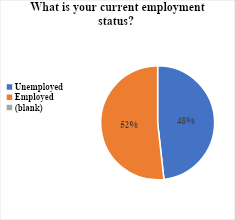
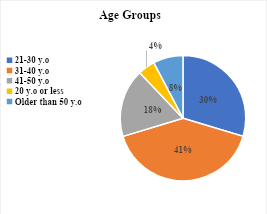


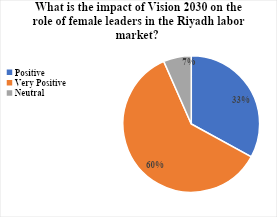
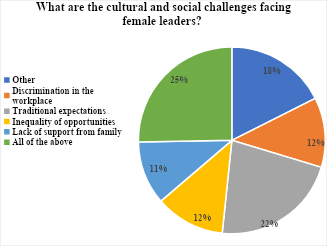
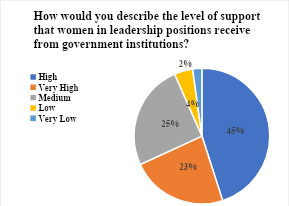

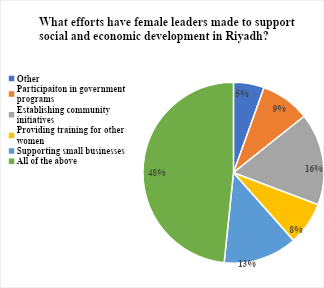


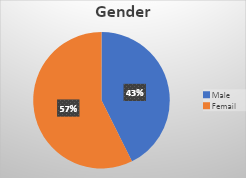


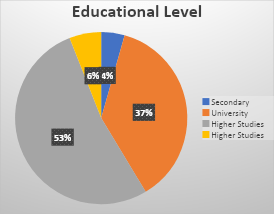

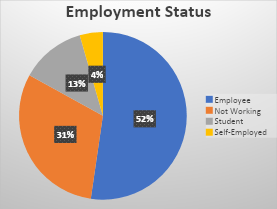
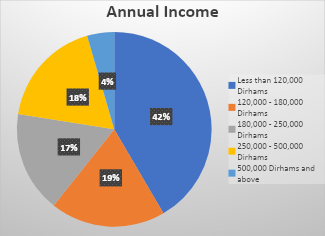


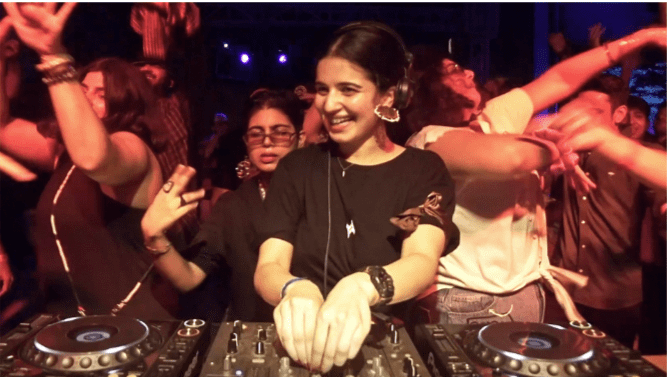
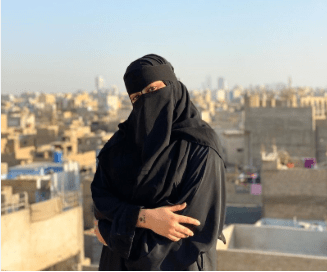


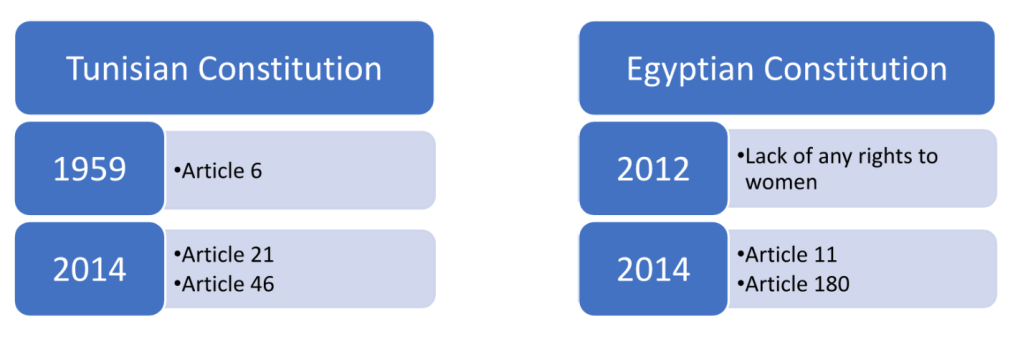


 INSpire